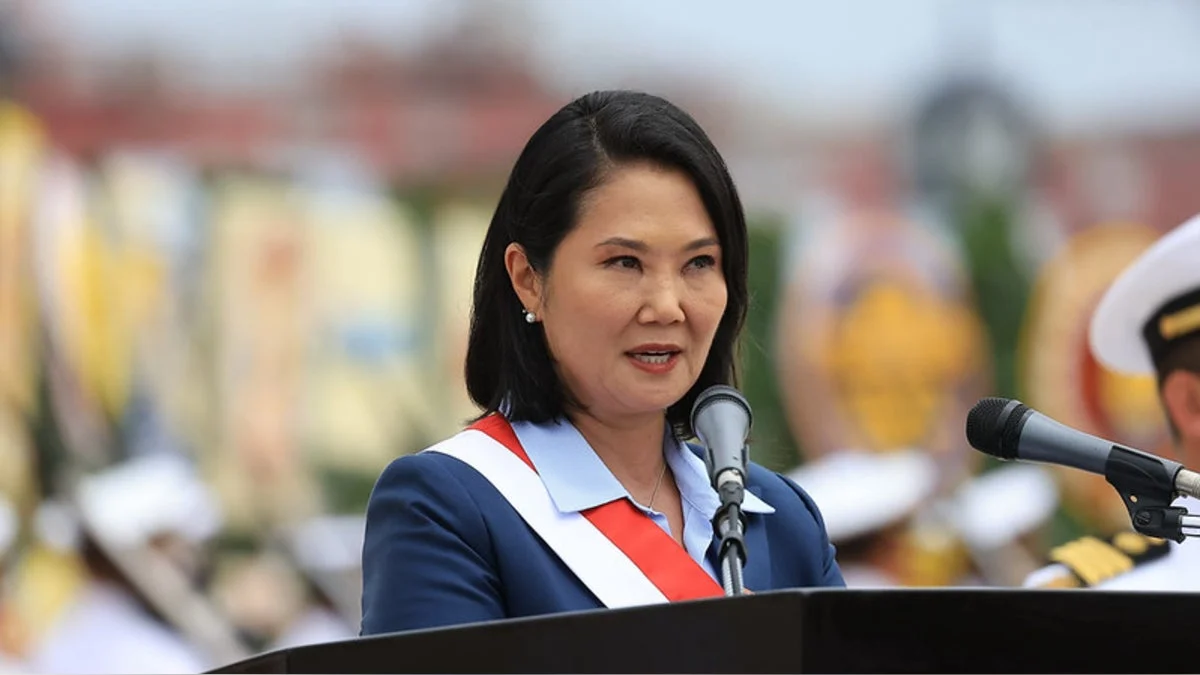
The Peruvian legislative branch has officially cleared the path for President Keiko Fujimori to engage in a series of critical diplomatic missions abroad. Through the formal publication of Legislative Resolution No. 32742 in the official government gazette, El Peruano, the Senate has granted the executive the necessary authorizations for the president to travel to El Salvador and Spain between late October and early November. This series of international engagements marks a significant moment in the administration’s foreign policy, focusing on security cooperation, regional governance, and economic integration.
The resolution, which bears the signatures of the President of the Senate, Miguel Torres; the President of the Republic, Keiko Fujimori; and the President of the Council of Ministers, Luis Galarreta, underscores a unified approach between the legislative and executive branches. The authorization covers two distinct phases of international activity, each with strategic objectives designed to bolster the administration’s domestic and international standing.
Chronology of the Presidential Itinerary
The presidential schedule is divided into two major segments, separated by a brief return to the national territory.
Phase I: The Security Model of El Salvador (October 28–31)
The first leg of the mission is slated for October 28 to 31. The President will travel to San Salvador and the municipality of Tecoluca. This segment is highly anticipated due to its focus on public security and state policy. Key activities include:
- October 29: A private, high-level summit with President Nayib Bukele. This meeting is expected to center on the shared challenges of organized crime and the potential for bilateral security cooperation.
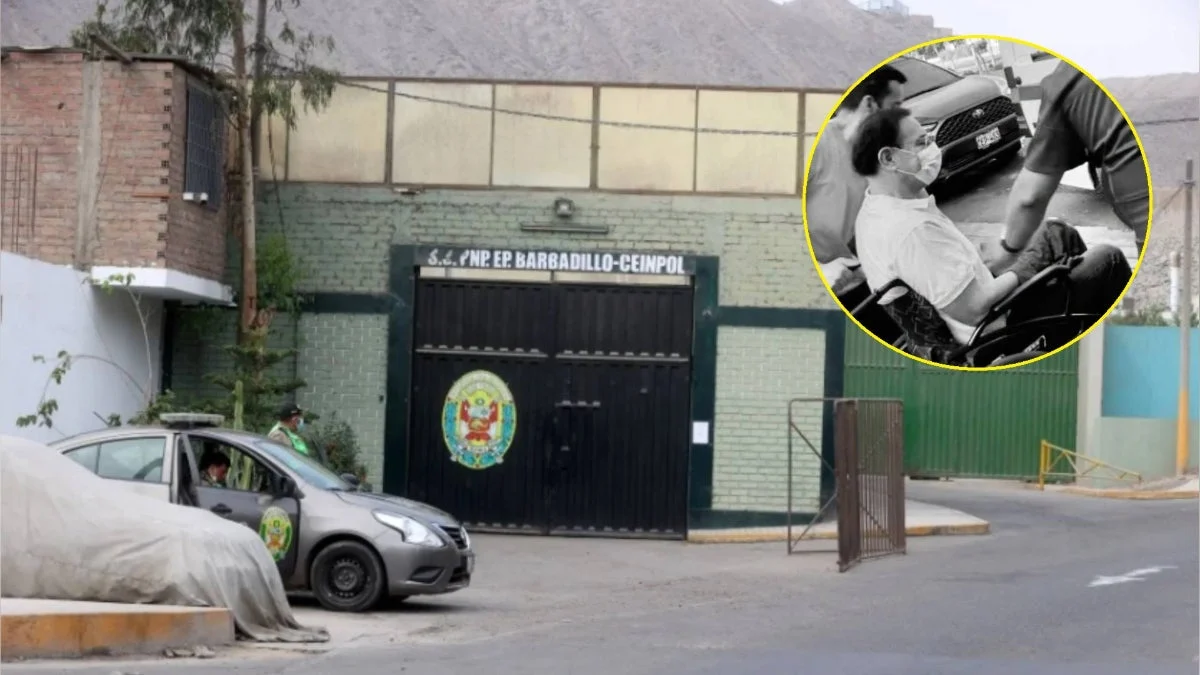
- The CECOT Visit: Perhaps the most scrutinized element of the trip is the scheduled visit to the Centro de Confinamiento del Terrorismo (CECOT). As the hallmark of the Bukele administration’s “Mano Dura” (Iron Fist) policy, this mega-prison has become a global focal point in the debate over human rights, state security, and the efficacy of mass incarceration.
- Infrastructure and Social Policy: Beyond security, the President will conduct a site visit to the Hospital Rosales and an “emblematic school,” signaling an interest in evaluating El Salvador’s public infrastructure improvements and social service delivery.
- Ministerial Working Groups: The delegation will hold technical meetings with El Salvador’s ministers of Justice and Public Security, Education, Science and Technology, and Health to facilitate the exchange of governance models.
Phase II: The XXX Ibero-American Summit in Madrid (November 2–6)
Following her return, President Fujimori will depart for Madrid, Spain, to participate in the XXX Ibero-American Summit of Heads of State and Government. This diplomatic forum is a premier venue for addressing collective challenges facing the Ibero-American community.
- Plenary Sessions: The President will deliver a formal address during the summit’s plenary session, where she is expected to outline Peru’s vision for regional cooperation and economic development.
- Bilateral Engagements: The schedule includes a series of private meetings with other global leaders to discuss trade, investment, and diplomatic alignment.
- The Business Forum: Participation in the Encuentro Empresarial (Business Meeting) will serve as an opportunity to court foreign direct investment and strengthen commercial ties between Peru and the European business community.
Supporting Data: Understanding the Strategic Context
The decision to visit El Salvador is not merely symbolic; it represents an alignment with a specific security paradigm that has resonated throughout Latin America. The CECOT facility, which can house tens of thousands of inmates, serves as the centerpiece of El Salvador’s strategy to dismantle gang structures. For the Fujimori administration, observing this facility in person provides a firsthand look at a model that has significantly reduced homicide rates in the Central American nation.
Conversely, the Ibero-American Summit in Madrid represents a pivot toward traditional diplomacy and soft power. By participating in the summit, the President reinforces Peru’s commitment to multilateralism. The inclusion of the Business Forum suggests that the administration is prioritizing economic recovery and stability as core components of its international agenda.
Official Responses and Parliamentary Consensus
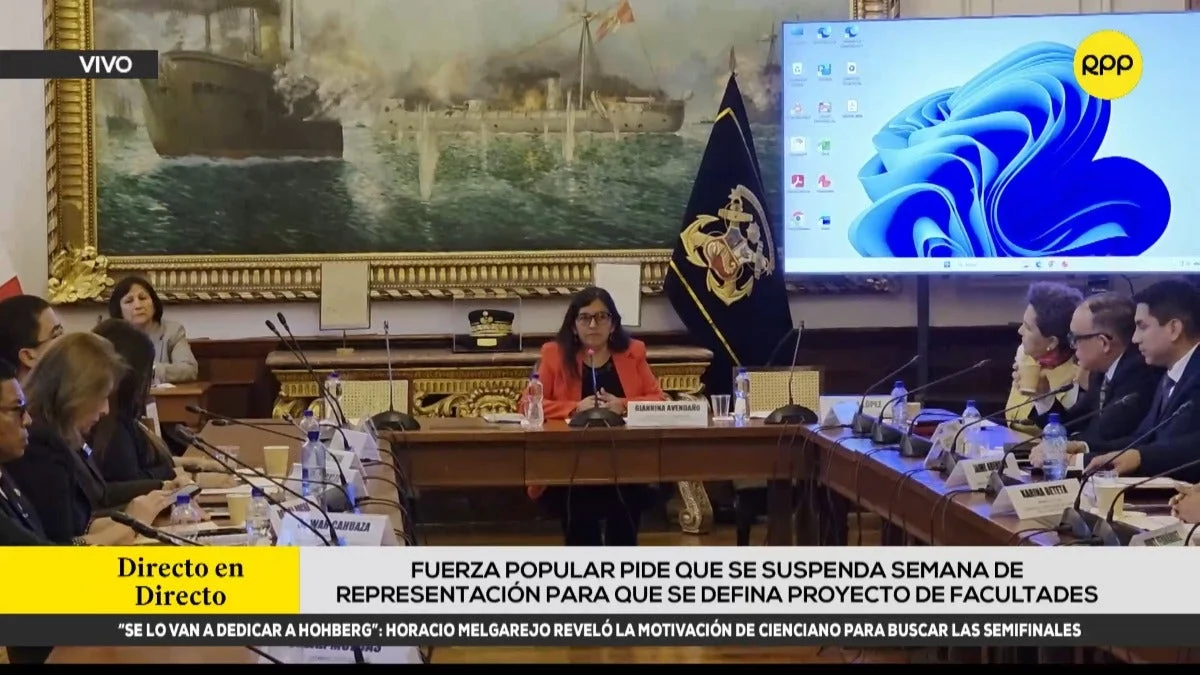
The approval process for this travel authorization was characterized by a push for consensus within the Senate. Following recent legislative debates, deputies Krklec and Espinoza noted that the authorization of these faculties was a sign of “the defeat of the extremes,” suggesting that the legislative body is prioritizing the functionality of the state over partisan gridlock.
Miguel Torres, President of the Senate, had previously addressed the limitations and expectations surrounding the executive’s requests. He emphasized that while the Senate must exercise its oversight functions, it is essential to provide the executive with the tools necessary to conduct foreign policy effectively.
On the other hand, Luis Galarreta, the President of the Council of Ministers, has been instrumental in coordinating the logistics of the trip. During the President’s absence, Galarreta—who also serves as the First Vice President of the Republic—is constitutionally mandated to assume the duties of the presidential office. This ensures the continuity of the executive branch and compliance with the constitutional order, preventing any vacuum in governance during the President’s tenure abroad.
Implications for the Fujimori Administration
The implications of these diplomatic missions are manifold:
1. Domestic Security Policy
By visiting the CECOT, the President is likely testing the political waters regarding the adoption of more aggressive security measures within Peru. If the visit is perceived as a successful diplomatic endeavor, it may provide the administration with the political capital to propose significant reforms to the Peruvian penitentiary system and public safety laws.
2. Strengthening International Ties
The summit in Madrid is a vital opportunity for Peru to reposition itself within the international community. In an era of global economic uncertainty, securing bilateral support and fostering dialogue with European partners is essential for trade stability. The focus on the Business Forum indicates that the President is seeking to signal that Peru is “open for business,” despite any domestic political tensions.
3. The Test of Institutional Stability
The transition of power to Vice President Luis Galarreta during the trip serves as a stress test for the current administration’s internal stability. Given the recent history of political friction in the country, the seamless handover of responsibilities is a message to both the Peruvian public and the international community that the government remains stable, functional, and committed to democratic processes.
4. Public Perception and Political Messaging
The President’s agenda is heavily curated to contrast a “hands-on” approach to security (El Salvador) with a “statesman-like” approach to global governance (Spain). This duality is intended to appeal to a broad base of voters—those who demand a stronger hand in domestic security and those who desire a leader capable of representing the nation effectively on the world stage.
Conclusion
As President Keiko Fujimori prepares for her upcoming international itinerary, the focus remains on the tangible outcomes of these visits. The legislative support provided by the Senate reflects a rare moment of cooperation, providing the executive with a clear mandate to pursue its foreign policy goals. Whether the insights gained from the CECOT in El Salvador will translate into actionable policy in Peru remains to be seen, but the visit signals a clear intent to engage with the most debated security models in the region. Simultaneously, the participation in the Madrid summit ensures that Peru remains an active participant in the broader Ibero-American political discourse.
With the First Vice President poised to manage the domestic agenda, the government aims to demonstrate that it can balance the complexities of international diplomacy with the demands of effective governance at home. The success of these missions will ultimately be measured by the administration’s ability to turn these diplomatic gestures into concrete economic and security benefits for the Peruvian citizenry.