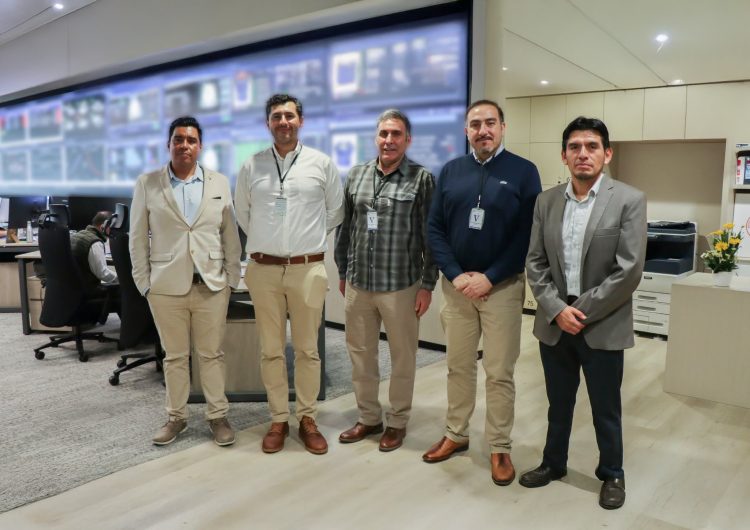
In a landmark display of industry collaboration, Minera Chinalco Perú recently hosted a high-level technical delegation from Minera Los Pelambres—a flagship operation of Chile’s Antofagasta Minerals. This exchange, centered on the complex engineering feat of replacing massive grinding mills, underscores a growing trend in the global mining sector: the shift from siloed operations to a knowledge-sharing ecosystem designed to overcome unprecedented technical hurdles.
The visit focused on the intricate processes surrounding the replacement of ball mills at Chinalco’s Toromocho mine, a project widely recognized for its technical complexity and the absence of established global precedents for such an undertaking.
The Core Objective: Knowledge Transfer in High-Stakes Engineering
The primary motivation behind the visit was to provide the team from Los Pelambres with an inside look at the methodology, logistics, and safety protocols implemented during the overhaul of the grinding circuit at the Toromocho operation in Junín, Peru.
As mining operations worldwide face increasingly lower ore grades and the necessity for higher throughput, the mechanical integrity of grinding circuits has become the heartbeat of production. Replacing a ball mill is not merely a maintenance task; it is a surgical operation on a massive scale that requires precise synchronization of heavy machinery, specialized labor, and operational continuity.
By opening its doors, Chinalco allowed the Chilean delegation to examine the "lessons learned" from the completed MB1 mill replacement and the ongoing execution of the MB2 project. This transparency is intended to accelerate the learning curve for other major mining operations that may face similar equipment lifecycles or modernization requirements in the coming years.
Chronology of a Complex Industrial Transformation
To understand the significance of this exchange, one must analyze the timeline of Chinalco’s recent operational evolution at Toromocho.
Phase 1: The MB1 Milestone
The project began with the strategic decision to replace the MB1 ball mill. This was not a routine upgrade but a complex project executed under rigorous operational constraints. The success of this phase served as a proof-of-concept for the team, demonstrating that it was possible to execute a major component replacement without halting the broader productive capacity of the plant—a feat rarely achieved in projects of this magnitude.
Phase 2: The Knowledge Exchange
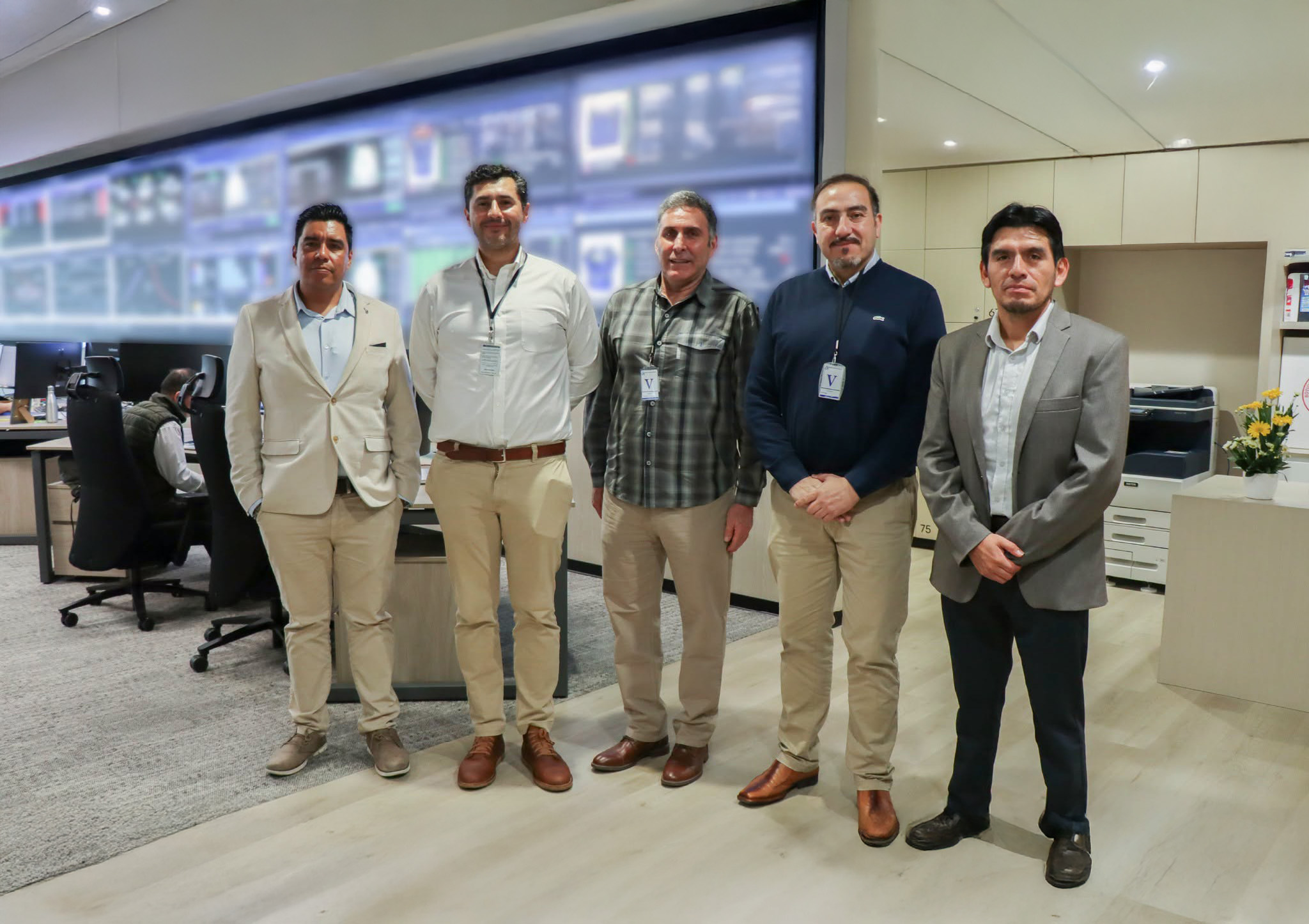
Following the successful integration of the MB1, Chinalco welcomed the delegation from Los Pelambres. During this period, the visitors conducted a comprehensive walkthrough of the plant facilities. The itinerary included a detailed technical briefing on the challenges faced during the MB1 installation, the management of heavy-lift logistics, and the integration of new automated monitoring systems.
Phase 3: The MB2 Execution
As of September 1, 2026, Chinalco shifted its focus to the MB2 ball mill. The lessons distilled from the MB1 project are currently being applied in real-time. This phase is characterized by even greater precision, as the team leverages the data-driven insights gathered during the initial phase to optimize the installation process, reduce downtime, and enhance safety standards.
The Role of the GIO Center: Technological Management
A highlight of the visit was the tour of the Centro GIO (Global Integrated Operations). This center acts as the "brain" of the Toromocho operation. It is here that Chinalco integrates real-time data from across the mine, utilizing advanced analytics and technological solutions to manage everything from ore extraction to final processing.
For the delegation from Los Pelambres, the GIO Center provided a blueprint for how digital transformation can be applied to mechanical maintenance. By showcasing how predictive maintenance software interacts with physical hardware, Chinalco demonstrated that the physical replacement of a mill is only as effective as the data-driven systems that monitor it thereafter.
Expert Perspectives and Industry Implications
Cristian Henríquez, Manager of Maintenance Projects at Los Pelambres, highlighted the strategic importance of this cross-border collaboration.
"Conceiving, planning, and executing a mill replacement of this scale is a challenge that tests the limits of any engineering team," Henríquez noted. "By accessing the first-hand experience and the specific practical lessons learned by the Chinalco team, we are receiving information of immense value. This helps us strengthen our own internal initiatives, refine our decision-making processes, and incorporate best practices that add genuine value to the global mining industry."
This statement reflects a broader cultural shift in mining. Historically, technical procedures were often guarded as proprietary competitive advantages. Today, the complexity of modern mining—combined with the urgent need for sustainability and safety—has forced companies to realize that sharing knowledge is more profitable in the long run than keeping it behind closed doors.
Supporting Data: Why This Matters
The Toromocho mine represents one of the most critical copper assets in the Andes. Operating at high altitude in the Junín region of Peru, the site presents logistical and environmental challenges that are among the most severe in the world.
- Operational Continuity: The primary metric of success for the mill replacements is the ability to maintain production targets despite the physical removal and installation of massive steel structures.
- Global Benchmarking: The project is notable because there are virtually no "off-the-shelf" precedents for replacing mills of this specific size and configuration under these specific atmospheric conditions.
- Sustainability: Every hour of saved downtime directly translates into reduced energy consumption and lower carbon emissions per ton of processed ore, as the plant operates more efficiently with the upgraded equipment.
Implications for the Future of Mining
The partnership between Chinalco and Antofagasta Minerals sends a clear signal to the rest of the industry: the future of mining is collaborative.
1. Enhanced Safety Protocols
One of the most critical aspects of the knowledge exchange was safety. Replacing a ball mill involves high-risk maneuvers with multi-ton equipment. By sharing the safety protocols that allowed Chinalco to execute these projects without significant incidents, both companies are helping to set a "gold standard" for safety in heavy industrial maintenance.
2. Standardization of Maintenance Excellence
The success of this exchange could lead to more formal partnerships between mining giants. If companies begin to standardize their approach to major equipment overhauls, it creates a more reliable supply chain, as contractors and equipment manufacturers can better prepare for projects that are executed with consistent methodology across different regions.
3. Strengthening Regional Competitiveness
By sharing these insights, Peru and Chile—the world’s two largest copper producers—are effectively strengthening their collective competitiveness. As the global demand for copper surges due to the energy transition and the rise of electric vehicles, the ability to keep production lines running at peak efficiency is of vital importance to the global economy.
Conclusion: A Collaborative Vision
The interaction between Chinalco Perú and Minera Los Pelambres serves as a blueprint for the modern mining enterprise. It is an industry where technical complexity can no longer be solved in isolation.
As Chinalco continues its work on the MB2 mill, the insights gathered from their Chilean counterparts—and the lessons shared in return—will ripple across their respective operations. The final note from the Chinalco official statement captures the essence of this initiative: "These experiences allow us to learn together, strengthen our initiatives, and continue to drive a global mining industry that is safer, more efficient, and more sustainable."
In an era defined by rapid technological change and environmental scrutiny, the willingness of these two mining leaders to share the burdens and triumphs of industrial engineering is a testament to the maturity of the sector. Through this collaboration, they are not just replacing a mill; they are building a bridge for the future of responsible mining.