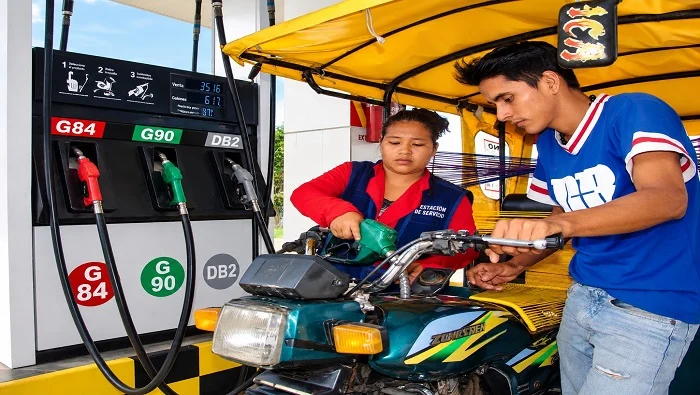
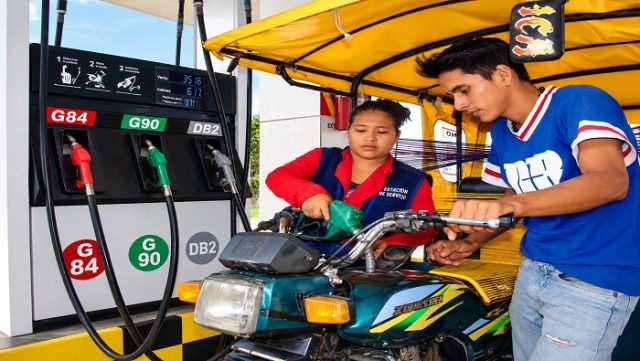
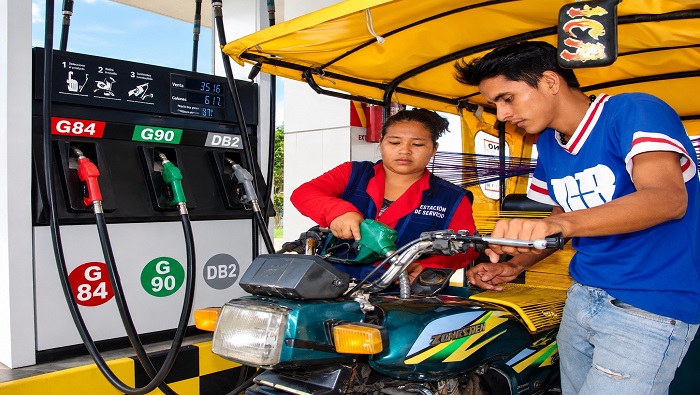
Lima, Peru – October 15, 2026 – The Peruvian Ministry of Energy and Mines (MINEM) has announced a significant extension of a temporary measure, allowing the continued use and commercialization of 84-octane gasoline in the Amazonian department of Loreto until October 31, 2026. This decision, formalized by Ministerial Resolution No. 417-2026-MINEM/DM, aims to ensure the uninterrupted supply of fuels crucial for the region’s population and economic activities, acknowledging the unique logistical and production realities of this remote area.
This extension underscores the Peruvian government’s commitment to maintaining stability in Loreto’s energy sector, a region heavily reliant on its river systems for transportation and commerce. The MINEM’s directive recognizes that an immediate transition away from 84-octane gasoline to a higher octane alternative would present substantial challenges, potentially disrupting the delicate balance of supply and demand in a geographically complex territory. The ministry’s strategy emphasizes a phased and orderly transition, prioritizing the well-being of Loreto’s residents and the vitality of its diverse economic sectors.
Main Facts: A Vital Extension for Loreto
The core of this announcement lies in the MINEM’s decision to prolong the availability of 84-octane gasoline in Loreto. This measure, originally established by Ministerial Resolution No. 255-2026-MINEM/DM, is a critical intervention designed to mitigate potential disruptions to the region’s fuel supply chain. The extension, now in effect until the end of October 2026, provides a crucial window for stakeholders to adapt to evolving market conditions and infrastructure developments without immediate shock.
The rationale behind this decision is multifaceted, directly addressing the specific circumstances of Loreto. The region’s unique geographical characteristics, including its extensive river networks and the absence of extensive road infrastructure, necessitate a tailored approach to fuel distribution. The MINEM’s proactive stance aims to prevent shortages and price volatility that could arise from an abrupt policy shift, thereby safeguarding the economic stability and daily lives of Loreto’s inhabitants.
Chronology: A Measured Approach to Fuel Policy
The journey towards this extended measure can be traced through a series of strategic decisions and evaluations by the MINEM. The initial establishment of the temporary measure by Ministerial Resolution No. 255-2026-MINEM/DM signaled the ministry’s awareness of Loreto’s specific fuel market dynamics. This resolution provided a foundational framework for managing the region’s gasoline supply, acknowledging the existing infrastructure and logistical limitations.
The subsequent evaluation by the MINEM, which informed the current extension, has been crucial. This assessment likely involved detailed analyses of production capacities, consumption patterns, and the logistical challenges inherent in supplying a region like Loreto. The findings from this evaluation directly contributed to the formulation of Ministerial Resolution No. 417-2026-MINEM/DM, which supersedes and extends the previous directive. This iterative process of assessment and policy adjustment highlights the MINEM’s commitment to a data-driven and responsive approach to energy policy.
The decision to extend the measure until October 31, 2026, is not arbitrary. It suggests that the ministry has identified a timeframe within which specific improvements or adjustments are expected to be made, either by local refineries, distribution networks, or in response to broader economic or environmental factors influencing fuel availability. This extended period allows for a more sustainable and less disruptive transition towards any future fuel standards or market realignments.
Supporting Data: Understanding Loreto’s Fuel Consumption and Production
To fully grasp the significance of the MINEM’s decision, it is essential to examine the quantitative data underpinning Loreto’s gasoline market. The region currently exhibits a daily demand of 1.96 million barrels per day (MBPD) for 84-octane gasoline. Complementing this, the demand for regular gasoline stands at 0.60 MBPD. This disparity in demand highlights the current preference and reliance on the lower-octane fuel within Loreto.
The production landscape further clarifies the situation. According to the MINEM’s assessment, the Refinería Iquitos, the primary local refining facility, produces these two types of gasoline in a ratio of approximately 77% 84-octane gasoline to 23% regular gasoline. This production mix is a direct reflection of the existing market demand and the refinery’s operational capabilities. A sudden shift in demand towards regular gasoline would require a significant recalibration of the refinery’s output, a process that cannot be instantaneously achieved.
The implications of such a shift are significant. An immediate transition to regular gasoline would inevitably lead to an increased demand for this specific product. The current production capacity of Refinería Iquitos, as indicated by its output ratio, may not be sufficient to meet this amplified demand without substantial investment and operational adjustments. This could create a supply deficit, leading to potential shortages and price increases for consumers.
Furthermore, the logistics of fuel distribution in Loreto are predominantly reliant on fluvial transport. An increase in the volume of regular gasoline required would necessitate transporting larger quantities of this fuel via the region’s intricate network of rivers. This poses considerable logistical challenges, particularly given the current environmental conditions.
The Logistical Quandary: River Levels and Transportation Constraints
The prevailing geographical and climatological conditions in Loreto present a formidable challenge to fuel transportation. The Amazon basin’s river systems, the lifeblood of the region’s connectivity, are currently experiencing a significant low-water period, often referred to as "vaciante." This natural phenomenon, driven by climatic factors, severely restricts the navigability of rivers, impacting the capacity and efficiency of barge and boat traffic that are essential for fuel delivery.
This reduced navigability exacerbates the inherent logistical complexities of operating in the Amazon. Fuel needs to be transported from the refinery or import terminals to numerous remote communities, often accessible only by water. When river levels are low, smaller vessels may be unable to navigate certain channels, and larger vessels may be restricted in their cargo capacity due to draft limitations. This can lead to delays, increased transportation costs, and a higher risk of supply disruptions.
The MINEM’s evaluation has taken these critical logistical constraints into account. The current production structure, where 84-octane gasoline is produced in greater quantities, aligns with the historical demand and the logistical feasibility of its distribution. The prospect of moving larger volumes of regular gasoline, which is currently produced in smaller proportions, across these challenging river systems during a period of low water is deemed unviable for an immediate transition.
Therefore, the decision to extend the use of 84-octane gasoline is a pragmatic response to these environmental and logistical realities. It acknowledges that any transition must be carefully planned to account for the seasonal fluctuations in river levels and the limitations they impose on transportation.
Official Responses: Ensuring Stability and a Gradual Transition
The Ministry of Energy and Mines has articulated its position clearly, emphasizing its commitment to the welfare of Loreto’s population and the stability of its energy sector. The extension of the 84-octane gasoline measure is framed as a strategic move to foster predictability and facilitate a progressive, well-managed transition.
"The MINEM seeks to contribute to the well-being of the population and provide greater stability to the fuel supply," stated a representative from the ministry. "This is particularly important when considering the current production, infrastructure, and logistics conditions inherent to the Amazonian region." This statement underscores the ministry’s understanding of the unique challenges faced by Loreto and its dedication to finding practical solutions.
The ministerial resolution highlights that the decision was made "in the framework of the sector’s competencies." This indicates that the MINEM is acting within its mandate to regulate and oversee the energy sector, ensuring that policies are aligned with national energy security objectives while also being sensitive to regional specificities.
The ministry also affirmed its ongoing commitment to continuous monitoring and evaluation. "The MINEM will continue to monitor supply conditions and evaluate necessary measures to contribute to the continuity of fuel supply and strengthen Loreto’s energy security," the statement concluded. This forward-looking approach suggests that the current extension is not an end in itself but rather a step in a longer-term strategy to enhance Loreto’s energy resilience.
The MINEM’s approach is characterized by a recognition that immediate, sweeping changes in a complex region like Loreto can have unintended negative consequences. By opting for an extended temporary measure, the ministry is providing a crucial buffer, allowing for:
- Increased Production Capacity: Local refineries can potentially invest in and adjust their operations to increase the production of regular gasoline over time.
- Logistical Adaptations: Stakeholders can explore and implement more efficient or alternative transportation methods for higher-octane fuels, potentially including investments in specialized barges or improved river navigation technologies.
- Market Adaptation: Consumers and businesses can gradually adjust to any potential price differentials or availability changes associated with a transition.
- Environmental Considerations: The extension allows for a more mindful approach to the environmental impact of fuel transportation, especially during periods of low river levels.
This phased approach is vital for ensuring that any future transition to different fuel standards is not only technically feasible but also economically and socially sustainable for the people of Loreto.
Implications: Towards a Sustainable Energy Future for Loreto
The MINEM’s decision to extend the use of 84-octane gasoline in Loreto carries significant implications for the region’s economic development, environmental sustainability, and the daily lives of its residents. While the measure provides immediate relief and stability, it also sets the stage for a more deliberate and strategic approach to the region’s energy future.
Economic Stability: The continued availability of 84-octane gasoline is crucial for maintaining the operational costs of various economic sectors in Loreto. Transportation, agriculture, fishing, and small businesses all rely on affordable and accessible fuel. Disruptions to this supply could lead to increased operating expenses, potentially impacting employment and economic growth. The extension allows these sectors to continue their operations without immediate concern, fostering a more predictable business environment.
Energy Security: By prioritizing continuity of supply, the MINEM is reinforcing Loreto’s energy security. This involves ensuring that the region has access to the fuels it needs to function, especially given its geographical isolation. The extension demonstrates a commitment to addressing the specific energy needs of Loreto, rather than imposing a one-size-fits-all national policy.
Environmental Considerations and Sustainable Transition: While the extension addresses immediate supply concerns, it also implicitly highlights the need for a long-term strategy that considers environmental sustainability. The reliance on fluvial transport, coupled with the challenges posed by fluctuating river levels, necessitates innovative solutions. Future efforts will likely focus on developing more fuel-efficient transportation methods, exploring cleaner energy alternatives where feasible, and potentially investing in infrastructure that can mitigate the impact of environmental changes on fuel distribution. The ministry’s commitment to monitoring and evaluating future measures suggests an openness to incorporating environmental best practices into its energy policy for the region.
Future Policy Development: This extension provides a valuable opportunity for the MINEM, Refinería Iquitos, and other stakeholders to collaborate on developing a comprehensive, long-term strategy for Loreto’s fuel market. This strategy should encompass:
- Infrastructure Investment: Targeted investments in improving the capacity and resilience of Refinería Iquitos to produce a more diverse range of fuels.
- Logistical Innovation: Exploring and implementing advanced logistical solutions for fuel distribution, potentially including the use of more adaptable vessels or the development of strategically located storage facilities.
- Technological Advancement: Researching and adopting new technologies that can enhance fuel efficiency and reduce the environmental footprint of energy consumption in the region.
- Market Diversification: Encouraging the development of alternative energy sources and technologies that can gradually reduce reliance on fossil fuels.
In conclusion, the Ministry of Energy and Mines’ decision to extend the use of 84-octane gasoline in Loreto is a pragmatic and necessary step that acknowledges the region’s unique challenges. It underscores a commitment to stability, security, and a well-managed transition towards a more sustainable energy future for this vital Amazonian department. The coming months will be critical in observing how stakeholders leverage this extended period to implement necessary adjustments and build a more robust and resilient energy landscape for Loreto.