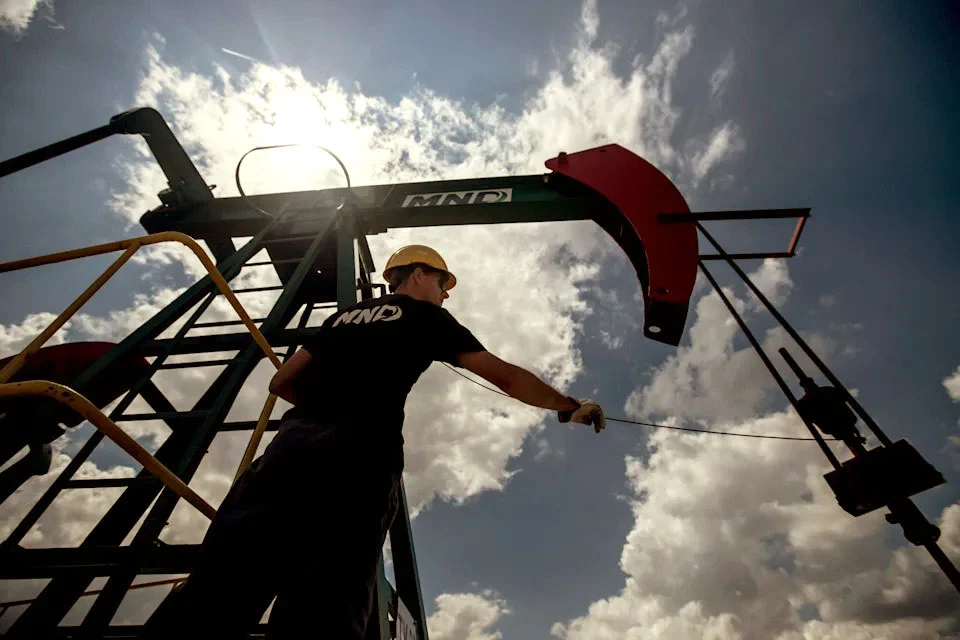
London, UK – [Date of Publication] – Global oil markets experienced a significant upswing today, with Brent crude futures for November delivery climbing by 2.2% to surpass the $108 per barrel mark on the London market. This surge underscores the persistent anxieties surrounding escalating tensions in the Middle East, a region critical to global energy supply. The benchmark European crude, Brent, was trading at $108.05 per barrel at 18:00 London time (16:00 GMT), marking a substantial 2.24% increase. This follows a preceding session where Brent closed with gains exceeding 1%, settling above $105 per barrel, though not without briefly touching near $110 earlier.
The upward trajectory of Brent crude reached its zenith for the day just over an hour prior to the latest reporting, hitting a high of $108.76 per barrel. This represented a notable 2.91% jump from the previous day’s closing price of $105.68. Conversely, the market saw a brief dip to $105.10 per barrel shortly before the opening of Wall Street, indicating a 0.55% decline from the day’s opening. Meanwhile, the West Texas Intermediate (WTI), the primary U.S. crude benchmark, mirrored the upward trend, trading at $104.98 per barrel with a robust 3.54% increase. In stark contrast, natural gas prices in the European market, specifically on the Dutch hub, saw a decline, with a megawatt-hour priced at €79.49, down 3.73%.
This palpable increase in crude oil prices is directly attributable to a series of concerning developments in the Middle East. Reports of fresh attacks in the strategic Strait of Hormuz have sent ripples of unease through global energy markets. Adding to the volatility, Saudi Arabia has been compelled to close its crucial Yanbu pipeline (also known as the East-West pipeline) following multiple attacks. These incidents highlight the precarious security situation in a region that plays an indispensable role in the global oil trade. Further exacerbating the uncertainty, a planned meeting between Iran and Gulf nations in Oman, aimed at establishing secure transit zones within the Strait of Hormuz, was postponed. This delay casts a shadow over diplomatic efforts to de-escalate tensions and ensure the unimpeded flow of oil.
The Shifting Sands of Global Energy: A Chronological Overview of Market Movements
The narrative of oil price fluctuations throughout the trading day on Tuesday paints a vivid picture of market sensitivity to geopolitical events. The day began with a cautious optimism, but this was quickly overshadowed by escalating concerns originating from the Middle East.
Early Trading and Initial Volatility:
As the European trading session commenced, Brent crude futures were already showing signs of upward momentum. Initial reports of heightened tensions, though perhaps not yet fully detailed, began to influence market sentiment. By mid-morning, the price had already begun to climb steadily, reflecting an increased risk premium being factored into the commodity.
Mid-Session Peaks and Troughs:
The market experienced significant intraday volatility. As more concrete information regarding attacks and pipeline closures emerged, Brent crude surged to its daily high of $108.76 per barrel. This peak represented a significant jump from the previous day’s close and underscored the market’s immediate reaction to perceived supply disruptions. However, the market is a dynamic entity, and the price then experienced a brief correction, dipping to $105.10 per barrel just before the opening of the New York Stock Exchange. This pullback could be attributed to a combination of profit-taking and a momentary reassessment of immediate supply risks by some traders.
Late Session Rally and Closing Trends:
Despite the brief dip, the underlying geopolitical concerns continued to exert pressure on oil prices. In the later hours of trading, Brent crude rallied once again, solidifying its gains and ultimately closing above the crucial $108 threshold. The West Texas Intermediate (WTI) followed a similar, albeit stronger, upward trajectory, reflecting a broader market sentiment driven by the Middle East situation. The contrast with the natural gas market, which saw a decline, highlights the specific drivers affecting different energy commodities.
The Shadow of Geopolitics:
The postponement of the Iran-Gulf nations meeting in Oman added another layer of uncertainty to the market. This diplomatic setback, intended to foster dialogue and potentially de-escalate regional friction, signals that the path to stability in the Strait of Hormuz remains fraught with challenges. The market, ever forward-looking, has interpreted this postponement as a potential indicator of prolonged instability, further bolstering oil prices.
Supporting Data: Charting the Course of Oil and Gas Prices
To fully comprehend the market’s reaction, examining the price movements of key energy benchmarks provides crucial context. The data illustrates a clear divergence in performance between crude oil and natural gas, driven by distinct geopolitical and supply-side factors.
Brent Crude Futures (November Delivery):
- Closing Price (Previous Day): Approximately $105.68 per barrel
- Intraday High: $108.76 per barrel (a 2.91% increase from previous close)
- Intraday Low: $105.10 per barrel (a 0.55% decrease from previous close)
- Current Trading Price (18:00 London Time): $108.05 per barrel (a 2.24% increase)
This data clearly demonstrates the upward pressure on Brent crude throughout the day, with significant gains recorded. The volatility is evident in the range between the intraday high and low, indicating a market actively reacting to incoming news.
West Texas Intermediate (WTI) Futures:
- Current Trading Price: $104.98 per barrel
- Percentage Change: +3.54%
WTI’s stronger percentage gain suggests that the market’s concerns are not confined to European benchmarks, but are impacting global crude oil pricing broadly. This could indicate that the supply disruptions are perceived to have a wider impact on global oil availability.
Natural Gas (Dutch TTF Hub):
- Current Trading Price: €79.49 per megawatt-hour
- Percentage Change: -3.73%
The decline in natural gas prices presents an interesting counterpoint. While geopolitical tensions in the Middle East are a primary driver for oil, the natural gas market, particularly in Europe, is influenced by a complex interplay of factors including storage levels, weather patterns, and the ongoing geopolitical landscape concerning Russia. The current decline might indicate a temporary easing of specific supply-side pressures in the natural gas market, or a shift in trader focus.
The Strait of Hormuz: A Critical Chokepoint:
The Strait of Hormuz is an approximately 167-mile-long, 21-mile-wide strategic waterway that connects the Persian Gulf to the Gulf of Oman and the open sea. It is one of the world’s most important oil transit points, with a significant portion of global oil production passing through its narrow confines. Any disruption in this strait has immediate and far-reaching consequences for global energy supplies and prices. The reported attacks in this region directly threaten this vital artery of global commerce.
Saudi Arabia’s Yanbu Pipeline:
The Yanbu pipeline, also known as the Petroline or East-West pipeline, is a critical piece of infrastructure for Saudi Arabia. It transports crude oil from the kingdom’s oil fields in the Persian Gulf to the Red Sea port of Yanbu, where it can be shipped to global markets, particularly to Europe and North America via the Suez Canal. The closure of this pipeline due to attacks represents a direct reduction in the volume of oil that can be readily exported, adding to the supply concerns.
Official Responses and Diplomatic Maneuvers
In the face of escalating tensions and their immediate impact on global energy markets, official responses have been cautious yet watchful. The postponement of the Iran-Gulf nations meeting in Oman underscores the complexities of regional diplomacy and the challenges in finding common ground.
The Postponed Omani Meeting:
The planned summit in Oman was intended to be a crucial step towards de-escalating tensions in the Strait of Hormuz. The agenda, focused on establishing "secure transit zones," indicated a recognition of the shared interest in maintaining maritime security and ensuring the unimpeded flow of oil. The postponement, attributed to unspecified reasons, casts a pall over immediate diplomatic progress. While the exact motivations for the delay remain unclear, it suggests that either logistical challenges or a lack of sufficient consensus has hindered the timely execution of the meeting. This setback is likely to prolong the period of uncertainty and contribute to the ongoing elevated risk premium in oil prices.
Regional Reactions and Statements:
While specific detailed statements from all involved parties are still emerging, the general sentiment from regional actors and international observers points towards a heightened awareness of the risks. Countries that are heavily reliant on oil imports are likely to be closely monitoring the situation and may be engaging in diplomatic efforts behind the scenes to encourage de-escalation. The silence from some quarters might be a strategic move, reflecting the delicate nature of the ongoing diplomatic engagements.
International Energy Agency (IEA) Monitoring:
The International Energy Agency (IEA) is undoubtedly tracking these developments with extreme vigilance. The IEA plays a crucial role in monitoring global energy markets and advising member countries on energy security. While direct intervention from the IEA is typically reserved for severe and prolonged supply disruptions, their continuous assessment of the situation is vital for understanding the potential scale of the impact and for informing policy responses.
Broader Implications: Beyond the Price of a Barrel
The current surge in oil prices, fueled by geopolitical instability in the Middle East, carries significant implications that extend far beyond the immediate financial gains or losses for oil producers and consumers. These implications touch upon global economic growth, inflation, and the ongoing energy transition.
Inflationary Pressures and Economic Growth:
Higher oil prices act as a direct tax on consumers and businesses. Increased fuel costs translate into higher transportation expenses for goods and services, leading to broader inflationary pressures. For countries heavily reliant on imported oil, this can exacerbate existing economic challenges, potentially slowing down growth and impacting consumer spending. Central banks globally are already grappling with inflation, and a sustained period of elevated oil prices will only complicate their efforts to manage price stability.
The Energy Transition and Geopolitics:
The current events serve as a stark reminder of the world’s continued dependence on fossil fuels, particularly oil. While the global push towards renewable energy sources is gaining momentum, the immediate need for stable and affordable energy supplies remains paramount. Geopolitical disruptions in oil-producing regions can, paradoxically, create a renewed focus on energy security and potentially influence the pace and nature of the energy transition. Some nations might accelerate their investments in domestic renewable energy sources to reduce their reliance on volatile global oil markets, while others might continue to prioritize fossil fuel security in the short to medium term.
Regional Stability and International Relations:
The heightened tensions in the Middle East have broader implications for regional stability and international relations. The Strait of Hormuz is not just a critical oil chokepoint; it is also a region with complex geopolitical dynamics. Any escalation of conflict in this area could have wider ramifications, impacting trade routes, diplomatic ties, and potentially drawing in international actors. The successful navigation of these challenges will require careful diplomacy and a commitment to de-escalation from all parties involved.
The Volatility of Futures Markets:
The price movements observed today in the futures markets highlight the inherent volatility of oil trading. Speculative trading, coupled with real-time reactions to geopolitical events, can lead to rapid price swings. While the current surge is driven by tangible supply-side concerns, the psychological impact of such events on market sentiment cannot be understated. Investors and policymakers alike must remain attuned to these dynamics to make informed decisions.
In conclusion, the current surge in Brent crude prices is a potent indicator of the delicate balance within the global energy landscape. The confluence of escalating tensions in the Middle East, direct attacks on critical infrastructure, and diplomatic setbacks has created a climate of uncertainty that is directly reflected in the rising cost of oil. The implications of this volatility will be felt across economies worldwide, underscoring the enduring significance of stable energy supplies and the imperative for continued diplomatic engagement to ensure peace and security in vital energy-producing regions.