In a move aimed at fortifying Northern Peru against the looming threat of extreme climate events, the Comptroller General of the Republic has intensified its multi-sectoral oversight operations in the La Libertad region. During a high-stakes second day of inspections, technical teams assessed the progress of critical flood control works in the San Idelfonso and San Carlos ravines, while simultaneously evaluating preservation efforts at the UNESCO World Heritage site of Chan Chan.
This proactive stance reflects a growing institutional mandate to ensure that public investments are not only executed within established timelines but are also functionally resilient enough to withstand the volatile impact of the "El Niño" phenomenon (FEN).
Main Facts: A Race Against the Climate Clock
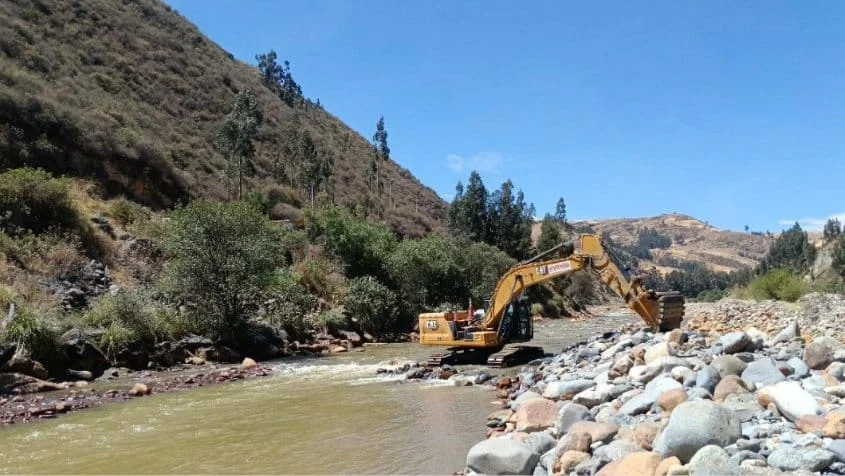
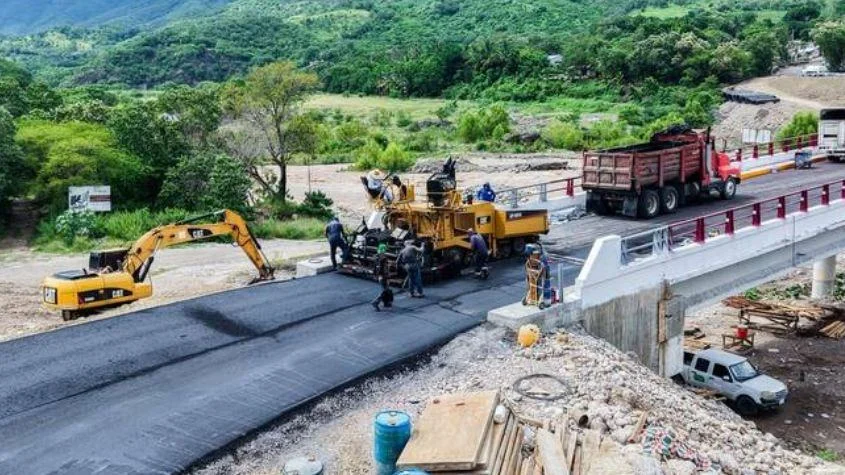
The ongoing operations are centered on a complex engineering project designed to protect the urban centers of Trujillo, El Porvenir, Víctor Larco Herrera, and Laredo. The core objective is the mitigation of disaster risks associated with the activation of ravines—a phenomenon that has historically paralyzed the region.
Luis Castillo Torrealva, spokesperson for the Comptroller’s Office, emphasized that the inspection is being conducted through a synergistic effort between the Megaprojects Control Management and the Regional Control Management of La Libertad. "Our focus is twofold: verifying technical compliance and identifying potential bottlenecks that could derail the project’s completion," Castillo stated.
The scope of the work is significant. To date, the project has achieved the completion of 36 vital check dams in the San Idelfonso ravine and 25 in the San Carlos ravine. These structures are integral to a sophisticated hydraulic system engineered to divert nearly 300 cubic meters per second (m³/s) of runoff into the Moche River, a capacity that must complement existing defenses capable of handling flows exceeding 900 m³/s during peak flood periods.

Chronology: From 2017 Disaster to Present-Day Mitigation
To understand the urgency of these interventions, one must look back at the devastating "Coastal El Niño" of 2017. During that period, the unchecked activation of the San Idelfonso and San Carlos ravines transformed Trujillo into a disaster zone. The subsequent floods caused catastrophic damage to public and private infrastructure, displaced thousands of families, and left the region’s economy in a state of prolonged recovery.
- 2017: The disaster serves as the primary catalyst for the current infrastructure overhaul, highlighting the inadequacy of existing drainage and containment systems.
- 2023-2024: Initiation of the multi-sectoral oversight framework, integrating international technical standards with national budgetary control.
- September 2026 (Present): The Comptroller’s office executes a second phase of intensified field supervision. Focus shifts from initial ground preparation to the finalization of canal conduction systems and the reinforcement of riverbank defenses.
- October 2026 (Projected): Expected completion of the primary conduit channel.
- End of 2026 (Projected): Target date for the finalization of secondary complementary works, aiming for full operational readiness before the onset of the next high-risk rainy season.
Technical Analysis and Supporting Data
The technical viability of the project relies on the integration of massive engineering components. According to the data provided during the site inspections, the project encompasses a total intervention area of approximately 24 kilometers along the Moche River and its tributary systems.
Currently, the construction of conduction channels remains the highest priority. However, the data reveals a critical discrepancy: while the check dams are largely complete, approximately 12 kilometers—or 50%—of the planned riverbank reinforcement and riverbed widening work remains pending. This is a focal point of concern for the Comptroller’s auditors, as the integrity of the entire system depends on the continuity of these defenses.
The hydraulic engineering behind this project is designed to act as a fail-safe. By controlling the velocity and volume of water moving toward urban areas, the system aims to minimize soil erosion and structural collapse. However, as the Comptroller’s reports indicate, the lack of completion on the remaining 12 kilometers creates a "weak link" that could compromise the effectiveness of the entire investment during extreme weather events.
Official Responses and Institutional Accountability
The Comptroller’s office has adopted a policy of "preventive control." By maintaining a permanent presence at the work sites, they aim to avoid the traditional cycle of post-facto audits that characterize many public works in Peru.

"We are not just counting bags of cement," noted a representative from the Regional Control Management. "We are monitoring the structural integrity and the adherence to the engineering designs that were promised to the public."
The government, in collaboration with the executing entities, has acknowledged the delays. Challenges cited include the complexity of land acquisition, coordination with local stakeholders, and the logistical hurdles of working in rugged terrain during the off-season. Nevertheless, the authorities have reiterated their commitment to accelerating the pace of work, specifically aiming to conclude the conduit channels by next month.
The oversight also extended to the Chan Chan archaeological zone. As an site of immense cultural and economic value, its protection is considered as vital as that of the city’s residential infrastructure. The Comptroller’s office is ensuring that drainage systems near the ancient ruins are being constructed with the necessary sensitivity to avoid damaging the historical clay structures while providing effective flood diversion.
Broader Implications: Sustainability and Resilience
The implications of this project extend far beyond the immediate mitigation of flood damage. It represents a shift in how the Peruvian state approaches public works in disaster-prone regions.
1. Economic Stability
For Trujillo, the third-largest city in Peru, the protection of its urban core is synonymous with economic survival. The commercial and agricultural sectors are highly sensitive to the disruptions caused by the El Niño phenomenon. A successful completion of the current infrastructure projects would significantly reduce insurance premiums, lower the risk of public asset loss, and instill confidence in private sector investors.

2. Governance and Public Trust
The transparency demonstrated by the Comptroller’s multi-sectoral operation is a necessary step in restoring public trust. In previous years, the mismanagement of reconstruction funds had led to public skepticism. By providing clear, data-driven updates on the progress of the San Idelfonso and San Carlos works, the government is attempting to demonstrate a new level of accountability.
3. Future-Proofing Urban Planning
The ongoing works are part of a larger, long-term strategy to modernize the region’s resilience. The inclusion of riverbank widening and reinforced levees suggests that the state is moving toward a more holistic approach to urban planning, one that accounts for environmental factors as a primary variable rather than an afterthought.
Conclusion
As the Comptroller’s team concludes its latest audit cycle in La Libertad, the message remains clear: the work is progressing, but there is no room for complacency. With 12 kilometers of critical riverbank defenses still to be finalized, the coming weeks will be decisive.
The success of the infrastructure in the San Idelfonso and San Carlos ravines will ultimately serve as the litmus test for the government’s ability to protect its citizens from the climate-driven crises that have historically plagued the region. The commitment to finish these works by the end of 2026 is an ambitious, yet essential, objective. Through the rigorous and persistent oversight of the Comptroller’s office, the residents of La Libertad can look forward to a future where the threat of the ravines is managed, contained, and—most importantly—under control.