The Mexican federal government is currently spearheading one of its most ambitious regional infrastructure projects: the comprehensive modernization of the 249-kilometer Macuspana-Escárcega highway. This vital artery, which spans the states of Tabasco, Campeche, and Chiapas, is being transformed into a high-capacity route designed to serve as a cornerstone of the regional "Corridor of the Gulf." By expanding the infrastructure to four lanes, authorities aim to slash travel times, bolster trade, and integrate the economies of three pivotal states.
With an investment totaling 25,022 million Mexican pesos, the project represents a significant commitment to national logistics and regional connectivity. According to recent reports from the Secretariat of Infrastructure, Communications, and Transport (SICT), the project is currently in an advanced state of execution, with a completion date firmly set for December 2029.
Main Facts: A New Era for Regional Logistics
The modernization project is not merely an asphalt overlay; it is a structural overhaul of a corridor that serves as a lifeline for passenger transit and commercial freight. The primary objective is to enhance the efficiency of the transport network, reducing the journey time between Macuspana and Escárcega from three hours to two hours and 20 minutes—a 40-minute improvement that translates into significant economic savings for transport companies and commuters alike.
As of October 2026, the project has reached a critical 64% completion threshold. The sheer scale of the operation is evidenced by the 65 active construction fronts currently operating across the three states. These fronts are tasked with the delicate balance of maintaining traffic flow while executing complex widening and structural reinforcement tasks.

The strategic importance of this corridor cannot be overstated. It acts as a bridge between the industrial hubs of the Gulf and the logistical networks of the Yucatan Peninsula. By alleviating bottlenecks and improving road geometry, the government expects a marked decrease in operational costs and a substantial increase in road safety for the estimated 760,000 residents who directly benefit from this infrastructure.
Chronology of Progress: From Inception to 2029
The timeline of the Macuspana-Escárcega project reflects a methodical approach to infrastructure development, balancing immediate needs with long-term regional planning.
- March 2025: The project officially broke ground. Initial efforts focused on logistical staging and mobilizing the heavy machinery required to navigate the challenging terrain of the southern states.
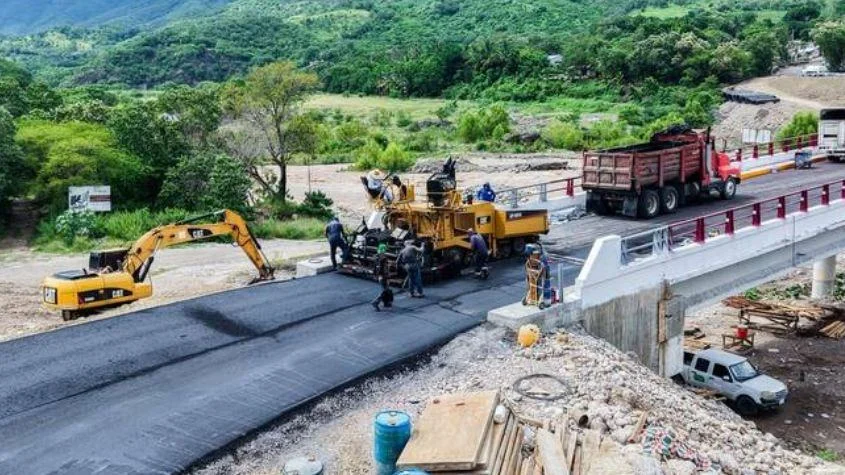
- 2025 Operational Phase: During the first year of construction, crews successfully modernized 16 kilometers of the route. This included 12 kilometers in Tabasco (between Macuspana and the 60-kilometer marker), featuring the completion of two significant bridges, and 4 kilometers in Campeche, specifically along the Escárcega-El Tormento segment.
- 2026 Expansion Phase: The current year is marked by an aggressive push to intervene in 54 kilometers of the highway. By ramping up to 65 active work zones, the SICT has significantly accelerated the pace of the project compared to the initial startup phase.
- 2027-2028 Planning: While detailed construction schedules for these years remain fluid, the focus is expected to shift toward the final integration of the completed segments and the installation of modern traffic management systems.
- December 2029: The official target date for the total completion of the 249-kilometer corridor, marking the full integration of the highway into the Gulf Corridor network.
Supporting Data: A State-by-State Breakdown
The project’s complexity is best understood by looking at the specific requirements of the three states involved. Each region presents unique geographical challenges that have dictated the pace and nature of the work:
Tabasco: The High-Intensity Zone
Tabasco remains the primary focus of the heavy construction efforts. With 28.5 kilometers currently under intervention and the construction of two major bridges, this state boasts an impressive 71.34% completion rate. The work here is critical, as it forms the gateway for traffic coming from the interior of the country.

Campeche: Structural Upgrades
In Campeche, the project covers 20 kilometers of road. Progress is steady at 55.6%, with a focus on widening existing lanes and improving the sub-base of the highway to handle increased heavy-duty freight traffic.
Chiapas: Rehabilitation and Connectivity
While the segment in Chiapas is shorter—covering approximately 5.5 kilometers—it is essential for regional connectivity. The rehabilitation efforts here are designed to bring local roads up to the high standards of the national corridor, ensuring that the modernization does not create a "bottleneck" effect at the state borders.
Official Responses and Strategic Vision
The Secretariat of Infrastructure, Communications, and Transport (SICT) has maintained a transparent reporting structure throughout the project’s lifespan. Officials have repeatedly emphasized that this is not just a road project but a "social and economic catalyst."
By integrating the Macuspana-Escárcega highway into the broader Gulf Corridor, the federal government aims to reduce the logistics costs that currently hamper trade in the southern region. During recent briefings, SICT representatives noted that the investment of 25.022 billion pesos is being audited strictly to ensure that quality standards are met, particularly regarding the durability of the pavement and the structural integrity of the new bridges.

The regional governors of the affected states have also voiced their support, highlighting that the improved road will facilitate better access to healthcare and education for remote communities that have historically been sidelined by poor infrastructure.
Implications: Economic and Social Impact
The completion of this highway will have ripple effects across the regional economy.
Economic Implications
- Reduced Logistics Costs: For companies moving goods between the Gulf and the Yucatan, the 40-minute time saving represents a significant reduction in fuel consumption and vehicle wear-and-tear.
- Increased Commercial Flow: A faster, more reliable road encourages the movement of perishable goods, boosting the agricultural sectors in Tabasco and Chiapas.
- Regional Integration: The project serves as an anchor for further investment. When infrastructure improves, private sector interest in the region typically follows, leading to new commercial developments and service-based businesses along the corridor.
Social Implications
- Connectivity for 760,000 Residents: The project directly impacts the daily lives of nearly three-quarters of a million people. Better roads mean faster access to hospitals in major cities like Villahermosa or Escárcega.
- Safety Standards: The current highway has been subject to high accident rates due to its age and narrow lanes. The expansion to four lanes, accompanied by modern lighting and signage, will drastically reduce the frequency of fatal accidents.
- Job Creation: The construction phase itself has been a significant driver of local employment, hiring thousands of workers from the surrounding communities, thereby stimulating the local economy during the construction lifecycle.
Conclusion: Looking Toward 2029
As the Macuspana-Escárcega highway moves toward its final phases, the focus will increasingly shift from earth-moving and structural construction to the long-term maintenance strategy. The challenge for the SICT and its partners will be to ensure that the infrastructure remains resilient against the tropical climate of the region, which is known for heavy rainfall and flooding—factors that can rapidly degrade asphalt if not managed with high-quality engineering.
The progress achieved by late 2026 serves as a testament to the viability of the project. With 64% of the work complete and a clear, well-funded roadmap for the remaining three years, the Macuspana-Escárcega corridor is well on its way to becoming a modern, efficient, and safe backbone for the southern Mexican economy. As the project nears its 2029 deadline, it will stand as a benchmark for how strategic infrastructure investment can reshape regional development for decades to come.