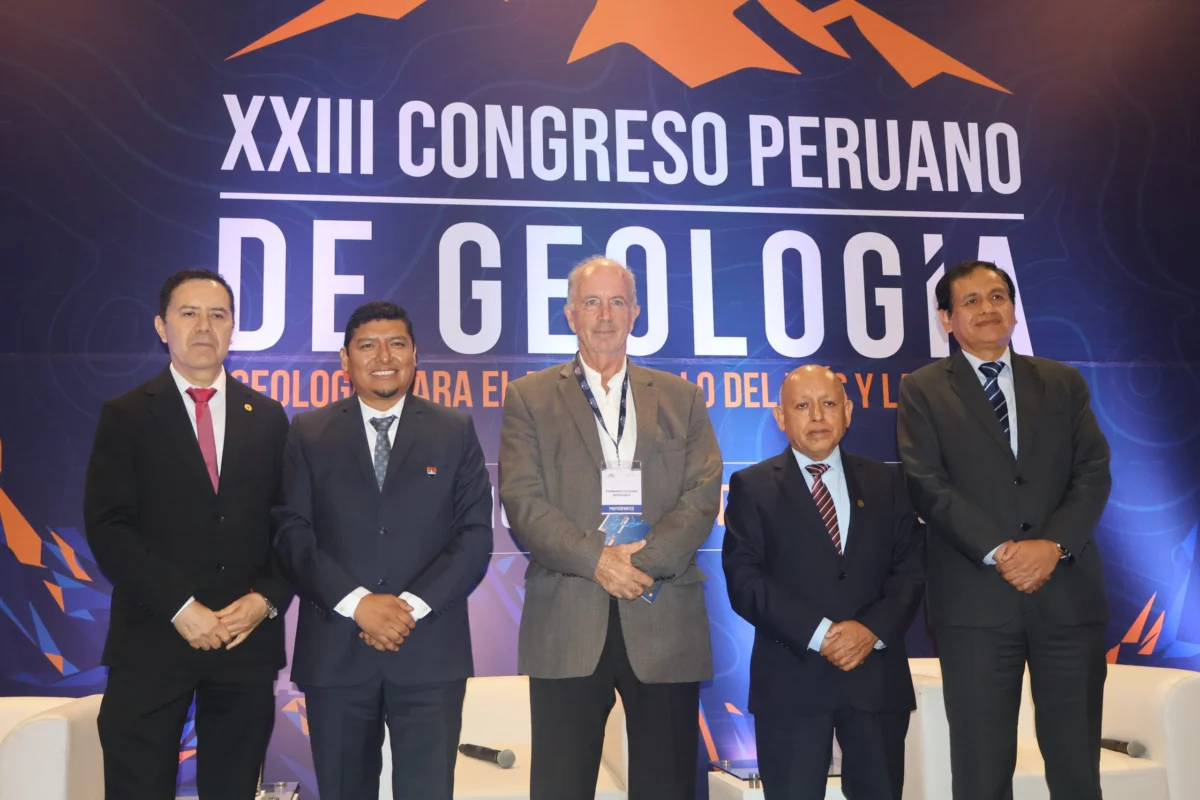
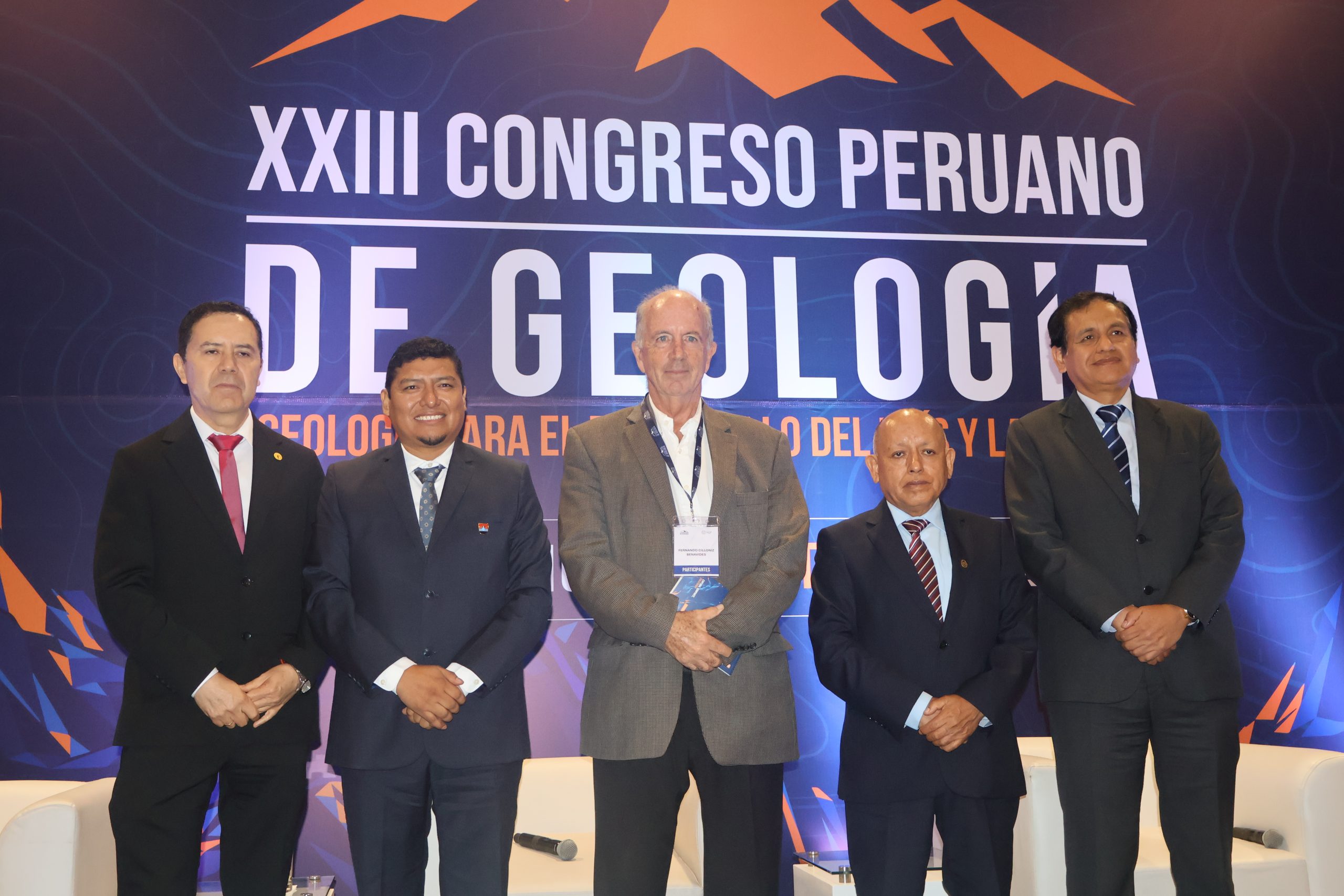
The XXIII Peruvian Geological Congress, hosted by the Geological Society of Peru (SGP), has emerged as a pivotal forum for addressing one of the most contentious and essential issues in the nation’s development: the management of water resources. In a landscape where the mining industry and agricultural sector often find themselves in a delicate balance over water access, the congress provided a platform for experts to advocate for a fundamental paradigm shift.
Under the theme "Water, Mining, and Territorial Development: How to Build Trust?", the event brought together policymakers, industry leaders, and scientific experts to argue that the current model of water governance is insufficient. The consensus was clear: without a robust, depoliticized, and scientifically driven institutional framework, Peru risks falling behind in its sustainable development goals.
The Core Mandate: Depoliticizing Water Governance
The central thesis of the discussions at the congress was the necessity of insulating water management from the volatility of national politics. Currently, the administration of Peru’s water resources is subject to the changing priorities of successive administrations, leading to a lack of continuity and expertise in critical decision-making roles.
The "BCRP Model" for the ANA
One of the most compelling proposals came from former Ica Regional Governor Fernando Cillóniz, who argued for a radical restructuring of the National Water Authority (ANA). Cillóniz proposed that the ANA be granted institutional autonomy mirroring that of the Central Reserve Bank of Peru (BCRP).
"Water management is not a political tool; it is a highly specialized technical discipline," Cillóniz asserted. He argued that by granting the ANA financial and administrative independence, the state could protect long-term water infrastructure and policy from the whims of short-term electoral cycles. He emphasized that positions within the authority must be filled exclusively through rigorous public competitions based on meritocracy, ensuring that the agency is populated by the nation’s best engineers and hydrologists rather than political appointees.
Chronology of the Debate: From Conflict to Collaboration
The discourse surrounding water in Peru has evolved significantly over the past decade. Historically, the narrative has been dominated by localized conflicts between mining operations and rural agricultural communities. However, the XXIII Geological Congress marked a transition from reactive crisis management to a proactive, data-driven strategy.
- Phase 1: The Era of Confrontation (2010–2018): During this period, water disputes were largely characterized by civil unrest and a lack of reliable technical data. The state acted primarily as a mediator in disputes rather than an objective regulator.
- Phase 2: The Push for Technical Rigor (2019–2023): With the increasing influence of the SGP and organizations like Ingemmet, the focus shifted toward mapping groundwater and defining the hydrological balance of basins.
- Phase 3: The Call for Structural Reform (2024–Present): The current moment, highlighted by the discussions at this year’s congress, represents a push for systemic change. The focus has moved beyond "how much water do we have" to "how do we manage the institutions that govern the water."
Supporting Data: The Hidden Crisis of Groundwater
A sobering reality check was provided by Jorge Tovar, director of Hydro-Geo, who presented data that challenges the efficacy of current state oversight. According to Tovar, internal estimates suggest that over 70% of wells along the Peruvian coast operate in a state of illegality or lack the necessary regulatory licenses.
The Fiscalization Gap
This staggering statistic highlights a profound "fiscalization gap." While the state focuses on regulating large-scale mining operations—which are highly visible and subject to international compliance standards—the vast majority of groundwater extraction occurs in an unregulated shadow market. Tovar argued that the current regulatory burden is often misplaced, placing extreme pressure on compliant, large-scale users while failing to monitor the cumulative impact of thousands of small, unauthorized wells.
"We need a proportional regulatory framework," Tovar stated. He advocated for a system where requirements are tiered according to the scale of impact, allowing the state to focus its limited enforcement resources on high-risk zones where over-extraction threatens the long-term viability of the aquifer.
Scientific Leadership: The Role of Ingemmet
Walther León Lecaros, Executive President of the Geological, Mining, and Metallurgical Institute (Ingemmet), reinforced the argument that technical data must remain the bedrock of national policy. Under his leadership, Ingemmet has accelerated its efforts to map the country’s hydrogeological systems.
Projects for a Sustainable Future
Ingemmet is currently executing a series of initiatives aimed at providing a transparent, public record of water quality and quantity. These projects include:
- Groundwater Mapping: Using satellite imagery and deep-well sensors to create a real-time database of aquifer health.
- Environmental Geology Assessments: Identifying the impact of mineralized zones on natural water quality, which often serves as the baseline for determining whether water contamination is natural or anthropogenic.
- Generational Knowledge Transfer: León Lecaros emphasized the importance of bringing young researchers into the fold. By collaborating with universities, Ingemmet is fostering a new generation of scientists committed to data-driven governance, effectively building a "brain trust" that will carry these standards into the next decade.
Implications: Building Trust through Transparency
The ultimate goal of the reforms discussed at the congress is the restoration of trust. In many Peruvian regions, the belief that mining companies are depleting water resources or that the government is failing to protect the agricultural sector remains a primary source of social instability.
A Multisectoral Approach
The congress concluded that "trust" cannot be legislated; it must be earned through transparency. The recommendations provided by experts point toward a three-pillared strategy:
- Standardized Data Portals: All water usage data, whether from mining, agriculture, or municipal sources, must be made available on a unified, transparent, and public digital platform. If everyone sees the same numbers, the space for misinformation shrinks.
- Depoliticized Enforcement: By empowering an autonomous ANA, the government can demonstrate that enforcement of water regulations is based on scientific thresholds, not political pressure.
- Collaborative Governance: The model promoted by the SGP suggests that the "mining vs. water" binary is a false dichotomy. Modern mining, when managed with sophisticated hydrological technology, can coexist with agriculture. However, this requires the state to act as a guarantor of equity, ensuring that water-sharing agreements are monitored and respected.
Conclusion: The Path Forward
The XXIII Peruvian Geological Congress served as a clarion call for institutional maturity. As the nation grapples with climate change and the increasing pressures of global mineral demand, the ability to manage water will be the defining factor of Peru’s economic and social stability.
Engineer César Farfán, President of the Congress, encapsulated the spirit of the event by noting that technical rigor is the only language that can bridge the divide between industry, the state, and local communities. The transition toward an autonomous, meritocratic, and data-backed water management system is no longer merely a suggestion—it is an imperative.
As the SGP continues to champion these dialogues, the focus remains on the long-term vision: a Peru where water is not a source of conflict, but the foundation of a shared, prosperous, and sustainable future. Through the implementation of the reforms proposed by Cillóniz, Tovar, and the leadership at Ingemmet, the country has the potential to turn its most significant challenge into a model of regional excellence in water governance.