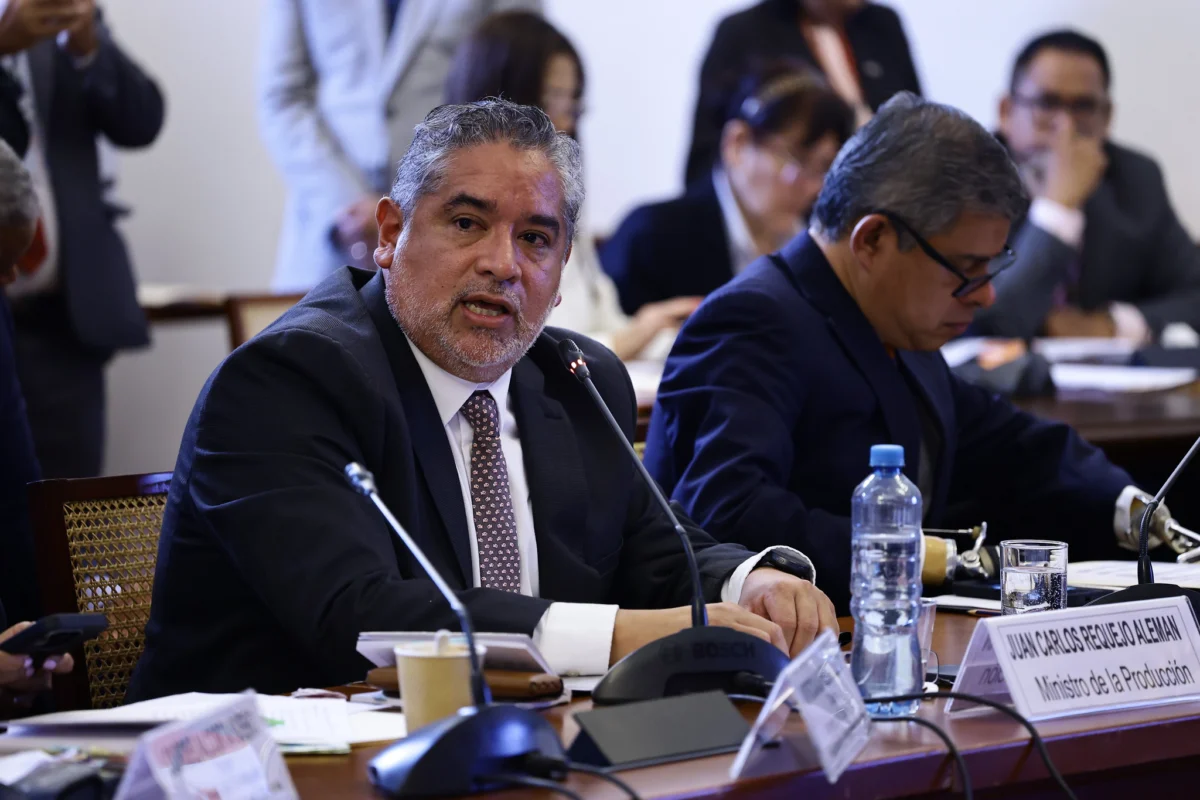
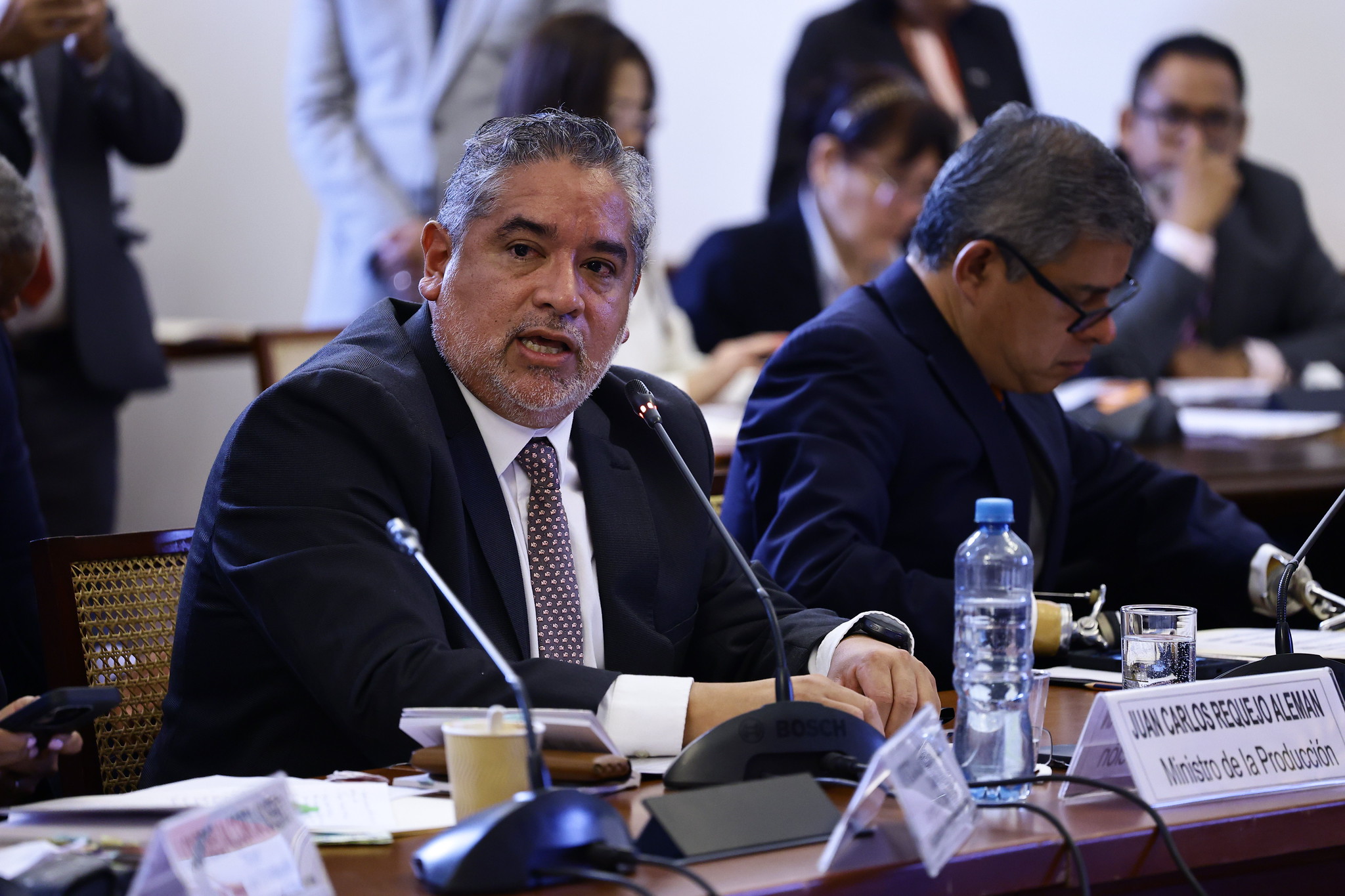
In a critical session before the Constitution, Rules, and Foreign Relations Committee of the Senate, the Minister of Production, Juan Carlos Requejo, issued a stark warning regarding the survival of Peru’s micro, small, and medium-sized enterprises (MIPYMEs). As the nation braces for the escalating impacts of the El Niño phenomenon, the Minister formally requested emergency legislative powers from the Executive branch to implement a series of structural reforms designed to prevent widespread business closures and economic stagnation.
The presentation, delivered as part of a coordinated effort by the Executive branch—led by the Prime Minister and supported by six cabinet members—underscored the gravity of the situation. Minister Requejo emphasized that the “future threat” of climate-induced economic damage has already transitioned into a “present reality,” demanding an immediate, agile, and unified response from all three levels of government.
The Anatomy of an Economic Crisis: Impact Assessment
Sectoral Vulnerabilities
The data presented by Minister Requejo paints a sobering picture of the national economy. The fishing sector, a cornerstone of Peru’s export prowess, has suffered a catastrophic 40% decline in productivity. This volatility has rippled through the value chain, affecting approximately 50,000 direct workers and jeopardizing the livelihoods of over 200,000 indirect employees.
Beyond the maritime industry, the impact is pervasive:
- Textiles and Apparel: The anomalous absence of a traditional winter season along the coast has left thousands of small-scale clothing manufacturers with unsold inventory, severely restricting cash flow.
- Manufacturing and Metalworking: These sectors are currently grappling with supply chain disruptions and diminished demand.
- Agro-industry: Producers of cacao and chocolate are reporting significant supply instabilities, threatening their standing in international markets.
“The MIPYMEs represent 99% of the country’s business fabric,” Requejo stated during his address. “The El Niño phenomenon is not a looming shadow; it is already causing systemic damage. We are at a juncture where we must choose between decisive action or presiding over the collapse of thousands of businesses.”
Legislative Strategy: The “Zero-Paperwork” Initiative
A central pillar of the Minister’s proposal is the implementation of the “Trámite Cero” (Zero-Paperwork) program. This initiative aims to dismantle the bureaucratic bottlenecks that currently stifle small entrepreneurs.
Streamlining Administrative Procedures
The current regulatory landscape is characterized by a lack of uniformity between national, regional, and municipal governments. This fragmentation creates a fertile environment for inefficiency and, in some cases, corruption. Under the requested legislative powers, the Ministry of Production seeks to:
- Automate Low-Risk Procedures: Transition toward a system where licenses and authorizations for low-risk business activities are granted via automated digital processes.
- Harmonize Regulations: Establish a singular, national standard for administrative compliance to eliminate the conflicting requirements that currently confuse and penalize small business owners.
- Modernize State Procurement: Ensure that 40% of government purchases are reserved for MIPYMEs, while adjusting current norms to allow the state to acquire innovative products and services directly from these small players, thereby injecting much-needed capital into the ecosystem.
Supporting the Ecosystem: Innovation and Infrastructure
Beyond immediate relief, the Ministry of Production is advocating for a long-term strategy centered on technological advancement and industrial capacity.
The Role of the CITE Network
The Minister highlighted the critical work of the 36 Centers for Productive Innovation and Technological Transfer (CITEs). These centers serve as hubs for specialized technical assistance, helping businesses in the coffee, cacao, textile, leather, and footwear sectors refine their manufacturing processes and enhance product quality. The proposed plan includes:
- Cross-Sectoral Articulation: Combining resources from regional and local governments with private sector contributions to expand the CITEs’ reach.
- Technological Integration: Providing small businesses with the tools to innovate, which is essential for competing in an increasingly digitized global market.
Revitalizing Industrial Infrastructure
The current state of Peru’s industrial parks is a cause for concern, with an average occupancy rate of only 30%. Minister Requejo argued that by offering incentives and improving the infrastructure within these zones, the government could attract private investment and provide a more stable environment for enterprises to grow. “We need to move from a static infrastructure to a dynamic, competitive environment that encourages businesses to scale up rather than remain in survival mode,” he noted.
Strengthening the Fishing and Aquaculture Sectors
The fishing sector, reeling from the first industrial season—which saw only 24% of the projected quota fulfilled—requires a recalibration of its regulatory framework.
Evidence-Based Management
The Minister emphasized that the government must lean heavily on the technical expertise of the Marine Institute of Peru (IMARPE). Any adjustments to fishing quotas or regulations must be grounded in scientific evidence to ensure the long-term sustainability of marine resources.
Furthermore, the government intends to expand the role of the National Fund for Fisheries Development (FONDEPES) to include specialized training for workers. By incorporating processors and shore-based staff into the formal regulatory chain, the Ministry aims to create a more resilient workforce capable of adapting to the unpredictable climate cycles associated with El Niño.
Official Responses and Political Implications
The request for delegated legislative powers is currently under intense scrutiny by the Senate. While the Executive argues that the “exceptional circumstances” of the climate crisis justify a swifter, more flexible legislative process, some members of the Senate have expressed concerns regarding the breadth of the powers requested.
The Argument for Urgency
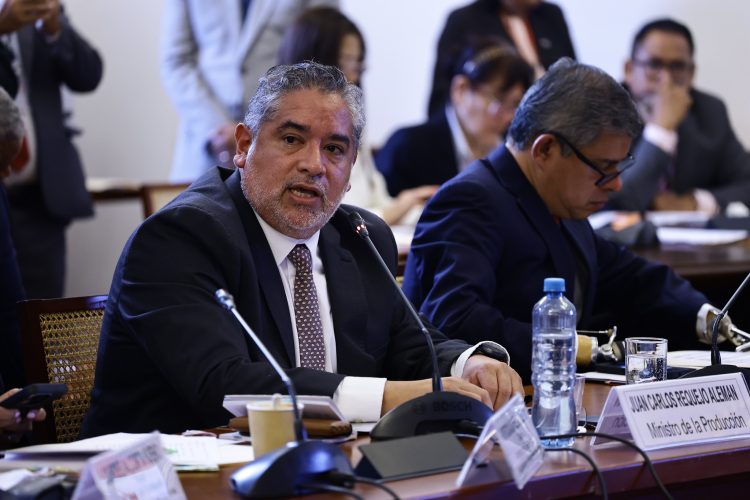
Minister Requejo’s closing remarks were a plea for political pragmatism. He argued that the current legislative cycle is too slow to react to the rapid onset of environmental disasters. “If we do not support these businesses now, it will be too late when we finally decide to implement salvage measures,” he warned. “By then, many of these companies will have already ceased operations, and the cost of rebuilding will far outweigh the cost of protecting them today.”
Challenges Ahead
The debate highlights a broader tension in Peruvian politics: the balance between the Executive’s need for speed and the Legislative branch’s role in oversight. The success of the Ministry of Production’s proposal will depend on whether the Senate believes that the "Trámite Cero" and associated reforms can be implemented without compromising transparency.
Looking Ahead: A Roadmap for Resilience
The strategy outlined by Minister Requejo is ambitious, aiming to integrate simplified administration, increased liquidity through factoring (a financial tool that allows businesses to sell their invoices to obtain immediate cash), and enhanced technological capacity.
As the government moves forward, the success of these measures will be measured by their ability to reach the "micro" segment of the MIPYME sector—those businesses most vulnerable to the shocks of the current crisis. The integration of regional and local governments will be the ultimate test of this policy, as the effectiveness of national-level mandates is often diluted at the municipal level.
In conclusion, the government’s proposal is a recognition that the economic stability of Peru is inextricably linked to the survival of its smallest entrepreneurs. By addressing the triple challenge of bureaucratic inefficiency, limited access to finance, and climate vulnerability, the Ministry of Production hopes to create a more robust economic foundation, ensuring that the nation does not just survive the current El Niño event, but emerges with a more competitive and technologically integrated industrial base.