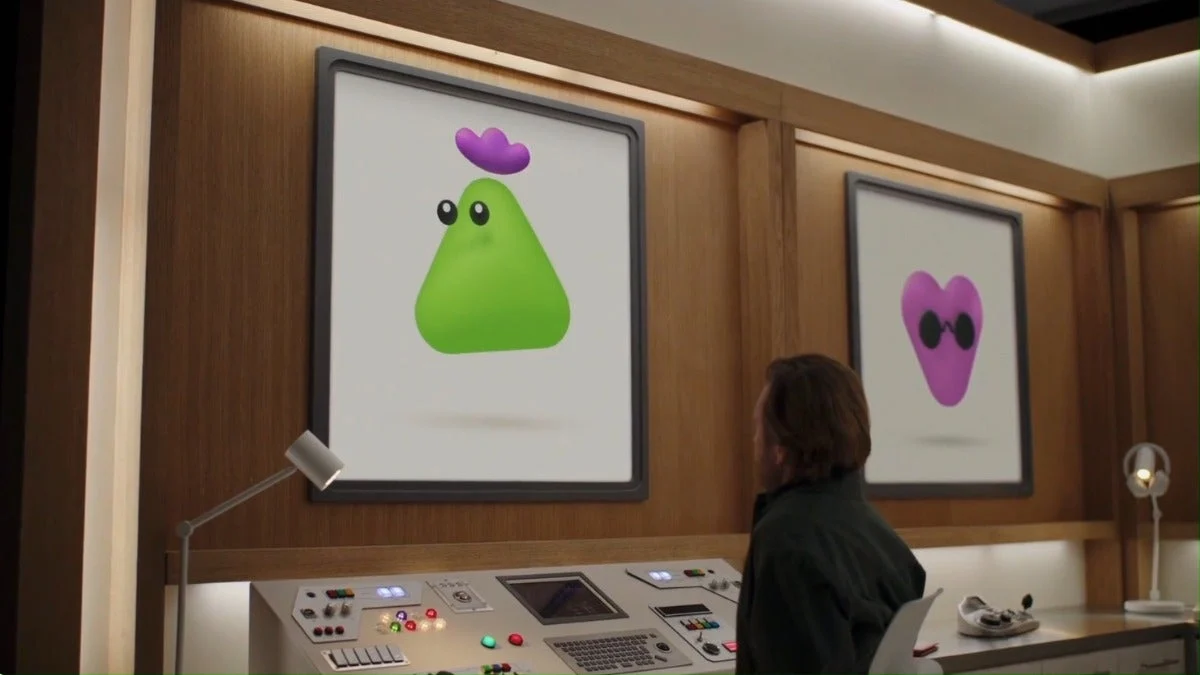
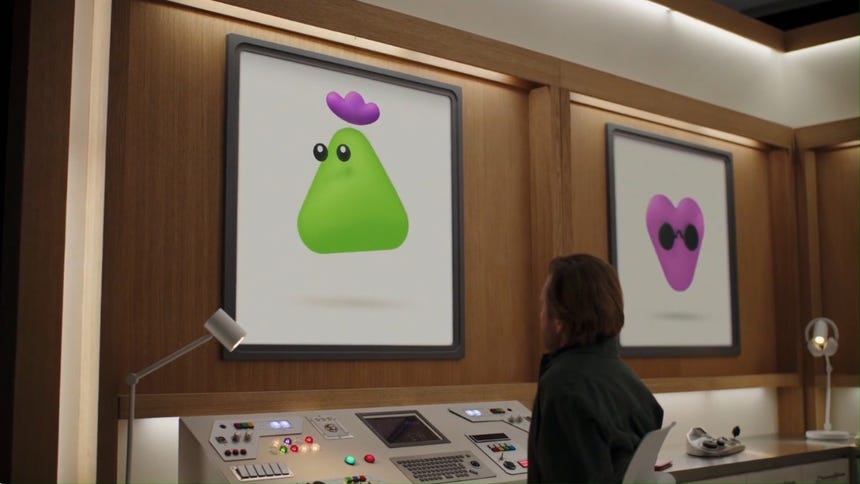
In a landmark shift for the artificial intelligence industry, OpenAI has officially unveiled "Dots," a sophisticated system of AI agents designed to move beyond the constraints of conversational chatbots. Announced on September 29 during the company’s annual DevDay, Dots represents a fundamental pivot in how humans interact with machine intelligence: instead of merely posing questions to a model and receiving text-based answers, users can now delegate complex, multi-step workflows to an autonomous digital assistant.
This development signals a transition from generative AI—which creates content—to "agentic" AI, which performs work. By executing tasks across various software ecosystems, managing schedules, and interacting with third-party applications, Dots promises to automate the friction of digital life.
The Core Concept: From Prompting to Delegating
The primary differentiator between traditional large language models (LLMs) and the new Dots framework is the concept of autonomy. Until now, users have spent the last two years "prompt engineering"—painstakingly breaking down complex goals into a series of smaller, manageable instructions for a chatbot.
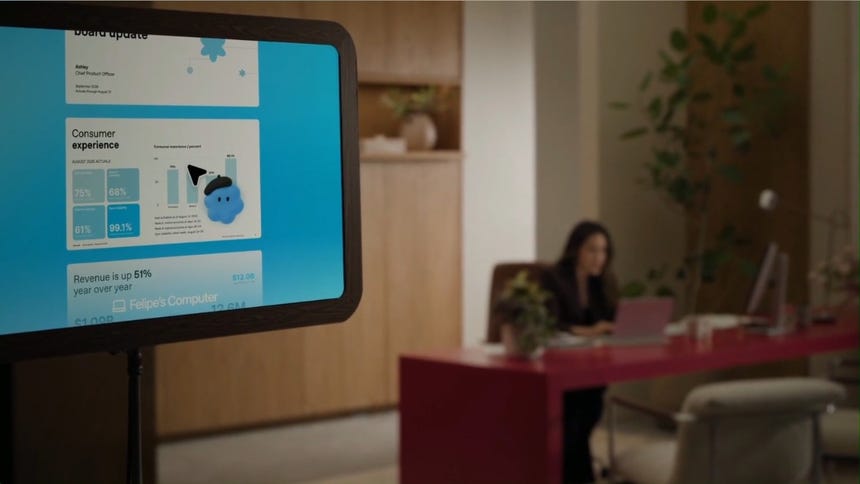
Dots flips this paradigm. By providing a high-level objective, the agent takes responsibility for the "how." It determines the necessary steps, navigates software interfaces, manages data flow, and interacts with platforms like Slack, email, calendar tools, and web-based services without constant human intervention.
"We are moving from a world where AI is a search engine or a writer to a world where AI is a colleague," stated an OpenAI spokesperson during the DevDay keynote. Whether it is coordinating a cross-departmental meeting by checking availability across multiple calendars, drafting follow-up emails, or updating project management software, Dots acts as an operational layer between the user and their digital tools.
Chronology of a Breakthrough: The Road to Autonomy
The release of Dots is the culmination of years of iterative research at OpenAI, tracking a clear trajectory from simple text prediction to full-scale task automation.
- 2022 – The Chatbot Era: With the release of ChatGPT, the world was introduced to the power of conversational AI. While revolutionary, it was strictly reactive—it answered only when spoken to and lacked the ability to manipulate external software.
- 2023 – Multimodal Integration: OpenAI introduced vision and voice capabilities, allowing models to "see" and "hear." This laid the groundwork for agents that could interpret screenshots or voice memos to understand the context of a user’s digital environment.
- 2024 – Enterprise Scaling (ChatGPT Work): OpenAI began deploying specialized, high-capacity versions of their models for enterprise use. This was the first true test of "long-context" workflows, where the AI had to maintain focus on complex projects involving hundreds of files and long-term memory.
- September 2026 – The Agentic Revolution (Dots): The official launch of Dots marks the arrival of autonomous agents capable of navigating the internet and desktop environments on behalf of the user, effectively "closing the loop" between intent and action.
Supporting Data: Why "Agentic" Workflow is the Future
The shift toward autonomous agents is driven by the industry’s recognition of the "productivity plateau." While AI has made writing and coding faster, the administrative overhead of switching between applications—copy-pasting data, verifying details, and sending notifications—remains a significant bottleneck.
According to preliminary internal studies presented by OpenAI, the implementation of agents like Dots can reduce the time spent on "micro-tasks" by up to 60%. In a professional setting, this equates to hours saved per week. For instance, in a scenario involving lead generation, a user might instruct Dots to: "Find potential clients from this list, verify their contact information via LinkedIn, add them to our CRM, and draft a personalized outreach email."
In the previous model, this would require hours of manual navigation. With Dots, the agent performs the search, verifies the data, interacts with the API of the CRM, and drafts the email—all while the user is free to focus on high-level strategy.
The Implications of Persistent AI
Perhaps the most significant feature of Dots is its ability to continue working after the user has disconnected. Unlike a browser tab that closes or a chatbot session that expires, Dots is designed to operate in the background.
Operational Efficiency
By tethering the AI to the user’s identity and permissions, Dots functions as a tireless assistant. If an agent is tasked with monitoring a specific web portal for updates, it will periodically check the site, process the information, and push a notification to the user only when a relevant event occurs.
The Security and Ethical Frontier
With great capability comes significant risk. Entrusting an AI with the ability to "act" on one’s behalf—to send emails, edit documents, or access private data—raises urgent questions regarding cybersecurity and oversight.
OpenAI has emphasized that Dots operates within a "sandboxed" environment that requires explicit, granular permissions. Users must approve the "scope" of an agent’s access. For example, if a user allows an agent to access their Slack account, they can specify that the agent can only read messages from certain channels or only post as a draft, never hitting "send" without a human final check.
"Safety is not a feature; it is the foundation," said an OpenAI safety lead. "As we move toward agents that perform actions, we are implementing ‘Human-in-the-Loop’ protocols for sensitive tasks, ensuring that the AI never makes an irreversible decision without user verification."
Industry Response and Future Outlook
The launch of Dots has sent shockwaves through the tech sector, forcing competitors to accelerate their own agentic roadmaps. Companies like Google, Anthropic, and Microsoft have all hinted at similar "Action Models," but OpenAI’s move to integrate these features directly into the familiar ChatGPT interface gives them a significant first-mover advantage in user adoption.
The Human-AI Collaboration Model
The long-term implication is a fundamental change in the nature of employment. As the barrier to performing administrative tasks drops, the value of a professional will increasingly shift from "doing" to "directing."
Analysts suggest that we are entering the era of "Orchestration," where the most valuable skill for an employee will be their ability to manage a team of AI agents effectively. Instead of writing code, a developer might manage an agent that writes, tests, and deploys the code. Instead of managing a project, a manager might oversee a fleet of agents that track progress, flag risks, and allocate resources.
Conclusion: A New Chapter
The unveiling of Dots on September 29 is more than just a software update; it is a declaration that the era of the "passive" AI is over. By transitioning from a reactive chatbot to a proactive, agentic system, OpenAI is aiming to become the operating system for the modern digital worker.
While the technology is still in its early stages and will undoubtedly face challenges regarding privacy, reliability, and the unintended consequences of automation, the direction is clear. The future of work will not be defined by how much we can do, but by how effectively we can delegate to the intelligent systems we have built. As Dots begins its rollout, it serves as a powerful reminder that the next frontier of artificial intelligence is not in the generation of information, but in the intelligent execution of human intent.