Executive Summary: A Landmark Legal Challenge
The Peruvian mining sector stands at a precarious crossroads. On August 7, 2026, the Constitutional Tribunal (TC) of Peru formally admitted to process a constitutional lawsuit (Expediente 00009-2026-PI/TC) that challenges the legality of the latest extension of the Registry of Mining Formalization (REINFO). Filed by the Loreto Bar Association on June 30, the lawsuit targets Article 1 of Law 32537—which extended the REINFO process until December 31, 2026—and Article 3 of Legislative Decree 1695, which significantly modified key articles of the Penal Code (307-A and 307-F).
This legal maneuver represents the most significant pushback to date against a system that critics argue has transformed from a transitionary tool into a shield for illicit activities. With the Tribunal notifying both the Congress and the Executive branch on September 11, the stage is set for a judicial ruling that could potentially dismantle the current framework of artisanal mining in Peru.
Chronology of a Failed Transition
The REINFO was initially conceived as a temporary gateway to bring informal miners into the formal economy. However, after more than two decades of existence, its original objectives remain largely unfulfilled.
- The Origins: Established over 24 years ago, the mechanism was intended to provide a pathway to compliance for small-scale miners.
- April 2025: An earlier constitutional challenge was brought before the Tribunal. While the case was declared inadmissible due to "subtraction of the matter" (the specific legal context had shifted), the internal vote was telling: three magistrates voted in favor of declaring the registry unconstitutional, signaling a deep judicial division.
- June 30, 2026: The Loreto Bar Association files the current lawsuit, arguing that the fifth extension of the REINFO violates fundamental constitutional rights.
- August 7, 2026: The Constitutional Tribunal admits the case, triggering a 30-day window for the state to provide a formal response.
- September 11, 2026: Official notification of the process is delivered to the Legislative and Executive branches.
The Argument: From Formalization to "Legalized" Impunity
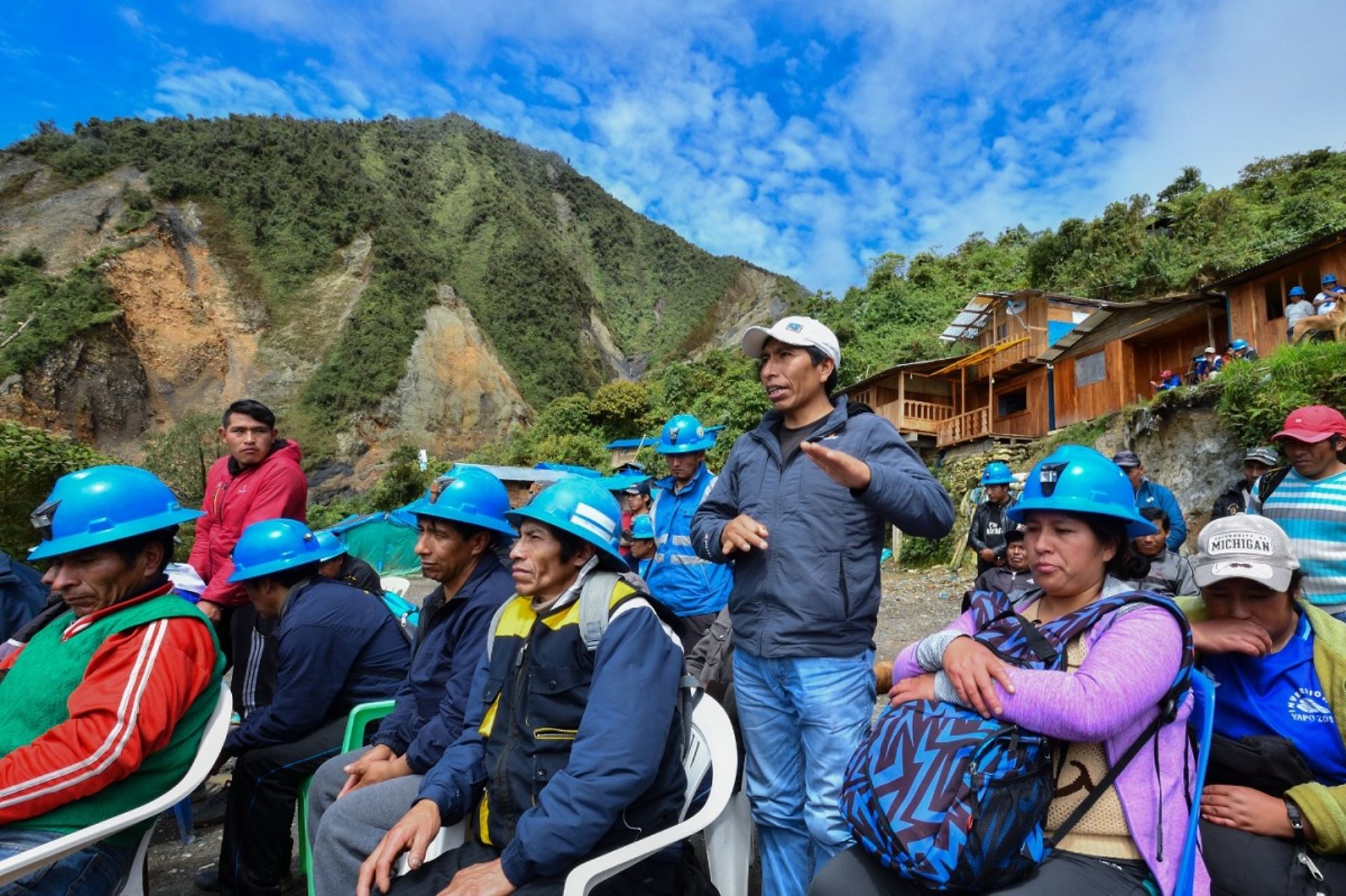
The core of the Loreto Bar Association’s argument is that the REINFO has become a perversion of its original intent. The plaintiffs assert that being listed in the registry acts as a "get-out-of-jail-free card," granting miners a level of administrative, civil, and criminal immunity that shields them from prosecution even when they are operating outside the bounds of their registered territory or violating environmental standards.
Constitutional Violations
The lawsuit posits that the continued extension of the REINFO directly infringes upon several constitutional mandates:
- Right to a Balanced Environment: The proliferation of mining in sensitive ecosystems, particularly the Amazon, directly contradicts the state’s obligation to protect the environment.
- Right to Health: The toxic runoff from unregulated mining, specifically mercury contamination in river basins, poses a catastrophic risk to public health.
- Equality Before the Law: The Bar Association argues that the registry creates a two-tier system where informal actors enjoy protections not afforded to law-abiding citizens.
- Access to Environmental Justice: The "immunities" granted by the REINFO framework effectively prevent the judiciary from effectively punishing environmental crimes.
Supporting Data: The Ecological Crisis in the Nanay River
The urgency of this legal challenge is best illustrated by the ongoing environmental disaster in the Nanay River, the primary water source for the city of Iquitos. The statistics gathered by the Monitoring of the Andean Amazon Project (MAAP) paint a harrowing picture.
The Nanay River Explosion
Between 2025 and 2026, illegal gold mining activities in the Nanay basin effectively doubled. Surveillance data documented over 700 instances of dredging equipment—a record high—within just one year. This represents nearly 50% of all detections recorded over the previous nine years of monitoring.
The impact is not merely limited to the water. A new, alarming phenomenon has emerged: the systematic clearing of riverine forests to facilitate dredging operations. This physical destruction of the riparian landscape compounds the chemical pollution caused by mercury. As of mid-2026, the activity has expanded to 13 major Amazonian rivers, suggesting that the "informal" mining sector is expanding its footprint with total disregard for the territorial integrity of the Amazon rainforest.
Recent Enforcement Efforts
The struggle on the ground remains intense. In June 2026, a joint military and police operation resulted in the destruction of 20 illegal dredges along the Nanay. Authorities also seized a major vessel loaded with fuel intended to supply illicit camps in the Alto Tigre region. Despite these tactical successes, the systemic issue—the legal shelter provided by the REINFO—remains intact.
Official Responses and Political Friction
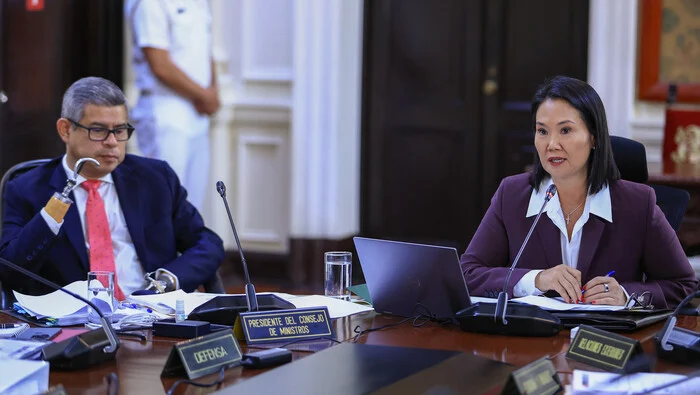
The political establishment is deeply divided on how to proceed. Energy and Mines Minister Guillermo Shinno has suggested a middle-ground approach, floating the idea of a sixth extension. However, this proposal would be restricted to approximately 30,000 miners who can prove they have made "actual progress" in their formalization paperwork.
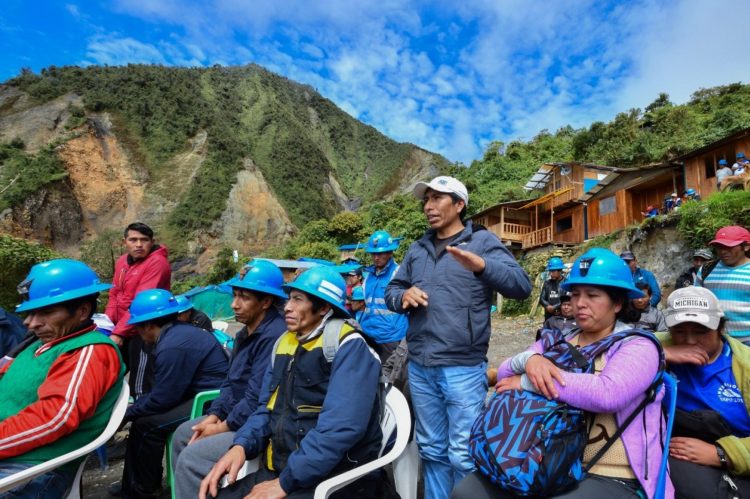
Minister Shinno has also pledged to submit the "MAPE Law" (Mining for Artisanal and Small-scale Enterprises) to Congress by November. This proposed legislation aims to replace the current, failing system with a more rigorous, results-oriented framework.
Parliamentary Backlash
The proposal for a sixth extension has been met with fierce resistance from several parliamentary factions. Many legislators argue that "more of the same" is not a solution and have demanded a total overhaul of the sector’s regulatory architecture. These critics argue that any further extensions serve only to delay the inevitable and provide more time for environmental degradation to take root.
Implications: A Looming Judicial Precedent
As the Constitutional Tribunal begins its deliberations, the country remains in a state of regulatory limbo. The current admission of the case does not invalidate the REINFO; it simply opens the door to a potentially monumental shift in policy.
The Stakes for the Future
- If the TC rules in favor of the plaintiffs: The government would be forced to immediately cease the REINFO system, effectively stripping tens of thousands of miners of their "administrative shield." This would likely lead to a surge in enforcement actions, as miners would no longer have the registry to claim "in-process" status.
- If the TC rules against the plaintiffs: The status quo will be solidified by judicial precedent, likely emboldening the informal mining sector and making any future reform significantly more difficult to pass through the legislature.
The Human and Economic Cost
While the legal battle unfolds in the halls of the Tribunal, the reality for the people of Iquitos and other Amazonian regions is one of uncertainty. The contamination of the Nanay River is an existential threat to the city’s water supply. The conflict is no longer just about economic regulation; it has become a struggle between the rule of law and the survival of one of the world’s most vital ecosystems.
As the 30-day window for the Executive and Congress to respond closes, the nation watches to see if the judiciary will finally prioritize the health of the Amazon over the interests of a sector that has operated under a cloak of "transitory" legality for far too long. The Nanay River, and the communities that depend on it, remain the silent, suffering witnesses to this historic debate.