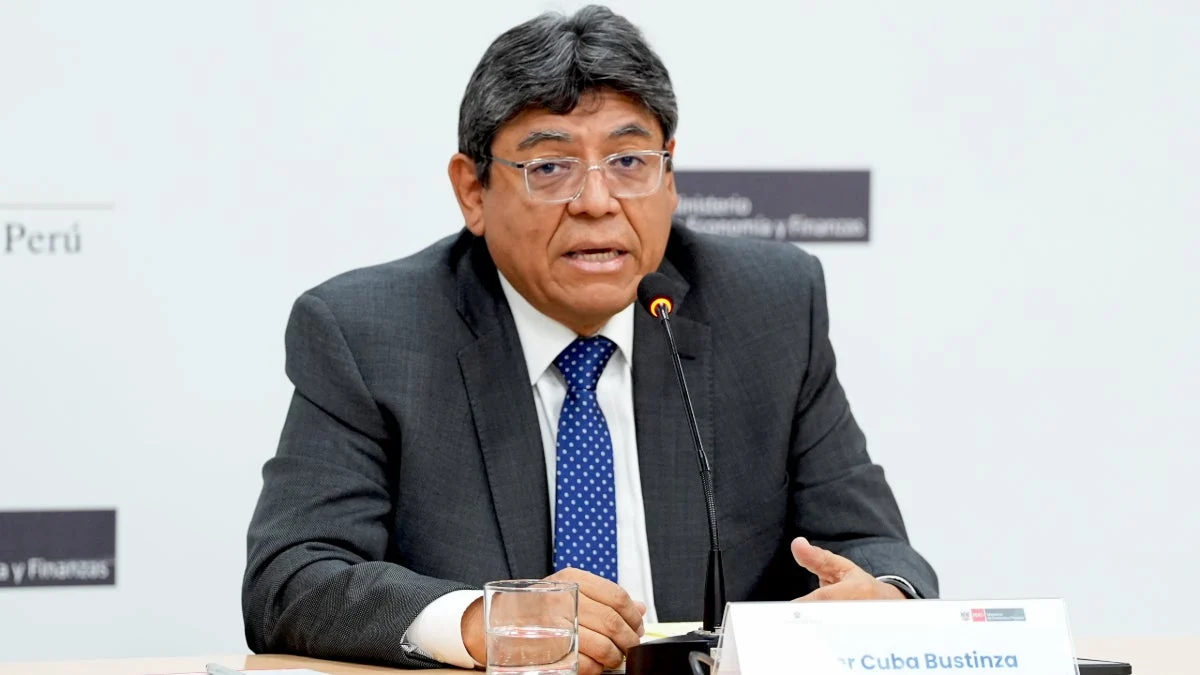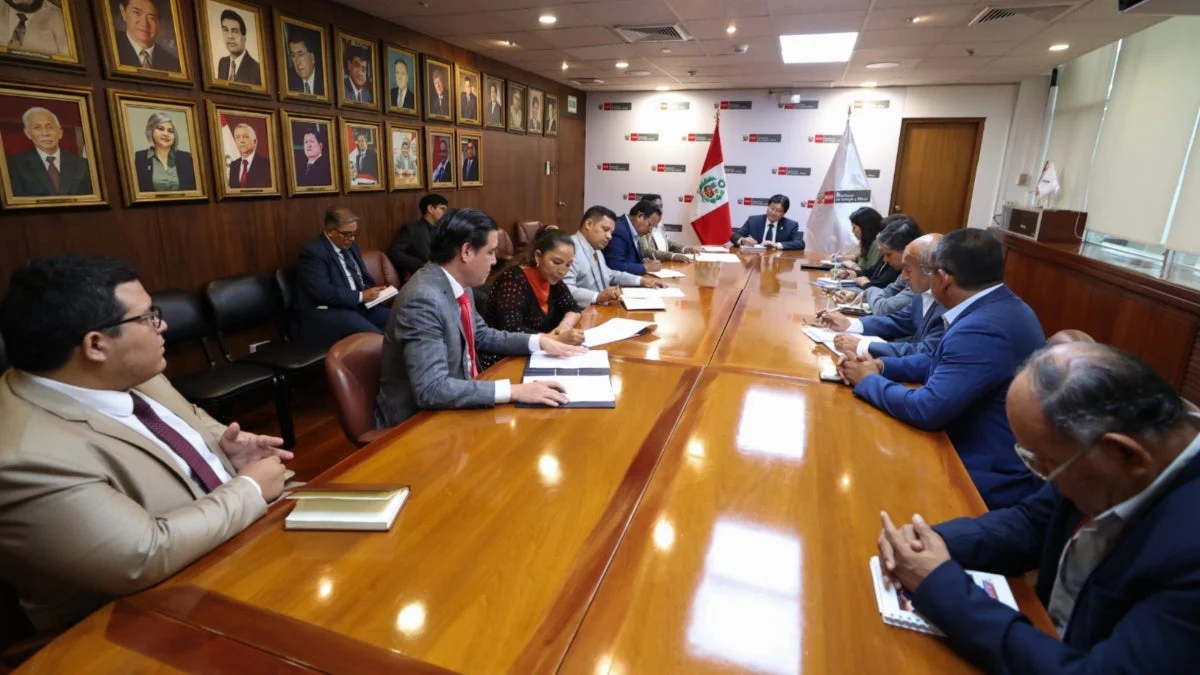
In a significant move to modernize the backbone of the Peruvian economy, the national government has officially decreed a comprehensive, 120-day reorganization of the Ministry of Energy and Mines (MINEM). This sweeping administrative measure, formalized through a supreme decree published in the official gazette El Peruano, marks a pivotal attempt to address chronic inefficiencies, bureaucratic gridlock, and systemic failures that have long plagued one of the country’s most critical sectors.
The reorganization is not limited to the ministry itself but extends to its vital adscribed public bodies, including the Geological, Mining, and Metallurgical Institute (INGEMMET) and the Peruvian Institute of Nuclear Energy (IPEN). As the nation grapples with the dual pressures of maintaining its global standing in mineral exports and accelerating rural energy access, this intervention signals a shift toward a more agile, streamlined, and responsive regulatory framework.
The Core Mandate: Eliminating Duplicity and Inefficiency
The primary objective of this administrative reform is to conduct a forensic analysis of the Ministry’s current operational architecture. For years, stakeholders have complained of "institutional fragmentation," where overlapping competencies between various departments have led to decision-making paralysis.
The government’s decree explicitly targets the removal of "duplicities, superpositions, and gaps" in functionality. By streamlining these processes, the administration hopes to resolve the persistent delays that currently hinder major investments. The reform will be conducted within existing budgetary parameters, ensuring that no additional resources are drained from the national Treasury, effectively forcing the Ministry to "do more with less" by maximizing existing internal capabilities.
Key Focus Areas for the Reform
- Infrastructure Execution: Accelerating the deployment of rural electrification projects, which have frequently stalled under current management.
- Administrative Expediency: Reducing the turnaround time for mining and energy permits, which are vital for attracting foreign direct investment.
- Environmental Oversight: Strengthening the procedures for environmental impact assessments to ensure compliance without sacrificing speed.
- Conflict Resolution: Improving the Ministry’s capacity to mediate and resolve socio-environmental conflicts, which frequently paralyze mining operations across the Andean regions.
Chronology of the Reorganization
The timeline for this transformation is strictly defined by the government to ensure accountability and measurable progress.
- Day 1 (Initiation): The process officially commences the day following the publication of the supreme decree. All units within MINEM, INGEMMET, and IPEN are mandated to begin internal audits.
- Day 60 (The Milestone): The Office of Planning and Budget of the Ministry is tasked with presenting an interim progress report to the High Command. This document will serve as a preliminary diagnosis of existing bottlenecks and a roadmap for initial corrective measures.
- Day 120 (Finalization): The culmination of the 120-day period will see the delivery of a comprehensive technical report. This document will detail the specific organizational reforms, structural changes, and policy adjustments required to ensure the Ministry functions with greater efficiency.
The Context: Why Now?
The decision to reorganize comes amidst growing pressure from both the private sector and civil society. For decades, the Ministry of Energy and Mines has been criticized for being a "bottleneck" rather than a facilitator of national development.
Observers have noted that the sector is currently suffering from a disconnect between its central offices and its adscribed agencies. When different agencies interpret regulations differently or claim overlapping jurisdiction over a single project, investors often find themselves caught in a cycle of administrative litigation. This creates an environment of uncertainty, which is arguably the greatest deterrent to the multi-billion-dollar investments required to modernize the nation’s mining infrastructure.
Furthermore, the government has acknowledged that the Ministry’s ability to communicate with local communities in the mining corridors has been insufficient. The failure to manage socio-environmental expectations effectively has led to frequent blockades and protests, which are often rooted in the perception that the government is either absent or incapable of enforcing standards.
Supporting Data and Institutional Limitations
To understand the scope of the problem, one must look at the data regarding project implementation. Over the past five years, the execution rate for rural electrification budgets has consistently fallen short of government targets. The reasons cited in internal evaluations include a lack of qualified personnel to oversee tender processes and a failure to coordinate with regional governments.
By conducting a "diagnostic of the sector," the government aims to identify exactly where the human and financial capital is being misallocated. The inclusion of INGEMMET and IPEN in this audit is particularly significant. These institutions are the scientific and technical arms of the Ministry. If they are not effectively integrated with the central regulatory bodies, the technical data they produce—such as geological mapping—is often ignored or underutilized in the policy-making process.
Official Responses and Political Stakes
The decree bears the signatures of the President and the Minister of Energy and Mines, underscoring the political weight of this decision. The administration has framed this as a "necessary structural surgery."
While the opposition has expressed caution, questioning whether a bureaucratic reshuffling is sufficient to solve deeper structural issues, the private sector has largely reacted with cautious optimism. Representatives from the National Society of Mining, Petroleum, and Energy have signaled that any effort to reduce "red tape" is a step in the right direction, provided that the technical expertise within these institutions is preserved and strengthened rather than dismantled.
Critics, however, point to the risk of "institutional instability." There is a concern that a 120-day reorganization process could lead to internal power struggles or the paralysis of ongoing administrative procedures as staff await the outcome of the final reform plan. The Ministry must balance the need for reform with the need to keep the gears of the nation’s primary economic engine turning.
Implications for the Future of Peru’s Mining Industry
The success of this reorganization will be judged by its ability to create a "one-stop" regulatory environment. If the government succeeds in harmonizing the functions of its adscribed agencies, it will significantly reduce the cost of doing business in Peru.
Moreover, the emphasis on "functional articulation" suggests that the government is preparing for a new phase of mining development, one that is more deeply integrated with environmental and social standards. The ability of the Ministry to respond to the "needs of the sector" is not just about helping companies; it is about ensuring that the state has the capacity to enforce environmental laws and manage the distribution of mining royalties more effectively.
Expected Outcomes:
- A "Lean" Ministry: Elimination of redundant bureaucratic layers that currently impede communication.
- Unified Regulatory Framework: A cohesive set of standards that apply across the board, reducing the scope for arbitrary administrative discretion.
- Enhanced Socio-Environmental Management: A more proactive, rather than reactive, approach to handling the social license to operate in mining regions.
- Improved Budgetary Execution: More effective utilization of public funds for infrastructure, directly translating into tangible benefits for the Peruvian populace.
Conclusion
The 120-day reorganization of the Ministry of Energy and Mines is a test of the administration’s resolve. It is a tacit admission that the status quo is unsustainable. By forcing the Ministry to look inward and address the "duplicities and gaps" that have defined its recent history, the government is attempting to build an institutional foundation capable of supporting the next decade of national growth.
Whether this reform results in a leaner, more efficient machine or merely adds another layer of administrative complexity remains to be seen. However, the clear timeline, the specific mandates for reporting, and the focus on cross-agency coordination suggest a serious intent to resolve the systemic issues that have historically held back Peru’s energy and mining sectors. As the countdown to the 120-day deadline begins, all eyes will be on the Ministry to see if it can indeed transform its internal culture and operational efficiency to meet the demands of a changing global economy.