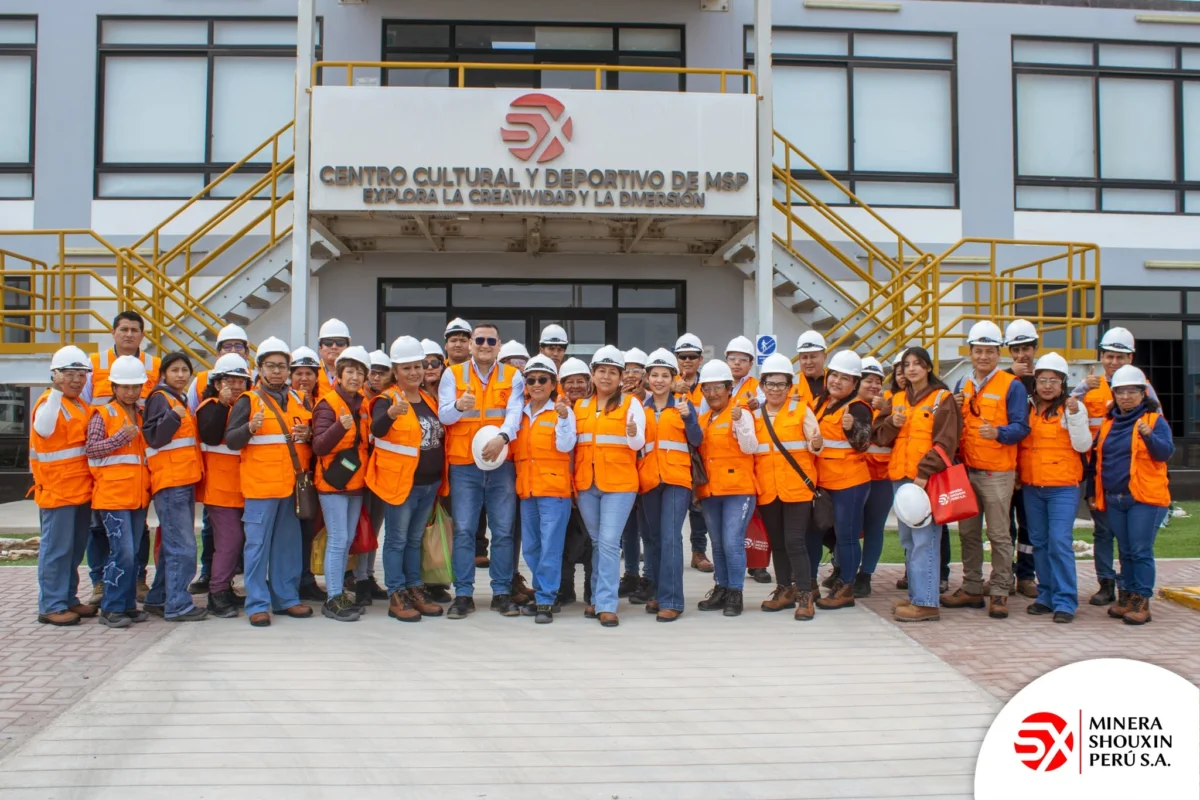
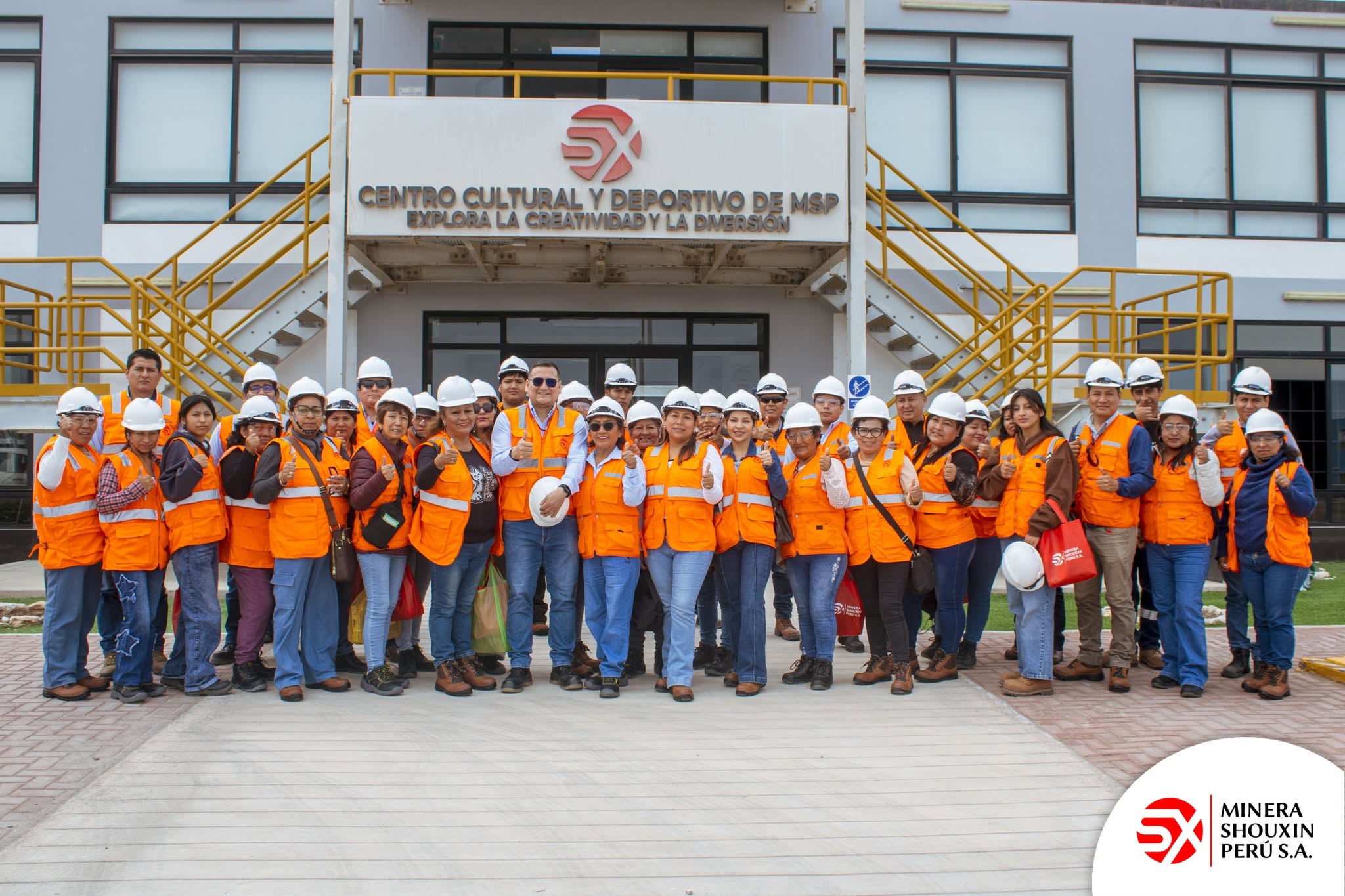
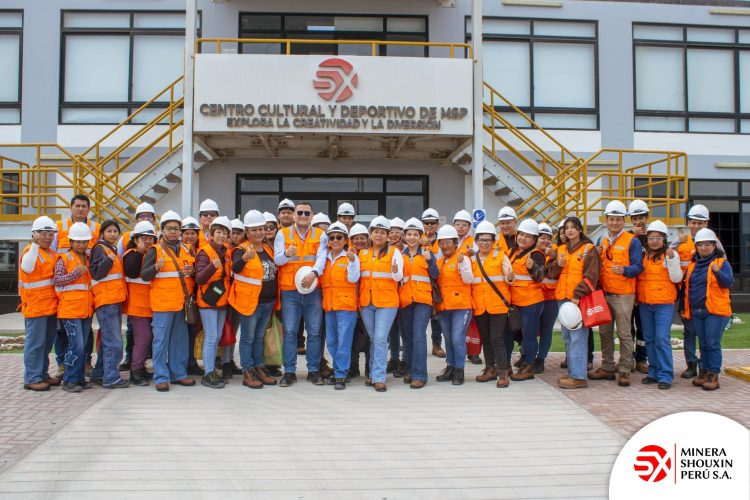
In a strategic effort to bridge the gap between industrial operations and local public perception, Minera Shouxin Perú recently conducted its second guided site visit of the year at its concentrator plant in Marcona. The event, which brought together key representatives from local social organizations and district institutions, serves as a cornerstone of the company’s ongoing mission to foster transparency and constructive engagement in a region defined by its long-standing mining history.
Main Facts: Opening the Gates to the Concentrator
The visit was designed to demystify the complex technical processes behind the company’s operations. Participants were invited to go beyond the perimeter fence and observe, firsthand, how the facility functions. The day began with a rigorous safety induction—a mandatory protocol for any industrial site—followed by an extensive briefing on the company’s environmental management strategies and the technical nuances of their mineral processing.
Minera Shouxin Perú plays a unique role in the regional industrial ecosystem. Unlike traditional mines that extract raw ore from the earth, the company focuses on the processing of iron tailings—a circular economy model that breathes new life into leftover material from the massive operations of Shougang Hierro Perú. This process, while economically vital, has historically been the subject of scrutiny regarding its environmental footprint and its impact on the local community. By allowing members of the public to witness the operation, the company aims to dispel myths and demonstrate the technological controls in place to mitigate potential risks.
Chronology: A Commitment to Persistent Engagement
The recent visit is not an isolated incident but part of a structured annual strategy.
- Early Year Initiatives: The first guided visit occurred several months ago, establishing the template for the current outreach program. During that initial session, the company faced a diverse group of stakeholders, many of whom arrived with significant reservations about the plant’s environmental compliance.
- The Intervening Months: Between the first and second visits, Minera Shouxin Perú has been under active observation by environmental regulators and local social pressure groups. This period has been marked by increased communication channels, including technical forums and town hall-style meetings.
- The Second Visit: Held in the latter half of the year, this latest installment saw a more refined approach to the tour, incorporating feedback from the previous session to ensure that the technical explanations were accessible and that the Q&A sessions were more structured to address specific concerns.
Looking ahead, the company has publicly stated its intention to maintain this rhythm of openness. By turning these visits into a recurring event, Minera Shouxin aims to normalize the presence of the community within the facility, shifting the dynamic from one of suspicion to one of informed oversight.
Supporting Data: The Complexity of the Marcona Mining Landscape
Marcona is a district where the identity of the population is inextricably linked to mining. However, this history is also marked by cycles of social tension.
The Environmental and Social Nexus
The core of the tension in Marcona involves the balance between industrial productivity and the preservation of the local ecosystem. The processing of iron tailings is inherently messy; it requires water management, dust suppression, and precise handling of chemical inputs. For local residents, particularly those living near the industrial corridor, these factors are not merely academic—they are daily realities.
According to industry analysts, the success of companies like Minera Shouxin in such sensitive areas depends on their "social license to operate." This is a qualitative, intangible asset that is earned through continuous demonstration of good faith. The company’s recent efforts are a direct response to the "fiscalization" or regulatory scrutiny they have faced, which included audits by environmental authorities following complaints from neighborhood associations.
Economic Contributions
It is important to acknowledge the role of Minera Shouxin in the regional economy. By processing tailings, the company provides consistent employment and creates a multiplier effect for local service providers. The challenge, therefore, is to ensure that these economic benefits do not come at the cost of the community’s quality of life. The data presented during the site visits—which included air quality monitoring reports and water usage statistics—was specifically chosen to address these long-standing environmental concerns.
Official Responses: Addressing the Critics
During the site visit, the floor was opened to the public for a comprehensive Q&A session. Representatives from the company were tasked with responding to a wide range of inquiries, some of which were highly technical and others deeply personal.
"We recognize that trust is not built in a single day," noted one company spokesperson during the debriefing. "Our objective with these guided visits is to show that we have nothing to hide. We are committed to operating within the standards set by Peruvian law and international best practices, and we believe that the best way to prove that is to invite the community to see our systems in action."
The company’s management has emphasized that they are aware of the "tensions" that have existed for decades in Marcona. Their strategy is one of "radical transparency," where they invite the very people who have expressed concern to be the ones who verify the progress of their environmental mitigation efforts. This shift from defensive posturing to proactive inclusion is a significant change in the company’s corporate governance.
Implications: The Future of Mining-Community Relations
The initiative taken by Minera Shouxin Perú holds several implications for the broader mining sector in Peru and Latin America:
1. From Conflict to Collaboration
The traditional model of mining relations in Peru has often been characterized by litigation and protest. By fostering direct, face-to-face dialogue, companies can reduce the information asymmetry that often leads to conflict. When the community understands the technical constraints and the actual processes involved, the room for misinformation to flourish decreases.
2. The Power of "Technical Literacy"
By inviting social leaders and community members into the plant, the company is effectively raising the "technical literacy" of the local population. When community members understand how dust suppression systems or water recycling plants work, they become more effective advocates for their own interests, moving the conversation from general slogans to specific technical requirements.
3. Strengthening the Social License
For Minera Shouxin, the ultimate implication is the long-term sustainability of their business. In an era where ESG (Environmental, Social, and Governance) criteria are paramount for investors and regulators alike, a company that proactively invites scrutiny is a company that is better prepared to navigate future crises.
4. A Template for the Industry
The success of this program will likely be watched by other operators in the region. If Minera Shouxin can prove that these visits lead to a measurable reduction in social unrest and a more stable operating environment, the "open-door policy" may become the gold standard for mining operations across the country.
Conclusion: A Long Road Ahead
The journey toward a harmonious relationship between the mining industry and the community of Marcona is far from over. Decades of history cannot be rewritten in a few sessions, nor can the inherent complexities of industrial processing be fully resolved through site visits alone. However, the commitment shown by Minera Shouxin Perú in hosting these sessions signifies a crucial shift in perspective.
By choosing to invite the community into their workspace, the company is acknowledging that they are not an isolated entity, but a neighbor. The success of this initiative will ultimately be judged not by the frequency of the tours, but by the tangible improvements in environmental conditions and the sustained growth of trust between the company and the residents of Marcona.
As the industry moves forward, the "Shouxin model" of engagement offers a vital lesson: in a sector often defined by its physical footprint, the most important work is often done in the spaces between people. By continuing to prioritize dialogue, transparency, and education, Minera Shouxin is positioning itself to be a leader in the next generation of responsible mining in Peru.