Main Facts: The Exchange Rate Update
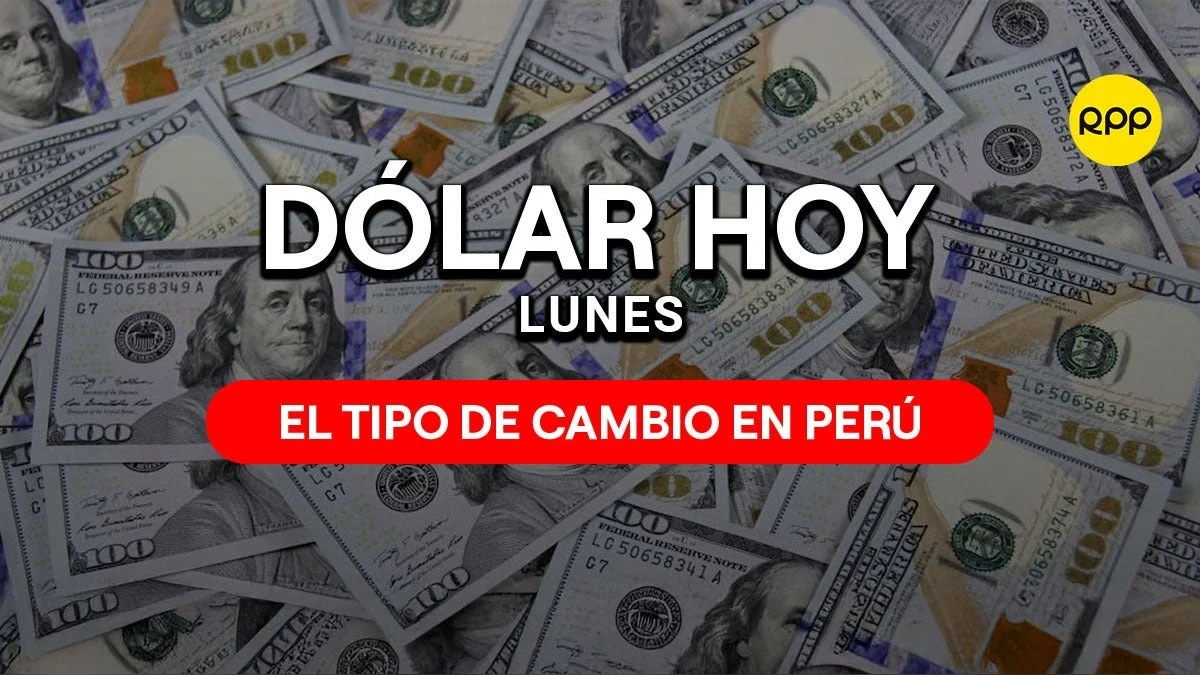
As of Monday, August 17, the exchange rate in Peru stands at S/3.37 per U.S. dollar, according to data provided by the Central Reserve Bank of Peru (BCRP). This figure serves as a vital benchmark for the Peruvian economy, influencing everything from the price of imported fuel and technology to the monthly installments on housing loans for thousands of families.
The exchange rate is not merely a number on a screen; it is the pulse of the national economy. In a country that has historically embraced a "bimonetary" system, the daily fluctuations of the dollar act as a primary indicator of market stability, investor confidence, and the purchasing power of the Peruvian sol.
The Anatomy of a Bimonetary Economy
To understand why the Peruvian public pays such close attention to the dollar, one must first understand the structural integration of the U.S. currency within the domestic market. Unlike many other nations where the domestic currency is the exclusive medium of exchange, Peru operates with a dual-currency mindset.
What is the Dollar’s Role?
The U.S. dollar is the undisputed king of international trade. In Peru, its influence extends far beyond the borders of import-export businesses. It is deeply embedded in the financial architecture of the nation:
- Corporate Finance: Large-scale corporate debt is frequently denominated in dollars, making the exchange rate a critical factor in corporate balance sheets.
- Asset Preservation: For decades, Peruvian households have viewed the dollar as a "refuge asset" during times of political or economic uncertainty.
- Commodity Pricing: Essential imports—including gasoline, wheat, and industrial machinery—are priced in dollars, meaning any depreciation of the sol translates directly into inflationary pressure for the average consumer.
Chronology of Market Dynamics
The journey of the Peruvian sol against the dollar has been one of resilience, though not without periods of significant volatility.
Historical Context and Stability
In the early 1990s, Peru underwent radical economic reforms that stabilized the hyperinflationary environment of the late 80s. The adoption of a floating exchange rate regime, managed by the BCRP, allowed the market to determine the value of the sol while the Central Bank intervened only to prevent excessive volatility.
- The Early 2000s: A period of sustained growth saw the sol appreciate as commodity prices, particularly copper, soared.
- The 2008 Financial Crisis: Like many emerging markets, Peru faced a temporary spike in dollar demand as investors fled to "safe havens."
- The Mid-2010s to Present: The market has faced headwinds from global trade tensions and, more recently, the impact of global health crises. The rate of S/3.37 reflects a period of consolidation where the BCRP has successfully managed to keep inflationary expectations anchored within its target range of 1% to 3%.
Supporting Data: Why the S/3.37 Benchmark Matters
The significance of the exchange rate is best understood through the lens of economic data. The Central Reserve Bank of Peru maintains a high level of international reserves, which acts as a "war chest" to defend the currency if speculative attacks occur.
Impact on the Banking Sector
Currently, a significant portion of the Peruvian loan portfolio is denominated in dollars. For a family with a mortgage in dollars, a sudden devaluation of the sol means their monthly payment increases in local currency terms. This "balance sheet effect" is a major concern for the Superintendency of Banking, Insurance, and AFP (SBS), which strictly regulates the risks banks take regarding currency mismatches.
The Inflationary Link
The correlation between the dollar and inflation in Peru is direct. Because the country imports a vast array of consumer goods, a weaker sol makes these goods more expensive. This is known as "pass-through inflation." When the dollar rises, the price of gasoline at the pump often follows, leading to a rise in transportation costs, which then cascades into the prices of food and basic services.
Official Responses and Monetary Policy
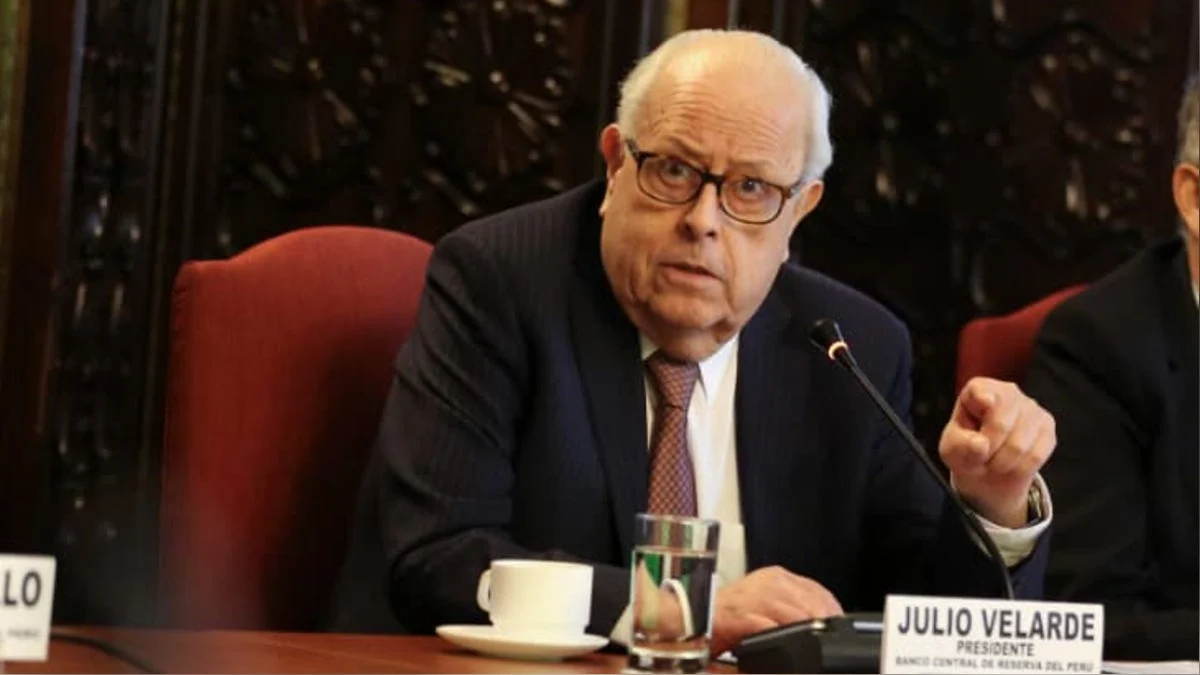
The Central Reserve Bank of Peru (BCRP), led by its board of directors and specialized technical teams, employs a variety of tools to ensure the exchange rate does not trigger systemic instability.
The Role of the BCRP
The BCRP operates under a "managed float" system. This means they do not fix the price of the dollar, but they do intervene. If the market shows signs of panic-buying, the BCRP sells dollars from its reserves to increase supply and dampen the price increase. Conversely, if there is an excess of dollars, they purchase the currency to prevent the sol from appreciating too rapidly, which would hurt the competitiveness of Peruvian exporters.
Strategic Communication
Official statements from the BCRP serve as a psychological anchor for the market. By clearly communicating its commitment to low inflation and fiscal responsibility, the Central Bank reduces the "noise" that often leads to irrational currency fluctuations.
Implications for the Peruvian Household and Enterprise
For the average citizen, the dollar is more than an economic concept—it is a factor in their daily survival.
Decision Making for Families
The volatility of the exchange rate forces families to become amateur economists. Understanding when to save in soles versus dollars is a common discussion in Peruvian households. Financial experts often advise that if a person’s income is in soles, their debt should also be in soles to avoid the risk of exchange rate fluctuations.
Challenges for Businesses
For small and medium-sized enterprises (SMEs), the dollar is often a double-edged sword. While it facilitates international trade, the lack of sophisticated hedging tools (like forward contracts) available to large corporations makes SMEs particularly vulnerable to daily price shifts.
Future Outlook: Navigating Uncertainty
Looking forward, the stability of the sol will depend on several factors, including global copper prices, the fiscal health of the Peruvian state, and the global monetary policy of the U.S. Federal Reserve.
Global Trends
As the U.S. Federal Reserve adjusts interest rates, global capital tends to move toward the United States, putting pressure on emerging market currencies like the Peruvian sol. However, Peru’s strong fiscal position and history of responsible monetary policy provide a buffer that many other nations lack.
The Digital Evolution
The rise of digital banking and fintech in Peru is also changing how citizens interact with the dollar. New platforms are making it easier for individuals to exchange currency at competitive rates, reducing the margins historically held by traditional banks and money changers.
Conclusion: A Balanced Perspective
The exchange rate of S/3.37 represents more than just a figure; it is a testament to the complex interplay between a developing nation’s ambitions and the realities of a globalized economy. For the Peruvian citizen, staying informed is the best defense against market volatility. By understanding the role of the BCRP, the mechanics of inflation, and the importance of currency matching in debt, Peruvians can better protect their financial futures.
While the dollar will continue to be a dominant force in the Peruvian financial landscape, the resilience of the sol—supported by sound economic governance—remains the backbone of the nation’s stability. As we look ahead, the ability of the country to maintain this balance will be the true measure of its economic maturity in an increasingly interconnected and unpredictable world.
Disclaimer: This report is for informational purposes only and does not constitute financial advice. Market conditions are subject to rapid change; readers are encouraged to consult with financial professionals for personal investment decisions.