Introduction: A Pattern of Conduct
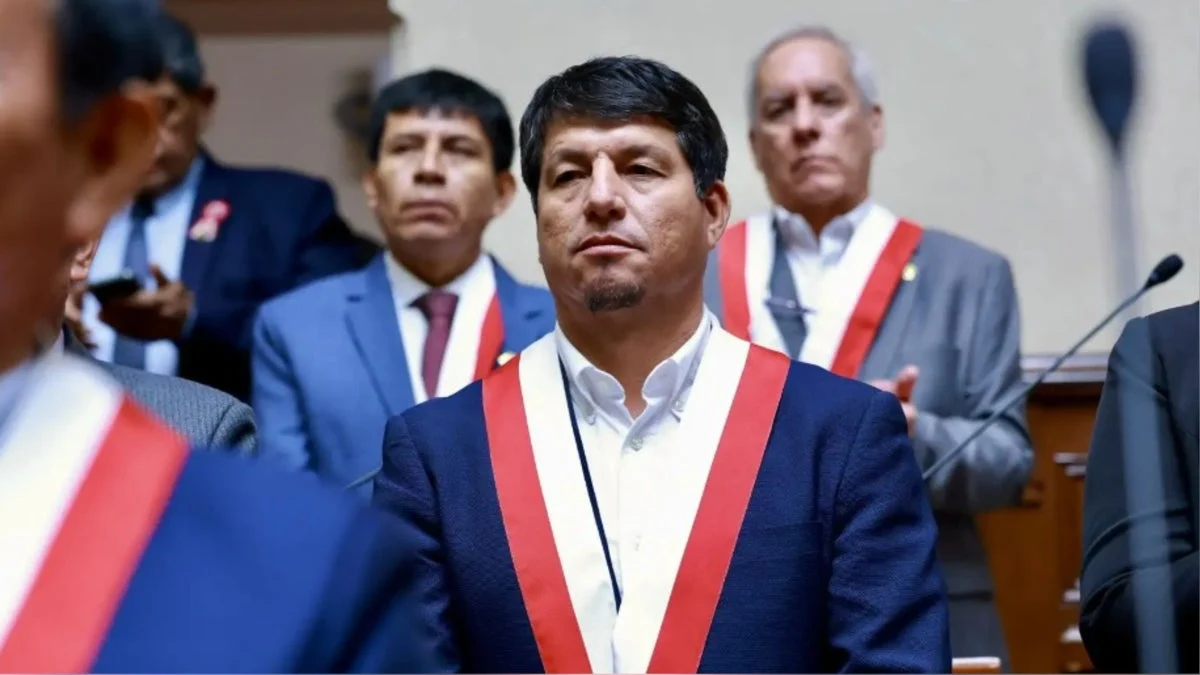
In a political landscape where public trust is increasingly fragile, the conduct of elected officials serves as a barometer for the integrity of democratic institutions. Recent investigative reporting by the television program Panorama has cast a long shadow over the tenure of Julián Pérez Mallqui, a current member of the Juntos por el Perú bench. Documents uncovered by the investigative team have brought to light a history of criminal allegations and incarcerations that span over two decades, raising urgent questions regarding the vetting processes for legislative candidates and the ethical standards expected of those in power.
The revelations center on a previously undisclosed period of incarceration in 2001, but they are far from an isolated incident. When viewed alongside recent brushes with the law—including a 2024 arrest for vehicular negligence and a high-profile domestic violence charge—a concerning pattern of behavior emerges. This report examines the evidentiary record, the timeline of these events, and the broader implications for the Peruvian legislative branch.
The 2001 Ayacucho Case: Theft of Agricultural Assets
The investigation primarily focused on events that occurred in the early 2000s, when a 26-year-old Julián Pérez Mallqui was embroiled in a legal battle involving the misappropriation of humanitarian resources.
The Allegations
According to official judicial documentation, the case against Pérez Mallqui stemmed from the illicit appropriation of equipment belonging to Win Rock International, a non-governmental organization (NGO) dedicated to rural development. The stolen property included three professional-grade chainsaws and various other essential agricultural tools. These assets were not merely private property; they were earmarked for technical support programs intended to empower impoverished farming communities within the VRAEM (Valley of the Apurímac, Ene, and Mantaro Rivers) region.
The theft was viewed by local authorities as a significant setback for the agricultural development of a region already struggling with socioeconomic instability and the remnants of decades-long conflict.
The Incarceration
On July 16, 2001, a formal warrant was issued for the arrest of Pérez Mallqui under the charge of aggravated theft. Two days later, on July 18, he was processed and admitted into the Yanamilla Penitentiary, located in the Huamanga province of Ayacucho.
The investigative team at Panorama managed to secure testimony from a former fellow inmate who was housed in the women’s section of the same mixed-use facility. The witness, speaking on the condition of anonymity, described a social environment where inmates interacted in common areas, such as the patio of Pavilion B, where sports and recreational activities were held. "We used to play sports there—men versus women," the witness recalled, noting that she remembered Pérez Mallqui distinctly because he was known for attempting to court other inmates during his stay.
Pérez Mallqui remained in custody until December 14, 2001, at which point he was released after receiving a suspended sentence.
Chronology of Legal Incidents
To understand the scope of the concerns surrounding the legislator, one must view his history in a longitudinal context. The following timeline outlines the key legal milestones identified in the Panorama report and subsequent official records:
- July 2001: Pérez Mallqui is arrested and incarcerated in the Yanamilla Penitentiary, Ayacucho, on charges of aggravated theft regarding NGO-donated equipment.
- December 2001: Released from prison following a suspended sentence.
- February 2024: Arrested on charges of "lesiones culposas" (culpable injury). The incident involved a vehicular accident in the La Convención province of Cusco, where he allegedly struck a minor with his vehicle.
- July 30, 2024: Arrested in flagrante delicto for physical and verbal assault against his former partner at her residence in the district of San Miguel, Lima. This arrest occurred just days before his formal swearing-in as a member of Congress.
Supporting Data and Evidence
The investigative report relies on two pillars of evidence: primary judicial documentation and corroborated eyewitness testimony.
Judicial Documentation
The records obtained by Panorama act as the bedrock of the allegations. By cross-referencing the intake logs of the Yanamilla Penitentiary with court records from 2001, the journalists established a definitive link between the current lawmaker and the criminal proceedings of his youth. These documents negate any possibility that the incarceration was a case of mistaken identity or a bureaucratic error.
The Witness Account
While judicial records establish the "what" and "where," the testimony provides the "context." The anecdotal evidence provided by the former inmate serves to humanize the record, confirming that Pérez Mallqui was not merely a transient name in a file, but an active participant in the daily life of the prison system. This evidence challenges any potential defense that the lawmaker might offer regarding a lack of awareness of the legal consequences he faced in 2001.
Official Responses and Public Silence
A defining feature of this scandal has been the reaction—or lack thereof—from the protagonist himself. When approached by Panorama reporters seeking comment on the 2001 incarceration, Pérez Mallqui adopted a policy of silence, declining to offer a statement or a clarification.
This strategy of non-disclosure has been a consistent trait in his dealings with the press. Even when faced with more recent, and arguably more severe, allegations regarding his conduct in 2024, his public remarks have been minimal. Regarding the domestic violence charge in San Miguel, his public statements were brief, defensive, and failed to address the core allegations of violence, instead focusing on the political framing of the incident.
The Juntos por el Perú bench has faced mounting pressure to issue a formal stance on these revelations. As of this writing, there has been no comprehensive internal review or ethics committee referral, placing the party in a precarious position regarding its commitment to vetting candidates who claim to represent social justice and the marginalized.
Implications for the Legislative Branch
The situation involving Julián Pérez Mallqui carries significant implications for the integrity of the Peruvian Congress.
The Question of Vetting
The most immediate implication is the failure of the electoral vetting process. If a candidate can ascend to the national legislature while holding a record that includes multiple arrests and a prior stint in prison, the mechanisms designed to filter out individuals with serious criminal backgrounds are clearly inadequate. This case highlights a "transparency gap" that allows candidates to obscure their pasts until they are already in positions of power.
Institutional Credibility
Every controversy involving a sitting legislator chips away at the already low approval ratings of the Congress. When a representative is accused of domestic violence or vehicular negligence, the legislative body loses the moral authority to legislate on public safety or gender-based violence. The presence of members with such records creates an environment of cynicism among the electorate, which can lead to increased political apathy and a sense of alienation from the democratic process.
The Ethics of Representation
The specific nature of the 2001 theft—stealing tools meant for VRAEM farmers—is particularly damaging. As a representative, one is expected to be a steward of the public trust and an advocate for the most vulnerable. For an official to have a history of stealing from the very demographic he is now tasked with representing creates an irreconcilable ethical conflict. It suggests a history of prioritizing personal gain over the collective well-being, a trait that is fundamentally incompatible with the duties of a legislator.
Conclusion: A Call for Accountability
The case of Julián Pérez Mallqui is more than a series of unfortunate legal encounters; it is a diagnostic indicator of the state of political culture in Peru. As the public demands greater accountability, the burden now shifts to the legislative leadership and the Juntos por el Perú party.
Can a legislator effectively represent the people when their own history is marked by the very actions they are sworn to prevent? The silence from the deputy, combined with the gravity of the evidence presented by Panorama, suggests that this issue will continue to be a focal point of public debate. For the sake of institutional integrity, a transparent, thorough, and decisive response is not only expected—it is essential. The future of public trust in the legislative process may well depend on how this case is handled in the coming months.