Introduction: A Global Deficit and a Regional Opportunity
As the global economy accelerates its transition toward decarbonization, the demand for critical minerals has reached a fever pitch. At the heart of this transformation lies copper—the "metal of electrification." According to industry experts and recent market projections, the world is heading toward a significant supply-demand imbalance. Roque Benavides, Chairman of the Board of Compañía de Minas Buenaventura, recently emphasized that this impending deficit represents a once-in-a-generation economic opportunity for Peru, and specifically for its resource-rich southern macro-region.
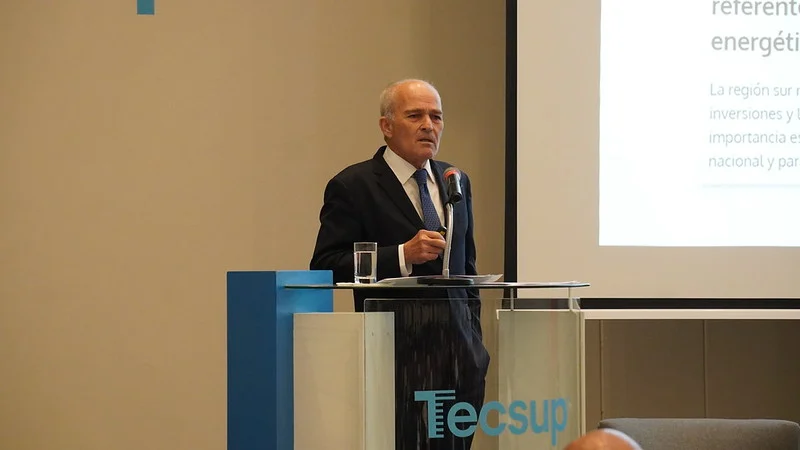
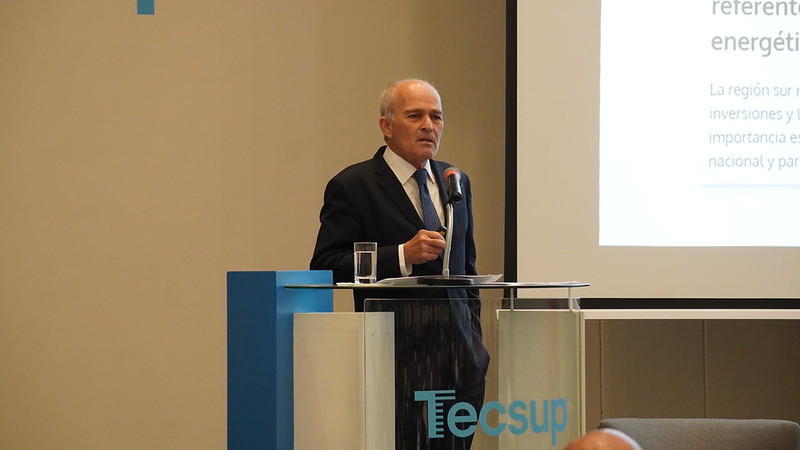
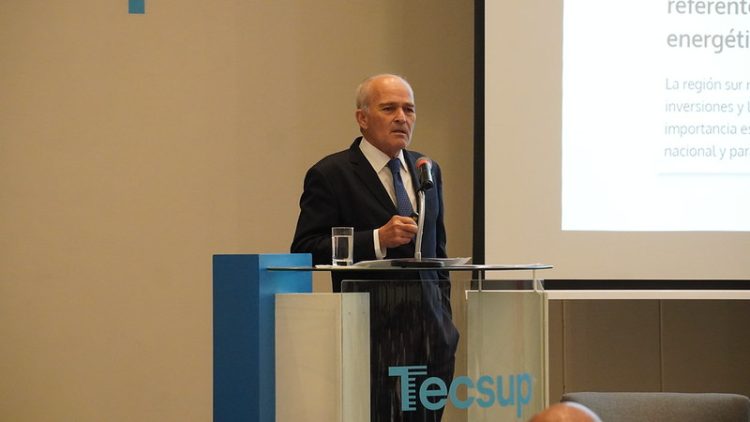
During the Jueves Minero Descentralizado held in Arequipa, Benavides articulated a vision where Peru’s geological wealth aligns perfectly with the world’s insatiable need for energy-transition metals. With the global copper market projected to face a 35% supply deficit by 2035, Peru stands at a crossroads: it can either accelerate the development of its vast project pipeline or risk missing the most significant commodity super-cycle in modern history.
Main Facts: The Mathematics of the Copper Crunch
The core argument for Peru’s urgent mining expansion is grounded in hard data. During the recent Prospectors & Developers Association of Canada (PDAC) convention, major industry players, including Teck Resources, presented data forecasting a 35% global copper deficit by 2035.
The Mechanics of Demand
The surge in demand is not speculative; it is structurally embedded in the global energy shift. Benavides highlighted several key factors:
- Electric Vehicles (EVs): An electric vehicle requires approximately four times the amount of copper compared to a traditional internal combustion engine vehicle. As global automotive markets pivot to EVs, this creates a sustained, high-volume baseline demand.
- Renewable Energy Infrastructure: Solar panels, wind turbines, and the massive expansion of electrical grids all require intensive copper cabling and components.
- Technological Expansion: Beyond transportation, the proliferation of data centers, AI-driven infrastructure, and automated industrial systems is creating a surge in electricity consumption that necessitates vast upgrades to electrical transmission and distribution networks—all copper-heavy endeavors.
"We don’t need to be economists to understand that if there is a 35% deficit, the price of copper will rise," Benavides noted. "This is a direct benefit for regions like Arequipa and the entire south of Peru, which sit on some of the world’s most significant reserves."
Chronology: From Exploration to Production
The development of a mining project is a long-term commitment that spans decades. Understanding the trajectory of Peru’s mining sector requires looking at the current state of its project pipeline:
- The Exploration Foundation: Peru currently hosts a robust portfolio of approximately 80 exploration projects, the majority of which are focused on copper. This stage is vital for identifying "blind" deposits—those that do not present surface outcrops—which represent the future of the industry.
- The Development Pipeline: With 66 major mining projects currently in the national portfolio, representing a total investment value of roughly US$ 64 billion, the country has a roadmap for growth.
- The Production Plateau: Currently, Peru produces between 2.6 and 2.7 million tons of copper annually. While this makes Peru the second-largest producer in the world, experts argue that current production levels are significantly below the country’s geological potential.
- The 2035 Horizon: The industry is currently in a race to bring these projects to the "feasibility" and "construction" phases to ensure they are online by the time the projected 35% supply deficit peaks in 2035.
Supporting Data: The Southern Macro-Region
The southern region of Peru acts as the backbone of the national mining sector. The concentration of mineral wealth in this geography is a competitive advantage that few other nations can replicate.
Regional Dominance
- Project Concentration: Approximately 43.8% of Peru’s entire national mining project portfolio is located within the southern macro-region, encompassing Arequipa, Moquegua, Cusco, and Apurímac.
- Reserve Ranking: Peru currently holds the second-largest copper reserves on the planet. This position is reinforced by the ongoing discovery of new deposits, suggesting that the true extent of Peru’s wealth remains untapped.
- Economic Impact: The US$ 64 billion in potential investment represents not just capital, but the modernization of regional infrastructure, the creation of thousands of high-quality jobs, and the development of local supply chains.
Official Responses and Strategic Perspectives
Roque Benavides has consistently advocated for a "mining-first" approach to national development. His perspective, echoed by many in the mining sector, is that the social license to operate and economic development are inextricably linked.
The Call to Action
Benavides argued that the southern region—Arequipa, in particular—deserves a higher level of development than it has seen in recent years. By "putting these projects into value," the country can bridge the gap between resource ownership and social welfare.
"We must apply more technology and provide more opportunities to the young people of our country," Benavides stated. "Mining is not just about extracting ore; it is about creating an ecosystem of innovation, technical training, and sustainable regional development."
The Regulatory Challenge
While the data supports a massive expansion, the industry faces headwinds, including bureaucratic bottlenecks, environmental permitting complexities, and the need for greater social engagement. The consensus among industry leaders is that the government must accelerate the permitting process for exploration and construction. Without a streamlined administrative framework, the capital required to build these multi-billion dollar projects may flow to more business-friendly jurisdictions, leaving Peru’s copper in the ground.
Implications: The Road Ahead
The implications of the 2035 copper deficit for Peru are profound, touching on national security, global climate commitments, and domestic social stability.
Global Energy Security
As the world seeks to move away from fossil fuels, the success of the global energy transition will depend heavily on the supply of copper. Peru, as a tier-one supplier, is a cornerstone of this transition. By scaling production, Peru is not just boosting its GDP; it is acting as a global facilitator of green technology.
Domestic Economic Prosperity
The potential US$ 64 billion in investments represents a transformative influx of capital. If successfully managed, this could:
- Reduce Poverty: Direct investment in mining operations has historically provided the most significant source of formal employment in rural, high-altitude regions of the Andes.
- Infrastructure Development: Large-scale mining projects often necessitate the construction of roads, power lines, and water treatment facilities, which benefit local communities long after a mine has closed.
- Technological Modernization: The shift toward "Smart Mining"—incorporating automation, AI, and digital twins—will require a new generation of skilled workers, effectively raising the technical floor of the Peruvian workforce.
The Risk of Stagnation
Conversely, the "opportunity cost" of inaction is high. If Peru fails to capitalize on this window, the country risks losing its global market share to emerging competitors in Africa or other parts of Latin America. Furthermore, if the economic benefits of mining are not clearly translated into tangible improvements in the quality of life for the southern regions, the industry will continue to face social friction.
Conclusion: A Strategic Imperative
The message from the Jueves Minero in Arequipa is clear: the market is sending a signal that copper will be the defining commodity of the next decade. Peru has the reserves, the expertise, and the geographical concentration to meet this demand. The path forward requires a unified effort between the state, the private sector, and local communities to unlock the 66 projects currently awaiting their turn to drive the nation’s economy.
As the world prepares for the 2035 deficit, Peru’s ability to act decisively will determine whether it remains a leading player in the global energy transition or merely a bystander to a market boom it was uniquely positioned to lead. The mining sector is ready, the global demand is surging, and the blueprint for prosperity is written in the geology of the southern Andes. Now, it is a matter of implementation.