Transforming the Gold Supply Chain: World Gold Council and Dynacor Forge Strategic Alliance to Formalize Artisanal Mining
by
In a landmark move for the global gold industry, the World Gold Council (WGC) and Dynacor Group Inc. have officially entered into a memorandum of understanding (MoU). This strategic partnership aims to overhaul the often-opaque sector of Artisanal and Small-Scale Mining (ASM) by implementing rigorous formalization frameworks, enhancing environmental protections, and creating a reliable pipeline for responsibly sourced gold to reach global markets.
As the industry faces increasing pressure from regulators, investors, and consumers to ensure the ethical provenance of precious metals, this collaboration seeks to bridge the gap between small-scale miners—who provide livelihoods for millions—and the institutional requirements of the international gold trade.
The Core Mandate: Bridging the Gap in Global Gold Supply
The ASM sector is a critical economic engine in many developing nations, particularly across Latin America and Africa. However, it is frequently plagued by informality, environmental degradation, and the illicit trade of gold. The WGC-Dynacor partnership is designed to tackle these systemic issues by combining the WGC’s authority in setting global standards with Dynacor’s proven operational expertise in processing ore from small-scale miners.
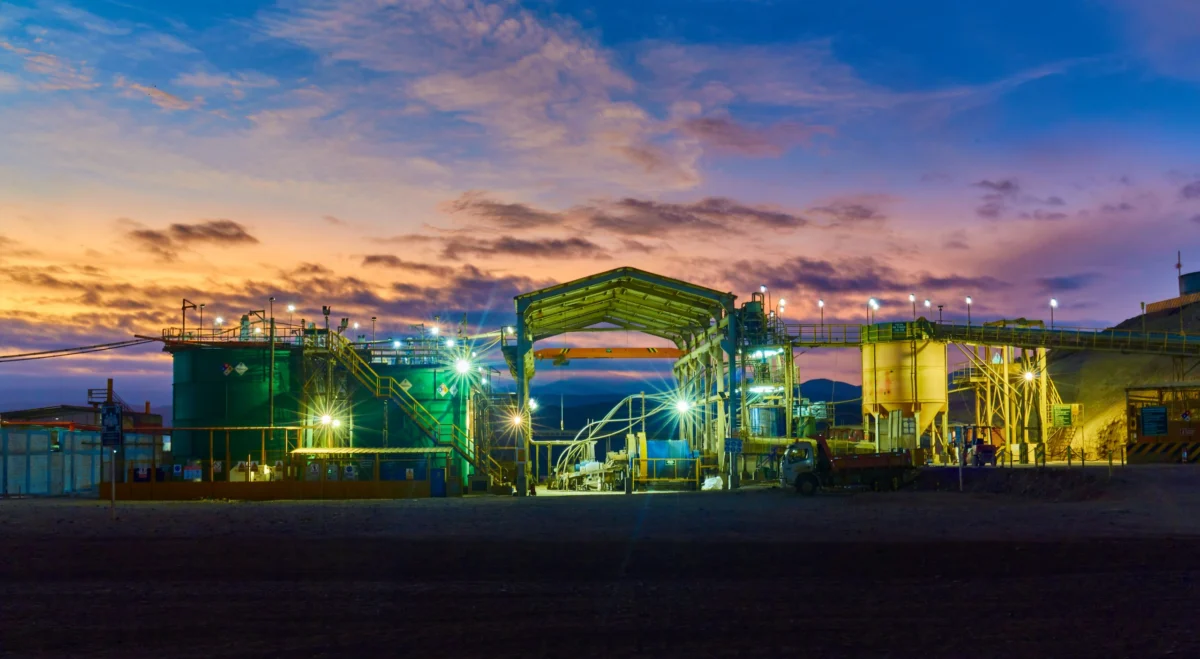
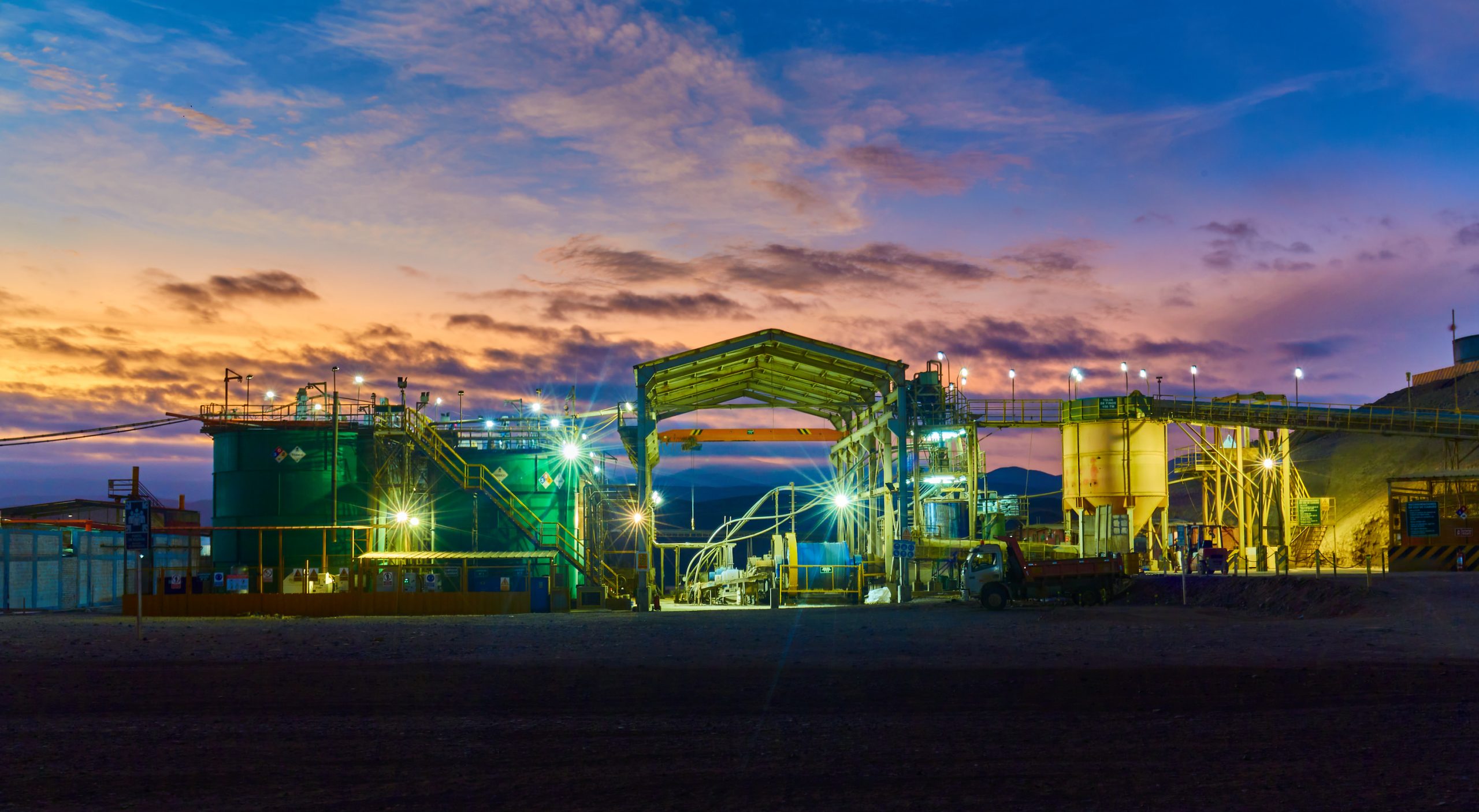
At the heart of this initiative is the Gold Processing Initiative (GPI), a WGC-led model that promotes the use of centralized processing plants. By providing artisanal miners with access to efficient, legal, and environmentally conscious processing facilities, the initiative seeks to eliminate the need for primitive, mercury-intensive techniques and ensure that the gold produced meets international compliance standards.
Chronology: Building the Foundation for Responsible Sourcing
The road to this partnership has been paved by years of evolving industry expectations and Dynacor’s steady growth as a leader in the ASM processing space.
Early 2000s – 2010s: The global discourse shifts toward supply chain transparency. The World Gold Council begins developing comprehensive ESG (Environmental, Social, and Governance) standards for the industry.
The Dynacor Model: Throughout the last decade, Dynacor establishes itself as a pioneer in the Peruvian market, demonstrating that a profitable business model can be built on the ethical purchase and processing of ore from legally registered artisanal miners.
Late 2024 – Early 2025: Discussions between the WGC and Dynacor intensify as both organizations recognize the need for a scalable, globalized version of the "Dynacor model" to address the lack of infrastructure in emerging markets.
July 2025: The signing of the MoU marks the formalization of this relationship, signaling a shift from individual corporate efforts to a broader, industry-wide strategy for systemic change.
Supporting Data and Strategic Objectives
The collaboration focuses on five core pillars that aim to professionalize the ASM sector:
1. Standardization of Processing Plants
The partners intend to develop a universally recognized set of best-practice principles for gold processing facilities. These standards will serve as a global benchmark, ensuring that any plant adhering to them operates with maximum efficiency and minimum environmental impact.
2. Environmental and Social Stewardship
A primary goal is the reduction and eventual elimination of mercury—a toxic element frequently used in illicit mining. By providing centralized, modern processing, the partners ensure that tailing management and chemical usage are strictly controlled and monitored.
3. Supply Chain Transparency and Traceability
The initiative incorporates high-tech verification of origin. This allows participants to prove the "clean" status of their gold, a prerequisite for selling into high-value, regulated global markets.
4. Anti-Money Laundering (AML) Compliance
In partnership with governments and international regulatory bodies, the initiative aims to build a framework for robust due diligence. This includes rigorous checks on the miners themselves, ensuring that only legitimate, non-conflict-affiliated ore enters the supply chain.
5. Mobilizing Capital
Perhaps the most ambitious objective is the effort to attract institutional and private equity to the ASM sector. By establishing a clear, standardized, and transparent framework, the WGC and Dynacor aim to de-risk the sector, making it an attractive destination for impact investors.
Official Responses: Aligning for Global Impact
The leadership behind this partnership views the MoU as a vital turning point for the gold industry.
David Tait, CEO of the World Gold Council, emphasized the scalability of the model:
"This collaboration represents an important step toward creating a scalable and practical pathway to formalize the artisanal and small-scale mining of gold. By combining responsible processing infrastructure, solid standards, traceability, and improved market access, we have the opportunity to support miners, strengthen the integrity of the supply chain, and build a more transparent and inclusive gold ecosystem that can be replicated in many countries."
Daniel Misiano, President and CEO of Dynacor Group, highlighted the alignment with his company’s international expansion:
"This memorandum of understanding reflects our commitment to achieving a responsible global ASM processing business, fostering greater opportunities for legitimate ASM production to be integrated into the formal supply chain. As we embark on our international expansion, the agreement highlights the growing institutional support for our business model and reaffirms our ability to drive long-term growth through close collaboration with a wide range of stakeholders."
Implications: A New Era for Artisanal Mining
The implications of this partnership extend far beyond the balance sheets of the two organizations. If successful, the WGC-Dynacor alliance could trigger a ripple effect across the global gold market.
Economic Empowerment for Local Communities
By formalizing the supply chain, artisanal miners gain access to fair market pricing. In the current informal system, miners are often exploited by intermediaries who pay well below the market rate for their gold. A formal, transparent process ensures that the value created at the mine site remains in the community.
Institutionalizing the "Formal" Gold Market
Institutional investors have historically shied away from the ASM sector due to the high risks associated with human rights abuses, environmental damage, and illicit financing. By creating a standardized, "certified" process for gold, the WGC and Dynacor are effectively opening the door for large-scale institutional capital to flow into the sector, which is essential for the construction of modern processing plants in Africa, Latin America, and Southeast Asia.
Setting the Global Standard
The development of a globally recognized standard for processing plants could eventually lead to a "Gold Standard" label for artisanal gold. Similar to Fairtrade certification in other commodities, this would allow end-consumers—from jewelry buyers to electronics manufacturers—to purchase gold with the confidence that it was mined responsibly and processed ethically.
Challenges and Future Outlook
Despite the optimism surrounding this partnership, the road ahead is complex. Formalization requires not just corporate will, but the active cooperation of sovereign governments, many of which struggle with governance issues in remote mining regions.
Furthermore, the transition to formal, centralized processing requires significant upfront capital expenditure. Success will depend on the ability of the WGC and Dynacor to successfully "sell" this model to international financial institutions and development banks.
However, the collaboration provides something that has been missing for decades: a concrete roadmap. By aligning the interests of miners, processors, and global gold consumers, the WGC and Dynacor have laid the groundwork for a transition that could finally bring the world’s most significant informal mining sector into the light of the formal global economy.
As Dynacor continues its expansion, the lessons learned in their established operations in Peru will be tested on a global stage. The partnership with the World Gold Council provides the institutional credibility necessary to turn these tests into a global standard, potentially transforming the lives of millions of artisanal miners and ensuring the gold they produce is recognized as a force for good in the global economy.