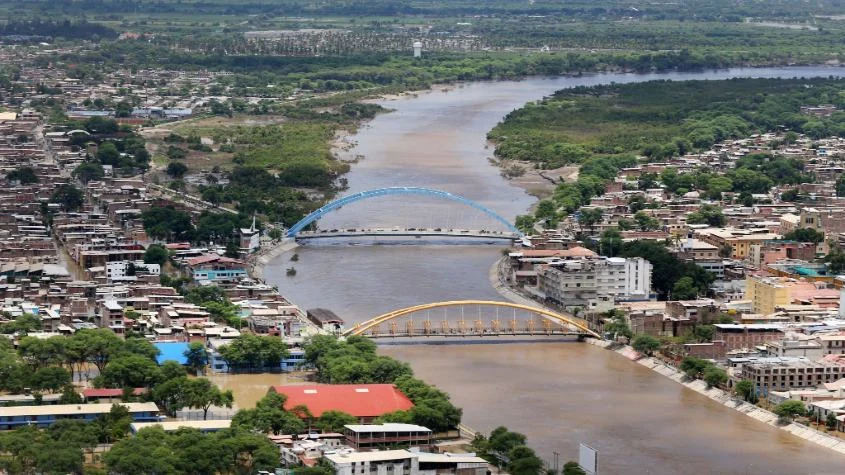
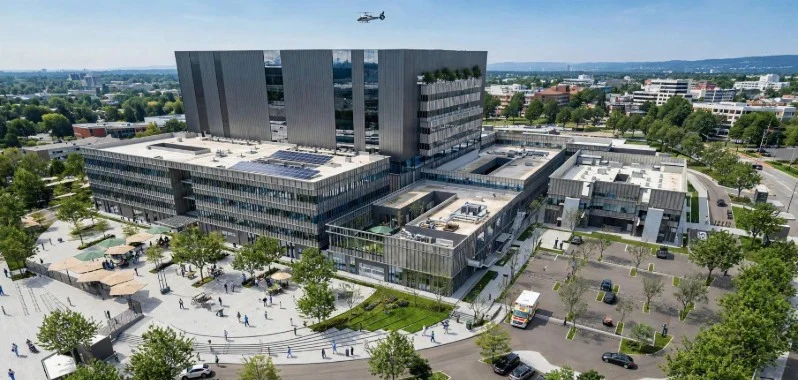
The skyline of Comas is undergoing a transformative shift. As the construction of the new Hospital Nacional Sergio E. Bernales progresses, the project stands as a testament to the Peruvian government’s commitment to modernizing the national healthcare infrastructure. With an investment exceeding S/ 1,807 million, this state-of-the-art facility is set to become a cornerstone of health services for the Lima Norte region, promising to bridge long-standing gaps in medical accessibility for over 873,000 citizens.
Supervised by the National Program for Health Investments (Pronis), under the Ministry of Health (MINSA), the project has recently undergone rigorous onsite inspections to ensure that construction milestones are being met with the precision required for high-complexity medical facilities.
Main Facts: A Landmark Investment in Public Health
The Hospital Nacional Sergio E. Bernales project is not merely an expansion; it is a complete reimagining of medical capacity in one of Lima’s most densely populated districts. The financial commitment of over S/ 1,807 million underscores the scale of this intervention.
Key Project Specifications:
- Target Population: 873,000+ residents in Lima Norte.
- Executing Entity: Pronis (Ministry of Health).
- Execution Model: Government-to-Government (G2G) agreement with France.
- Infrastructure Type: High-complexity hospital.
- Strategic Features: Incorporation of seismic isolation technology and sustainable architectural design.
The facility is designed to address the critical shortage of high-complexity care in the northern cone of Lima, providing a modern environment equipped with advanced diagnostic tools, specialized surgery suites, and a significantly expanded bed capacity to handle both routine and emergency medical needs.
Chronology: From Planning to Foundation
The journey toward the new Hospital Sergio E. Bernales has been marked by meticulous planning and strategic international collaboration.
1. Conceptualization and Procurement
The decision to utilize the Government-to-Government (G2G) model with France was a strategic move aimed at ensuring transparency, technical expertise, and the integration of international best practices in hospital design. By partnering with the French government, Peru sought to minimize bureaucratic delays and ensure that the hospital meets European safety and efficiency standards.
2. The Contingency Phase
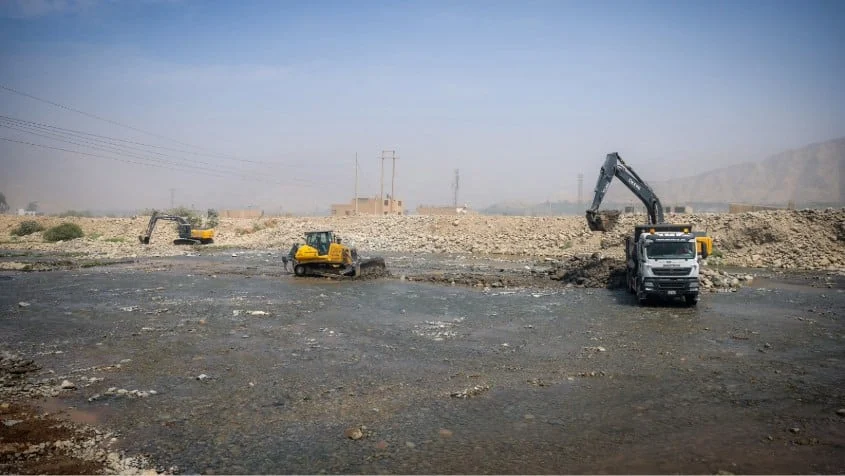
Before the main structural work could begin, the project required the implementation of extensive "contingency works." These are vital to ensure that existing medical services at the current site remain operational while the new facility is being erected around them. This phase involved site preparation, utility relocation, and the creation of temporary facilities to maintain patient care continuity.

3. Current Status: Foundation and Seismic Preparation
During a recent site visit by Senator Ruth Luque, officials confirmed that the project is currently in a critical phase of construction: the completion of the foundation for the main hospital structure. The engineering team is preparing to install seismic isolators, a technological imperative for public infrastructure in Peru, given the country’s high earthquake risk. These isolators will provide the necessary structural resilience to keep the hospital fully functional even in the event of a major seismic disaster.
Supporting Data: Why Lima Norte Needs This Facility
The necessity for this hospital is backed by demographic and health data. Lima Norte has seen rapid, often unplanned, urban expansion over the last two decades. While the population density has surged, the public healthcare infrastructure has historically lagged behind, leading to overcrowding, long wait times, and a lack of access to specialized medical equipment.
The Impact of Modernization
- Advanced Medical Technology: The new facility will house specialized diagnostic units, reducing the need for patients to travel to the center of Lima for imaging and laboratory services.
- Surgical Capacity: The inclusion of multiple high-tech operating rooms will significantly decrease the backlog of elective and emergency surgeries.
- Sustainability: The architectural design includes energy-efficient systems, waste management protocols, and sustainable building materials, setting a new benchmark for "green" public hospitals in Peru.
Official Responses and Political Oversight
The recent supervision visit by Senator Ruth Luque highlights the importance of legislative oversight in major public works. During the visit, the senator assessed not only the physical progress of the foundation but also the adherence to the project’s timeline and budget.
The Role of Pronis and the G2G Model
Pronis has maintained that the G2G model with France is the primary driver of the project’s technical success. By leveraging French engineering expertise, the Peruvian government has managed to bypass common pitfalls of public works, such as procurement disputes and design inconsistencies.
"The supervision of these works is essential to ensure that the S/ 1,807 million investment is translated into quality healthcare for the people of Comas," noted representatives involved in the oversight process. They emphasized that the project is being managed with strict transparency protocols to prevent the delays that have historically plagued major infrastructure projects in the region.
Implications: A New Era for Healthcare in Lima
The completion of the Hospital Nacional Sergio E. Bernales will have profound implications for the socio-economic health of Lima Norte.
1. Economic Relief for Families
Currently, many families in Comas and surrounding areas incur significant travel costs and lost wages when accessing specialized healthcare. By centralizing high-complexity care in their district, the government is effectively redistributing wealth by reducing the indirect costs of illness.

2. Strengthening the Regional Health Network
This hospital will not act in isolation. It is intended to function as the head of a regional network, receiving referrals from smaller health centers in the northern districts. This will create a more efficient "referral-counter-referral" system, ensuring that patients receive the right level of care at the right time.
3. Setting a National Precedent
If successful, the execution of the Hospital Sergio E. Bernales through the G2G model could serve as the blueprint for future public health infrastructure projects across Peru. It proves that with international cooperation and rigorous onsite management, complex projects can move from the drawing board to reality.
Conclusion: The Path Forward
As the foundation is finalized and the seismic isolators are prepared for installation, the community of Comas watches with anticipation. The Hospital Nacional Sergio E. Bernales represents more than just concrete and steel; it represents the promise of dignity and health security.
While construction is always subject to the complexities of logistics and environmental factors, the current pace of work and the high level of institutional oversight provide confidence that this project will meet its goals. For the 873,000 citizens waiting for this facility, the progress is a clear signal that the transformation of their healthcare landscape is well underway. As the project enters its next phase of vertical construction, the focus will remain on maintaining the momentum, ensuring safety, and upholding the high standards of a project that is destined to save countless lives for generations to come.
The successful delivery of this hospital will be a landmark achievement for the current administration, demonstrating that when public investment is prioritized and managed with international expertise, the results can be truly transformative for the nation.