Introduction: A Sleeping Giant of Digital Infrastructure
In the sprawling geography of Peru, where the Andes mountains and the Amazon rainforest create formidable barriers to communication, the Red Dorsal Nacional de Fibra Óptica (RDNFO) was envisioned as the "digital backbone" of the nation. Designed to bridge the digital divide, this massive infrastructure project spans 22 regions, promising high-speed internet and data connectivity to the most remote corners of the country. However, nearly a decade after its inception, this ambitious project remains a paradox: it is the most critical piece of telecommunications infrastructure in the country, yet it sits largely dormant, underutilized, and in desperate need of a sustainable operational strategy.
As the Ministry of Transport and Communications (MTC) grapples with the technical and financial realities of this asset, the government has set a definitive deadline of November to determine the future management of the network. The goal is clear: to transition from a state of provisional maintenance to a robust, long-term operational model that finally delivers on the promise of national digital inclusion.
Chronology: From Grand Ambition to Administrative Stagnation
To understand the current crisis, one must look back at the origins of the project and the missteps that led to its present state of underutilization.
2014: The Launch
The RDNFO was conceived as a cornerstone of Peru’s technological modernization. In 2014, the state awarded the concession to Azteca Comunicaciones. The project aimed to connect 22 regional capitals and provide the "middle mile" infrastructure necessary for private operators to reach rural areas.
2014–2021: The Economic Mismatch
The primary failure of the initial model was the pricing structure. The concession contract set a rigid, fixed tariff for data transport. As global and local technology advanced, private operators began offering significantly more competitive prices. Because the RDNFO’s rates were locked into a non-competitive model, the network failed to attract commercial interest. By the end of its tenure, the network was operating at less than 10% of its total capacity.
2021–2022: State Intervention
Faced with a failing service and a crumbling business model, the MTC officially terminated the contract with Azteca Comunicaciones in 2021. By 2022, the Peruvian state, through the Pronatel (National Program of Telecommunications), assumed direct control over the operation and maintenance of the network. This was intended to be a temporary measure to prevent a total collapse of the system while a long-term solution was drafted.
2024: The Deadline for Decision
Today, the network is characterized by aging infrastructure and maintenance backlogs. Recognizing that the state is not a telecommunications operator by trade, the current administration has initiated an urgent evaluation process to decide the fate of the network before the end of November 2024.
Official Perspectives: The Path Forward
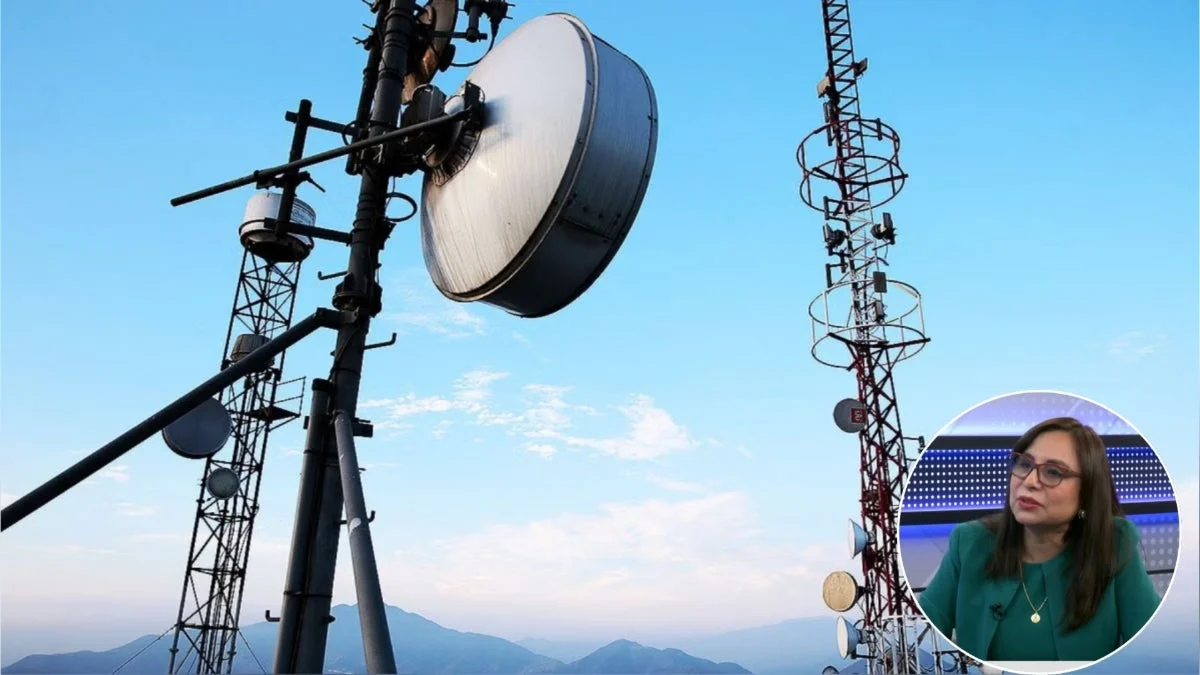
Dalia Suárez, the Deputy Minister of Communications, recently provided clarity on the government’s stance during an interview with RPP’s Economía para Todos. Her comments underscore a sense of urgency regarding the "revaluation" of this national asset.
"It is a national asset; the question is who manages it," Suárez remarked. She emphasized that the MTC is currently collaborating with specialized consulting firms to conduct a comprehensive cost-benefit analysis. This study aims to determine the exact expenditure required to maintain the fiber optic network across its entire national length.
The Three Scenarios
According to the Deputy Minister, the government is weighing three primary alternatives for the future management of the RDNFO:
- Direct State Administration: Retaining control under an optimized government-led management model, likely involving internal reforms to improve efficiency.
- Private Outsourcing: Engaging a specialized third-party operator to manage technical maintenance and operational logistics, while the state retains ownership.
- Full Concession: Re-tendering the project to a private entity under a new, modern, and flexible contract that avoids the pricing errors of the 2014 agreement.
The Ministry’s decision will hinge on three pillars: fiscal availability, maintenance costs, and the socio-economic benefits—specifically, the capacity to expand connectivity to underserved rural populations.
Supporting Data: The Cost of Underutilization
The RDNFO is not merely a collection of cables; it is an economic driver. However, the data surrounding its current performance is sobering.
- Capacity Gap: The network is currently utilizing only a fraction of its total throughput. While designed to carry high-speed data across 22 regions, the lack of commercial uptake means that the investment-to-return ratio is currently negative for the taxpayer.
- Maintenance Debt: Due to the transition period and the lack of a long-term operator, several nodes across the network have suffered from lack of maintenance, leading to physical deterioration.
- The "Middle Mile" Problem: The RDNFO serves as the "middle mile." Without its functionality, private telecom companies cannot cost-effectively reach the "last mile"—the households, schools, and clinics in rural provinces. This creates a bottleneck that prevents the deployment of 4G and 5G services in regions that need them most.
Implications: Why the RDNFO Matters for Peru’s Future
The implications of failing to fix the RDNFO extend far beyond simple internet access. In the modern era, connectivity is synonymous with basic rights.
1. Healthcare and Telemedicine
Peru’s rural healthcare system relies heavily on the ability to transmit patient data, diagnostics, and medical records to urban centers. A fully functional RDNFO would allow for real-time telemedicine, enabling doctors in Lima to consult on surgeries or chronic conditions in remote regions.
2. Security and Public Service
The state’s ability to coordinate police activities, border security, and emergency services is compromised when communication channels are unstable. Interconnecting police stations and regional government offices via a robust, state-backed fiber network is a matter of national security.
3. Economic Inclusion
Small businesses and agricultural collectives in rural regions are currently cut off from e-commerce and digital banking platforms. By "putting the network in value," as the Deputy Minister stated, the government is not just fixing a technical issue; it is creating the digital infrastructure necessary for rural economic development.
Technical Challenges and Strategic Solutions
The MTC’s current strategy involves more than just selecting an operator; it involves a technical overhaul.
Modernization of Nodes
Many of the network’s original components are becoming obsolete. The MTC is evaluating the budget required to upgrade these nodes, ensuring they are capable of handling modern data demands. This is not just a repair job; it is a modernization project intended to ensure the network remains relevant for the next 15 to 20 years.
The Role of Specialized Operators
A key takeaway from the failure of the 2014 contract is the need for technical expertise. The government recognizes that managing a national fiber network is a highly specialized task. Whether through a Public-Private Partnership (PPP) or a service contract, the MTC is prioritizing firms with proven experience in maintaining high-capacity infrastructure.
Conclusion: The November Deadline
As November approaches, the pressure on the Ministry of Transport and Communications is mounting. The RDNFO is a testament to the fact that infrastructure projects—no matter how well-intentioned—are only as successful as their management models.
The government now finds itself at a critical juncture. The decision made in the coming weeks will determine whether the Red Dorsal remains a symbolic failure or becomes the engine of Peru’s digital transformation. By prioritizing a sustainable, cost-effective, and technically sound management strategy, the MTC has the opportunity to unlock the vast potential of this network, finally bringing the benefits of the digital age to the millions of citizens who have been left behind.
The path ahead requires a delicate balance of fiscal responsibility and social vision. As Deputy Minister Dalia Suárez indicated, the government is no longer looking for temporary fixes; it is looking for a long-term commitment to connectivity that will serve the Peruvian people for generations to come. The era of the "sleeping giant" must end; the era of active, national connectivity must begin.