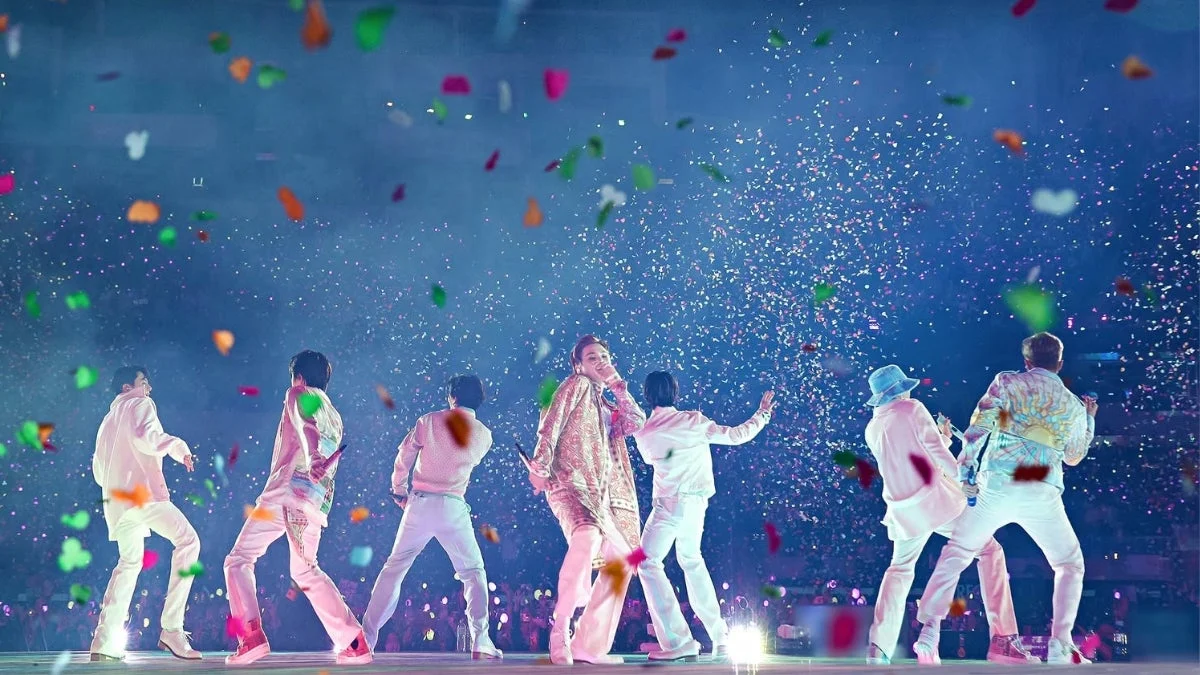
The cultural landscape of Lima is bracing for a historic surge in tourism and economic activity this coming October. As the global K-pop phenomenon BTS prepares to descend upon the Peruvian capital for a trio of highly anticipated performances at the Estadio San Marcos on October 7, 9, and 10, the Ministry of Foreign Trade and Tourism (Mincetur) has released a comprehensive forecast highlighting the transformative impact this event will have on the city’s economy.
With an estimated 150,000 attendees across the three dates, the "BTS effect" is expected to ripple far beyond the concert venue. Mincetur’s latest report underscores that the event will act as a major catalyst for the tourism sector, drawing over 50,000 visitors from both domestic provinces and international borders.
Main Facts: A Economic Milestone for Lima
According to official data from the General Directorate of Research and Studies on Tourism and Crafts (DGIETA), the three-day spectacle is projected to generate an economic impact of approximately US$ 18.7 million. This figure is not merely a reflection of ticket sales, but a holistic measurement of the spending habits of fans who will require lodging, transportation, dining, and other tourism-related services.
The breakdown of this economic infusion is multifaceted:
- US$ 8.1 million attributed to receptive (international) tourism.
- US$ 9.9 million generated by internal (domestic) tourism.
- US$ 0.76 million contributed by internal excursionists.
The scale of this influx is unprecedented for a single musical act in Peru, highlighting the country’s growing capacity to host major international touring events and the significant purchasing power of the "ARMY"—the dedicated global fanbase of the group.
Chronology: The Road to the October Residency
The planning for these concerts has been a massive logistical undertaking, spanning months of negotiations and infrastructure preparations.
- Early 2026 (Announcement Phase): The initial confirmation of the dates (October 7, 9, and 10) triggered a massive surge in travel inquiries and hotel bookings.
- Mid-2026 (Infrastructure Planning): Mincetur and the municipal authorities began coordinating comprehensive vehicular deviation plans and street closures around the Estadio San Marcos to ensure public safety and traffic flow.
- September 2026 (Final Preparation): As the concert dates approach, local businesses in hospitality and retail have ramped up inventory and staffing to accommodate the expected 50,000-plus visitors.
- October 7–10, 2026 (Event Period): The city will operate under a specialized security and tourism strategy, with the peak of economic activity expected as fans arrive in the days preceding the first show.
Supporting Data: Demographics of the Audience
The reach of the BTS phenomenon in Peru is reflected in the diverse origin of the attendees. The data provided by Mincetur paints a picture of a nation unified by music, with significant representation from all major regions.
Domestic Representation
Roughly 28,000 attendees are expected to travel from other regions within Peru. The breakdown of this domestic migration is as follows:
- Arequipa: 21.3% of domestic buyers.
- Trujillo: 11.9%.
- Cusco: 7.8%.
- Chiclayo: 7.5%.
- Piura: 4.5%.
- Tacna: 4.1%.
- Ica: 3.8%.
- Other Regions (Cajamarca, Iquitos, etc.): 39.1%.
International Representation
The global draw of the band is undeniable, with approximately 8,500 international attendees representing over 5.7% of the total ticketed audience. The primary international markets contributing to this inflow include:
- Ecuador: 27.9% (The largest international cohort).
- Mexico: 12.2%.
- Bolivia: 10.6%.
- United States: 9.1%.
- Chile: 6.8%.
- Others (Costa Rica, Brazil, etc.): 33.4%.
This data confirms that the concert series will position Lima as a regional hub for music tourism, attracting fans who might otherwise have traveled to cities like Bogotá, Santiago, or Buenos Aires.
Official Responses: Government Optimism
The government views this event as a critical opportunity to showcase Peru’s tourism infrastructure. Minister of Foreign Trade and Tourism, Rogers Valencia, expressed his optimism regarding the logistical coordination and the potential for long-term growth in the sector.
"The arrival of these visitors over the three dates will generate a significant demand for tourism and transport services to Lima," Minister Valencia stated in an official release. "This represents a prime opportunity for businesses linked to the care of these travelers and contributes to the dynamic activity of the capital’s tourism sector."
The Ministry has emphasized that the benefits will be felt across the entire service chain—from boutique hotels and local hostels to the culinary scene and transportation networks. By facilitating a seamless experience for these 50,000 visitors, the government hopes to leave a positive impression that encourages return visits and promotes Peru as a premier destination for large-scale international entertainment.
Implications for the Capital’s Infrastructure
The influx of 50,000 extra people into a city as dense as Lima requires more than just economic planning; it requires a rigorous approach to urban management.
Transportation and Security
Authorities have already implemented a comprehensive traffic plan. Streets surrounding the Estadio San Marcos will be restricted to authorized vehicles, and public transit will be reinforced to handle the massive movement of people during the night hours. The focus is on preventing the "chokepoint" effect that typically occurs during mega-events.
The Hospitality Sector
The hospitality industry is arguably the largest beneficiary. With over 36,500 visitors expected to stay at least one night, occupancy rates in districts such as Miraflores, San Isidro, and the area surrounding the university campus are expected to reach near-capacity. Hotels are currently incentivizing longer stays by offering "BTS-themed" packages, which include guided tours of Lima’s historical center and culinary excursions, further inflating the economic impact beyond the concert walls.
Long-term Economic Strategy
Economists suggest that the success of these concerts could serve as a "proof of concept" for the Peruvian government. If the city can effectively manage the surge in visitors without compromising security or quality of life for residents, it could lead to an increase in high-profile bids for other global artists, effectively turning Lima into a permanent fixture on the international stadium tour circuit.
Conclusion: A New Era for Peruvian Event Tourism
As the calendar approaches October, the anticipation in Lima is palpable. The numbers provided by Mincetur—the $18.7 million in revenue, the 50,000-plus visitors, and the international prestige—underscore that the BTS concert series is more than just a musical event; it is a major economic engine.
For the local economy, the event is a test of resilience and a golden opportunity to demonstrate the professionalism of the Peruvian tourism industry. For the thousands of fans, it is a once-in-a-lifetime experience. For the government, it is a strategic step toward cementing Lima’s status as a key destination in the global tourism market. As the stage is built and the logistics are finalized, all eyes in South America will be on the Peruvian capital this October.