By Political Correspondent
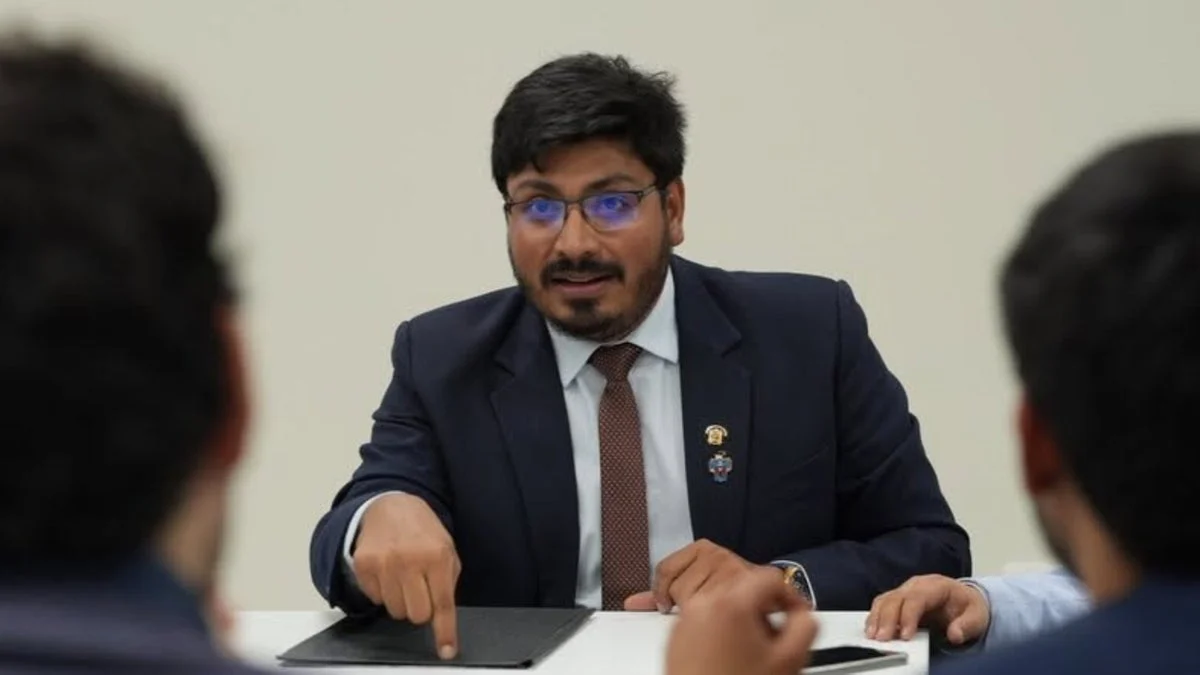
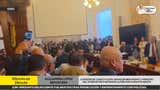
The delicate balance of power between Peru’s Executive and Legislative branches reached a breaking point this Saturday during a high-stakes session of the Senate’s Constitution Commission. What was intended to be a routine analysis of the government’s request for extraordinary legislative faculties—aimed at curbing rising national insecurity—devolved into a volatile confrontation between the Minister of the Interior, César Astudillo, and Senator Iber Maraví.
The incident, which resulted in the temporary suspension of the session, has triggered a wave of political reactions, with President Keiko Fujimori firmly positioning herself behind her cabinet minister, characterizing the dispute as a broader ideological battle for the future of the nation.
Main Facts: The Anatomy of a Parliamentary Clash
The primary objective of the Senate session was to review the legal framework requested by the Executive to bolster its anti-crime efforts. However, the atmosphere turned toxic shortly after the Cabinet’s presentation concluded.
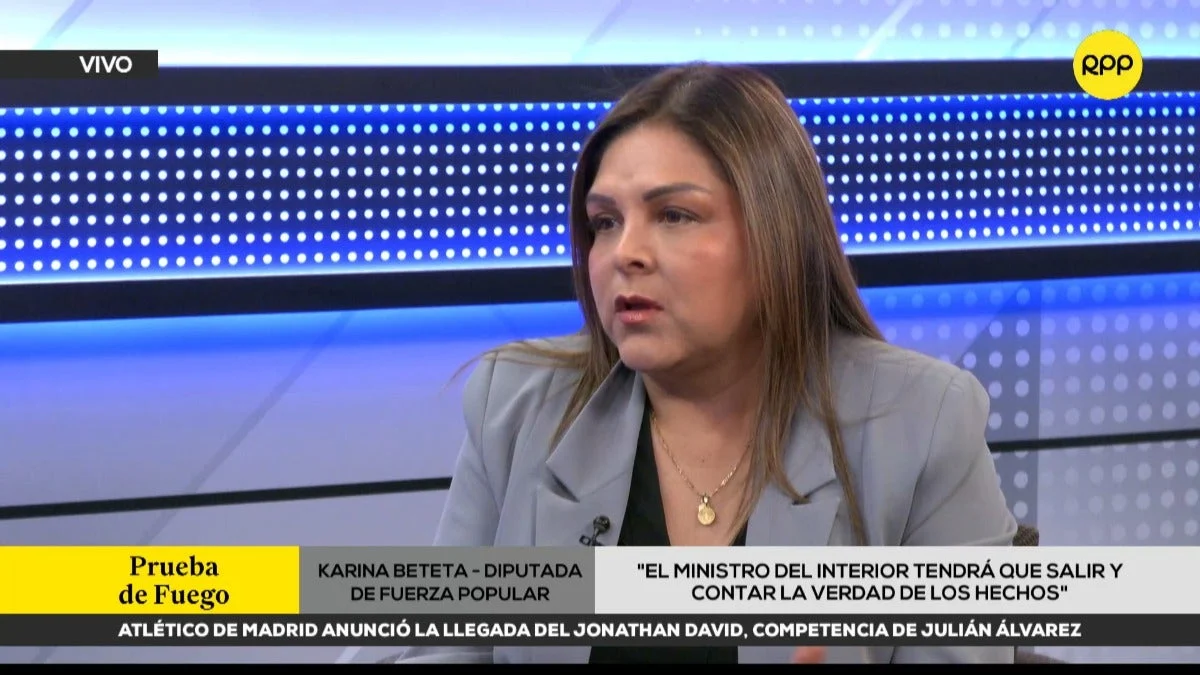
According to reports from the floor, the confrontation ignited when Senator Ruth Luque was interrupted during her address. Minister César Astudillo, reportedly frustrated by the line of questioning, interjected in a manner that members of the opposition described as "prepotente" (arrogant) and "totally discourteous."
Senator Iber Maraví, acting on behalf of his colleague, intervened to demand that the commission chair uphold decorum and prevent the Executive from stifling parliamentary debate. The situation spiraled rapidly. Maraví alleged that Minister Astudillo responded with aggressive body language and verbal barbs, creating a scene that necessitated an immediate halt to the proceedings.
Chronological Breakdown of the Incident
To understand the severity of the rift, one must look at the sequence of events as they unfolded on Saturday:
- The Presentation: The Executive team, led by Interior Minister Astudillo, presented the technical justification for the requested legislative powers.
- The Interruption: As Senator Ruth Luque began her critique, Minister Astudillo attempted to interrupt her. The move was perceived by the opposition as an attempt to bypass the legislative oversight process.
- The Intervention: Senator Iber Maraví rose to challenge the Minister’s conduct, calling for the Chair of the Commission to maintain order and protect the right of lawmakers to speak.
- The Escalation: The verbal sparring between Maraví and Astudillo intensified. Witnesses report that Astudillo’s reaction was defiant, leading to a breakdown in communication.
- Physical Tension: The situation reached its peak when Senator Giampietri, of the Renovación Popular caucus, reportedly approached Senator Maraví in a manner that the latter described as an attempt to "physically box him in" or "pecharlo," escalating the incident from a verbal dispute to a near-physical confrontation.
- The Suspension: With the room in chaos and decorum completely lost, the commission leadership moved to suspend the session indefinitely.
Official Responses: The President’s Stance
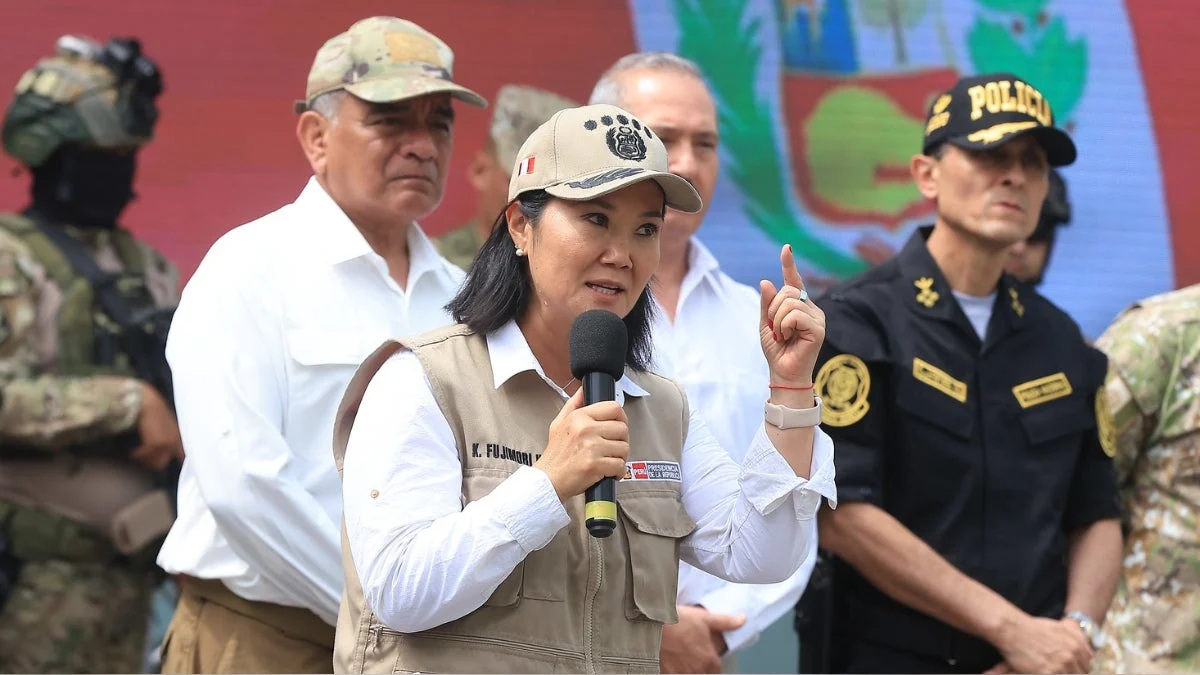
President Keiko Fujimori addressed the incident later that day during the unveiling of the results from the Unified Command against Criminality. Her tone was combative and uncompromising, signaling that the Executive will not back down in the face of legislative resistance.
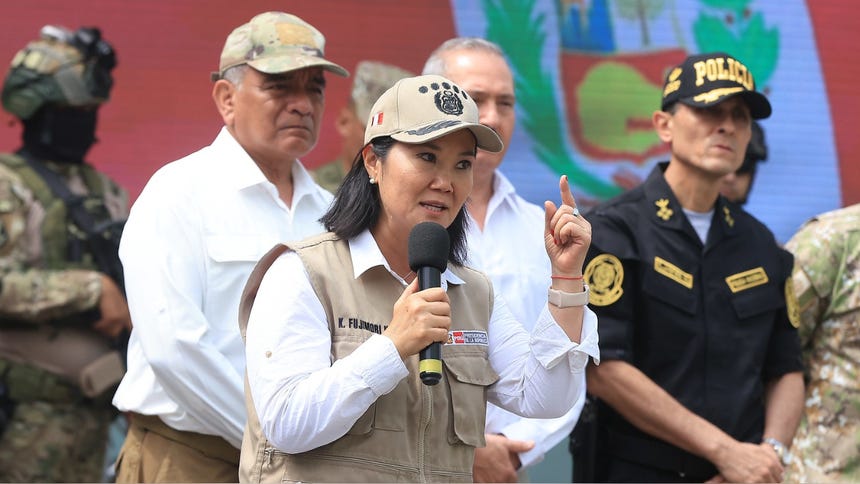
"I want to make a parenthesis because I have seen the regrettable events that have occurred in the Congress of the Republic, in the Senate Chamber," President Fujimori stated. "Minister Astudillo was verbally assaulted—a minister who, let us remember, is a ‘Chavín de Huántar’ commando. I express my total support and gratitude to him for his bravery."
In a pointed remark directed at her political adversaries, the President declared, "Minister, the dogs bark; that is a sign that we are advancing." She further noted that she had received messages of support from various senators, spanning both her party, Fuerza Popular, and other political factions, who condemned the treatment of the minister.
The Broader Context: "Moments of Definition"
The President’s rhetoric suggests that this skirmish is not merely a procedural disagreement but a fundamental divide in the country’s governance. Fujimori framed the current political climate as a "moment of definition."
"Today, as we face delinquency—after many years of indifference from previous governments—we are relying not only on our Armed Forces and National Police but on the clear political resolve of the Executive," the President asserted. She urged the private sector to collaborate with the state, emphasizing that information sharing is a vital component of the anti-crime strategy.
Fujimori challenged the political class to choose their side in the ongoing conflict: "We must think about whether we are on the side of violence or peace; if we are standing with the aggressors or protecting the victims; if we are standing with Movadef and Sendero Luminoso or with our Armed Forces and the Chavín de Huántar heroes."
Implications for Legislative Governance
The implications of this incident are far-reaching. The immediate consequence is the delay of the legislative faculties requested by the Executive. With security being a central pillar of the current administration’s platform, any obstruction by the Senate is viewed by the government as a direct threat to public safety.
1. The Erosion of Parliamentary Civility
The "pechada" (physical posturing) reported by Senator Maraví highlights an alarming trend in Peruvian politics: the breakdown of institutional respect. When ministers and legislators cannot engage in a debate without the threat of physical confrontation, the legislative process loses its legitimacy.
2. The Polarization of Security Policy
By framing the conflict as a choice between "the heroes of Chavín de Huántar" and "the supporters of terror," President Fujimori is effectively closing the door to nuanced criticism of her security policies. This binary framing makes it difficult for the opposition to voice legitimate concerns about human rights or the constitutionality of the requested powers without being labeled as "soft on crime" or "apologists for terrorism."
3. Future Legislative Hurdles
The Commission of Constitution is a vital gatekeeper for the Executive’s legislative agenda. If the relationship between the Ministers and the Senators remains this fractured, the government may find itself unable to secure the votes necessary for its security reforms. Analysts suggest that the Executive must pivot toward a more diplomatic approach if it hopes to pass its agenda before the end of the legislative session.
Supporting Data and Perspectives
Not all observers share the President’s assessment. Rafael Belaunde, a prominent political voice, described the incident as "an incident typical of the heat of political debate," suggesting that it should not be blown out of proportion. However, the opposition remains unconvinced.
Senator Maraví has insisted that his actions were a defense of the Senate’s independence. "The Minister of the Interior acted with an attitude that is totally discourteous and arrogant. My duty as a senator is to ensure that the Executive respects the dignity of this Chamber," Maraví stated in a press briefing following the suspension.
The incident also draws attention to the role of the security forces in the political arena. Minister Astudillo, a former high-ranking military official, is emblematic of the government’s "hardline" approach. His presence in the Cabinet is seen by some as a strategic move to project strength, while others argue it invites military-style confrontation into civilian political spaces.
Conclusion: A Nation at a Crossroads
As the dust settles on the Senate floor, the path forward remains uncertain. The incident has laid bare the deep-seated tensions between a government eager to exert its authority to tackle the nation’s crime epidemic and a legislative branch that is increasingly wary of the expansion of executive power.
President Fujimori’s firm backing of Minister Astudillo ensures that the administration will maintain its current trajectory. However, the cost of this confrontation may be a more gridlocked Congress, where political theater takes precedence over substantive policy-making. For the citizens of Peru, the hope is that this "moment of definition" will lead to a more secure and functional democracy, rather than a slide into further political instability.
As the Constitution Commission prepares to reconvene, the eyes of the nation will be on both the Executive and the Senate to see if they can move past the vitriol and address the pressing issue of national security with the gravity it demands.