In a significant move to fortify the nation’s power grid, the Peruvian Ministry of Energy and Mines (MINEM) has officially greenlit a comprehensive modification of seven critical electrical projects. These adjustments, formalized through Ministerial Resolution No. 348-2026-MINEM/DM published on August 12, 2026, represent a pivotal shift in the strategic roadmap for the National Interconnected Electric System (SEIN). By aligning infrastructure development with current technical realities, the government aims to ensure that Peru’s energy backbone remains resilient, efficient, and capable of supporting the country’s projected economic growth through 2036.
Main Facts: The Strategic Realignment
The core of this legislative action lies in the ongoing formulation of the 2027-2036 Transmission Plan. MINEM’s recent intervention serves to prune and refine the existing portfolio of energy infrastructure projects, ensuring that only those that remain strictly necessary—and technically optimized—proceed to execution.
Following a rigorous technical audit conducted by the Committee for the Economic Operation of the National Interconnected System (COES) and subsequently validated by the General Directorate of Electricity (DGE), the ministry determined that while four projects maintain their original relevance, seven required significant technical redesigns to meet modern load demands and grid stability requirements.
This is not merely an administrative update; it is a tactical response to the evolving nature of electricity demand in Peru. By integrating advanced compensation technologies and expanding substation capacities, the ministry is proactively addressing potential bottlenecks in power distribution.
A Chronology of Planning and Revision
The path to this resolution was paved by several months of intensive data collection and engineering assessments. The chronology of these developments underscores the government’s commitment to iterative, evidence-based planning:
- Initial Planning Phase: The original Transmission Plan was established with a focus on long-term projections. However, rapid changes in industrial demand and the integration of new renewable energy sources necessitated a mid-course review.
- The Audit Period (Early 2026): COES initiated a deep-dive evaluation into the technical feasibility of existing, stalled, or under-development projects. This involved stress-testing the SEIN against various load-growth scenarios.
- The DGE Review (Mid-2026): The General Directorate of Electricity scrutinized the COES findings, ensuring that the proposed modifications adhered to regulatory frameworks and economic efficiency standards.
- The Formalization (August 12, 2026): With the signing and publication of Ministerial Resolution No. 348-2026-MINEM/DM, the government codified the modifications, effectively clearing the way for the adjusted projects to move forward in the 2027-2036 cycle.
Supporting Data: Engineering the Grid of the Future
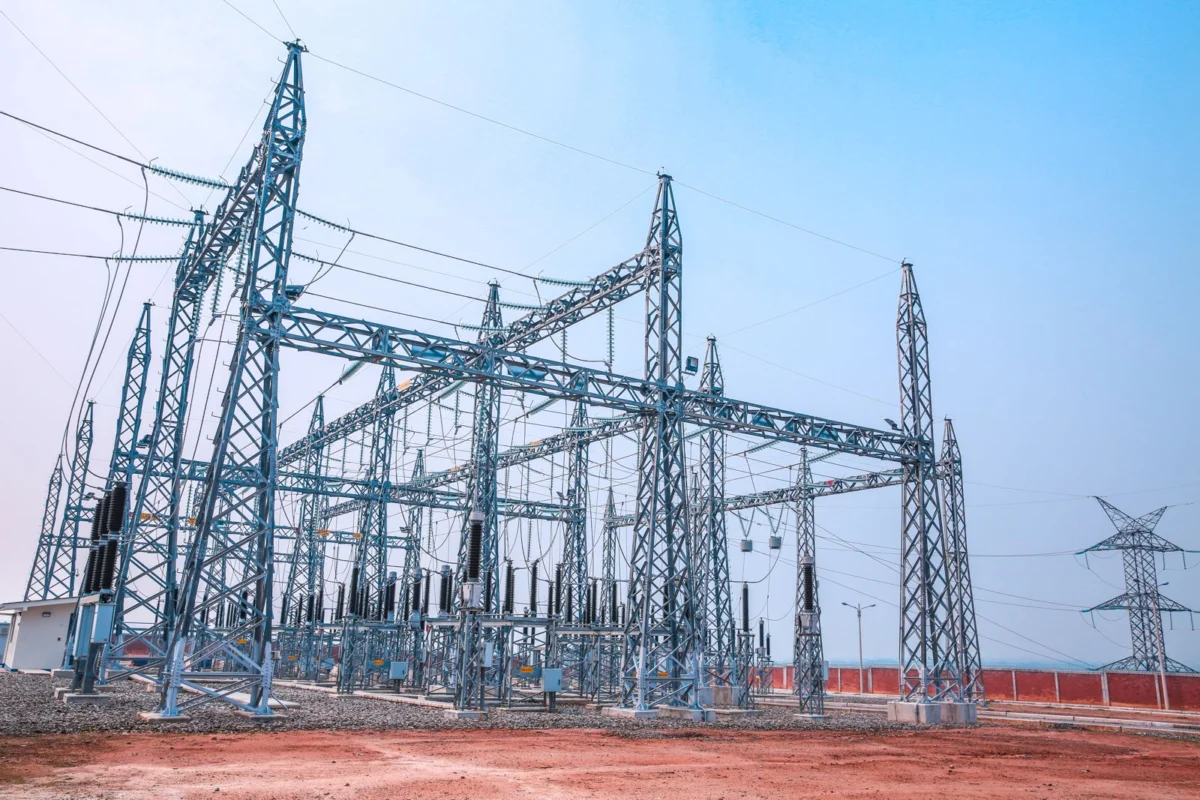
The technical details of these modifications provide a glimpse into the sophisticated upgrades required to modernize Peru’s power infrastructure. Among the standout initiatives are the enhancements to the 500 kV transmission line linking Carabayllo, Chimbote, and Trujillo.

Enhancing High-Voltage Stability
The upgrade to the Carabayllo-Chimbote-Trujillo corridor is arguably the most ambitious component of this resolution. The integration of an Automatic Reactive Compensation System at the "Trujillo Nueva" substation is designed to mitigate voltage fluctuations, a common challenge in long-distance high-voltage transmission. By stabilizing reactive power, the system ensures more reliable voltage levels, which is crucial for the industrial hubs located along the northern coast. Furthermore, the plan increases the capacity of this line to 1,000 MVA, providing the necessary overhead to support future industrial electrification.
The Chilca Hub Expansion
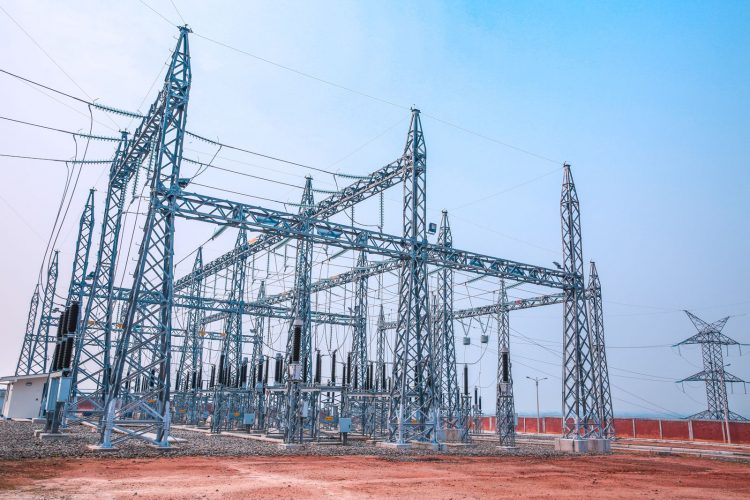
The Substation Chilca project has also undergone a critical redesign. By updating the technical configuration, the ministry aims to optimize the energy flow between the Chilca CTM and Chilca Uno substations. This is bolstered by an increase in the transformation capacity at the Chilca CTM substation, a move that directly addresses the rising energy needs of the Lima metropolitan area and its surrounding industrial clusters.
Official Responses and Strategic Intent
Government officials have emphasized that this resolution is part of a broader strategy to "clean up" the transmission project pipeline. By removing projects that no longer align with current market conditions or technical requirements, MINEM is freeing up resources for more impactful investments.
"The goal is not just to build more, but to build better," stated a spokesperson close to the DGE. "We are moving away from legacy planning that often relied on outdated assumptions. The current SEIN requires a dynamic approach where we can pivot our infrastructure projects to match the actual, observed performance of the grid."
The ministry’s focus is on three key pillars:
- Reliability: Reducing the probability of service interruptions through enhanced redundancy and better-controlled power flows.
- Efficiency: Lowering the total cost of energy delivery by ensuring that transmission assets are utilized at their optimal capacity.
- Future-Proofing: Designing the grid so that it can accommodate future shifts, such as the decentralization of energy production and the integration of decentralized renewable energy systems.
Implications for the Energy Sector
The implications of these updates are far-reaching, affecting stakeholders ranging from large-scale industrial consumers to energy investors and the general public.
Impact on Investment Climate
For investors, the clarity provided by this resolution is a positive signal. When the state demonstrates a willingness to refine its plans, it reduces the risk of "stranded assets"—infrastructure that is built but ultimately underutilized or technically unsuitable. By signaling a commitment to technical precision, MINEM is fostering a more predictable environment for long-term investment in the Peruvian energy sector.
Economic and Industrial Benefits
The expansion of the transmission capacity in key corridors like the North and the central coast directly facilitates industrial expansion. Industries such as mining, manufacturing, and agro-exportation rely on a stable, high-voltage supply. These upgrades effectively remove the "electricity ceiling" that can otherwise stifle the growth of these sectors.
Sustainability and Environmental Considerations
While the primary focus is on technical efficiency, the move also supports sustainability goals. A more efficient transmission grid results in lower energy losses during transport. Every kilowatt-hour saved through a more efficient line is a kilowatt-hour that does not need to be generated by a fossil-fuel source, thereby indirectly supporting the country’s decarbonization targets.
A Vision for 2036
As Peru looks toward 2036, the energy sector stands as the engine of the national economy. The work currently being done by the MINEM, in collaboration with COES, is the quiet, foundational labor that allows the rest of the economy to operate.
The transition from a static grid to a responsive, modernized system is the defining challenge of the current decade. By prioritizing these seven project modifications, the government is ensuring that the SEIN will not merely survive the next ten years, but thrive. The focus on high-capacity transmission, reactive power control, and substation efficiency provides the technical roadmap required for Peru to maintain its competitive edge in the regional energy market.
In conclusion, Ministerial Resolution No. 348-2026-MINEM/DM serves as a crucial milestone in the modernization of Peru’s electrical infrastructure. It reflects a shift toward a more agile and data-driven approach to planning—one that prioritizes the long-term health and stability of the system over the short-term maintenance of legacy projects. As these modifications are implemented, they will collectively serve to illuminate the path forward for Peru’s development, ensuring that the lights stay on and the economy continues to power ahead.