Introduction: A Paradigm Shift in Peruvian Finance
The landscape of the Peruvian economy is undergoing its most significant transformation in decades. For generations, the "cash-is-king" mentality dictated the rhythm of commerce in the Andean nation, from bustling metropolitan markets in Lima to remote agricultural outposts in the highlands. However, recent data from the Central Reserve Bank of Peru (BCR) reveals that the dominance of physical currency is rapidly waning.
Paul Castillo, General Manager of the BCR, recently addressed this seismic shift during the II International Payments Innovation Forum. According to his presentation, the reliance on cash for day-to-day transactions has plummeted from approximately 95% to 64% over the last five years. While this decline is remarkable, it highlights both the success of digital financial inclusion and the persistent structural challenges that remain in bridging the gap between urban centers and rural provinces.
The Chronology of Digital Adoption (2018–2026)
To understand the magnitude of this shift, one must look at the trajectory of digital adoption in Peru.
- 2018: The Pre-Digital Era: Five years ago, digital payments were the exception rather than the rule. The average Peruvian adult engaged in roughly 30 digital transactions per year. Cash was the default, the safest, and often the only option available for the vast majority of the population.
- 2020–2022: The Catalyst: The global health crisis acted as a forced accelerator for digitalization. With lockdowns and social distancing measures in place, the necessity for contactless payments surged, laying the groundwork for the widespread adoption of mobile wallets.
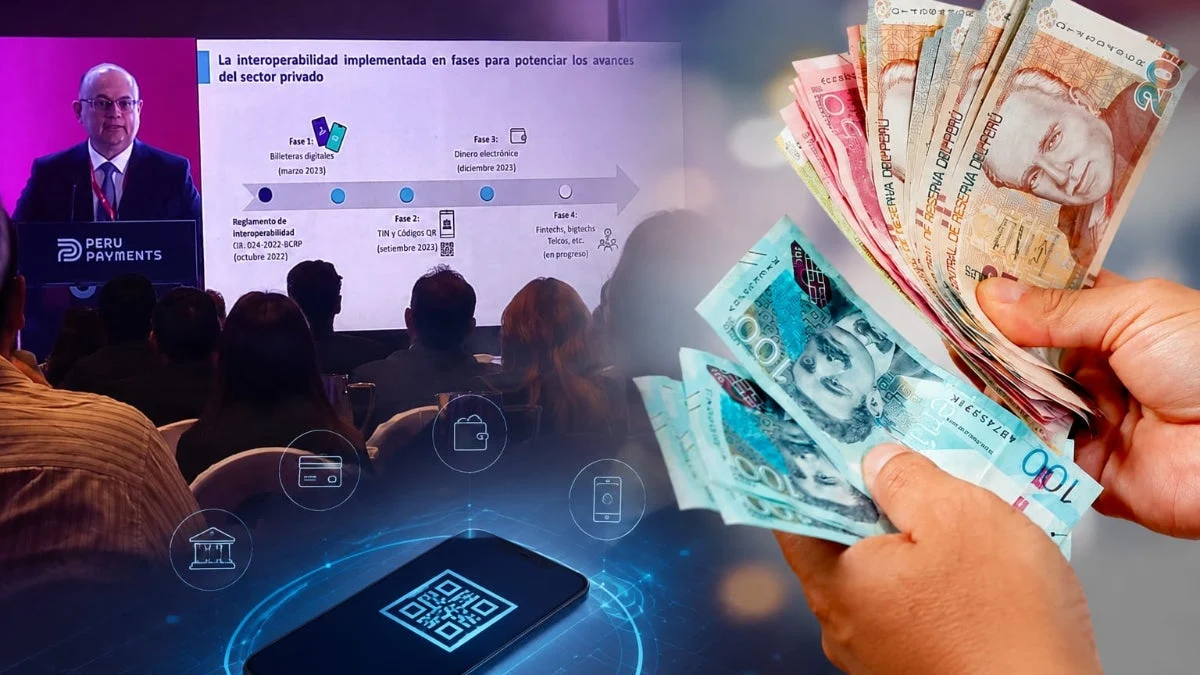
- 2023–2024: The Rise of Interoperability: A critical turning point occurred with the implementation of universal interoperability. The ability to transfer funds seamlessly between different platforms—such as Yape and Plin—removed the "walled garden" effect that had previously hindered digital growth.
- 2025–2026: The Explosion of Usage: By 2025, the number of digital payments per adult had soared to 665. As of June 2026, that figure hit an unprecedented 767. The rapid ascent suggests that Peru is no longer playing catch-up but is instead positioning itself as a regional leader, rapidly closing the gap with financial powerhouses like Brazil.
Supporting Data: By the Numbers
The BCR’s report provides a granular view of the shift, underscoring that this is not a marginal trend but a systemic change in how the Peruvian economy functions.
Transaction Volume
In the first half of 2026, the total volume of digital operations—encompassing credit cards, debit cards, and electronic transfers—surpassed 1.6 billion transactions per month. This metric is a testament to the robust infrastructure built by financial institutions and fintech companies.
The Power of Interoperability
Perhaps the most telling statistic is the success of interoperable payments. As of mid-2026, interoperable transactions (e.g., transfers between competing platforms) reached approximately 312 million monthly operations. This highlights that users are no longer loyal to a single app; they are demanding a fluid financial ecosystem where money moves instantly, regardless of the provider.
Comparing with Regional Peers
Castillo noted that Peru’s progress is noteworthy on a global scale. While historically trailing behind, the nation has now achieved a level of digital payment density that rivals some of the most sophisticated emerging markets. By narrowing the distance to Brazil—long considered the gold standard for digital payments in Latin America—Peru is signaling that its financial infrastructure is ready for the next stage of development.
Official Responses and Strategic Perspectives
The View from the Central Bank
Paul Castillo, representing the BCR, emphasized that while the transition is positive, the central bank remains grounded in reality. The goal is not the total eradication of cash, but the creation of a more efficient, secure, and inclusive payment system.
"We are not far from the leaders," Castillo stated during the forum. "Peru has moved closer to Brazil, and the velocity of this adoption continues to exceed our initial projections."
However, the BCR remains acutely aware of the "last mile" problem. The central bank is now pivoting its focus toward "TAPP" and other infrastructure projects designed to lower transaction costs and improve the speed of settlement. The regulator’s stance is that a digital-first economy will lead to lower inflation volatility, increased tax formalization, and better data-driven economic policy.
The Digital Divide: Lima vs. The Regions
Despite the national success, a glaring disparity persists. The BCR’s data indicates that the adoption of digital wallets and electronic payments is significantly higher in Lima than in the provinces.
The Provincial Challenge
Outside of the capital, the informal economy remains deeply tethered to physical cash. Several factors contribute to this:
- Technological Barriers: Limited high-speed internet connectivity and smartphone penetration in rural areas continue to hinder the adoption of sophisticated financial apps.
- Trust and Education: There is a lingering preference for physical currency in rural commerce, where trust is often built through face-to-face interaction and the tactile exchange of money.
- Financial Literacy: Many individuals in rural areas remain unbanked or underbanked, lacking the necessary documentation or financial training to engage with digital platforms.
Bridging the Gap
The government and private sector are currently collaborating on initiatives to include these underserved populations. The strategy involves not only deploying technology but also addressing the underlying social issues of financial exclusion. The objective is to reach a 90% digital payment penetration rate within the next few years.
Implications for the Future of Peru
The move away from cash has profound implications for the Peruvian economy.
1. Formalization of the Economy
One of the most significant benefits of digital payments is the reduction of informality. When transactions leave a digital footprint, it becomes easier for the state to track economic activity, collect taxes, and bring small businesses into the formal fold. This leads to a larger tax base and better public services.
2. Economic Efficiency
Digital payments reduce the "friction" of commerce. Merchants no longer have to worry about cash management, the risk of theft, or the costs associated with transporting physical money. Consumers benefit from convenience and safety, as carrying large amounts of cash is no longer a necessity.
3. Monetary Policy and Data
For the BCR, the shift provides a treasure trove of data. Real-time insights into consumer spending habits allow the central bank to make more accurate economic forecasts and respond more effectively to inflationary pressures.
4. Innovation and Competition
The success of interoperability has sparked a competitive race among fintech companies and traditional banks. This competition drives innovation, resulting in lower fees for consumers and better user interfaces. As the ecosystem matures, we can expect to see more advanced services, such as instant micro-lending and automated savings features, integrated directly into payment platforms.
Conclusion: The Road Ahead
Peru stands at a crossroads. The transition from 95% cash reliance to 64% in just five years is a historic achievement, but the remaining 64%—and the regional inequality surrounding it—represents the next great challenge for the nation’s financial architects.
The path forward requires a sustained commitment to infrastructure development, cybersecurity, and financial education. As the BCR continues to promote interoperability and new digital frameworks, the dream of a fully digitized, inclusive Peruvian economy appears increasingly attainable. While cash will likely remain a part of the Peruvian experience for years to come, its role is shifting from the primary medium of exchange to a secondary, specialized tool.
The digital revolution in Peru is no longer a promise for the future; it is the reality of the present. With the rapid expansion of digital payments, the country is proving that it has the capacity to modernize its financial systems, empower its citizens, and compete on the global stage. As the BCR looks toward 2030, the focus will undoubtedly remain on ensuring that no citizen—regardless of their geography—is left behind in the transition to a digital-first economy.