Introduction: A Catalyst for Development in Cusco
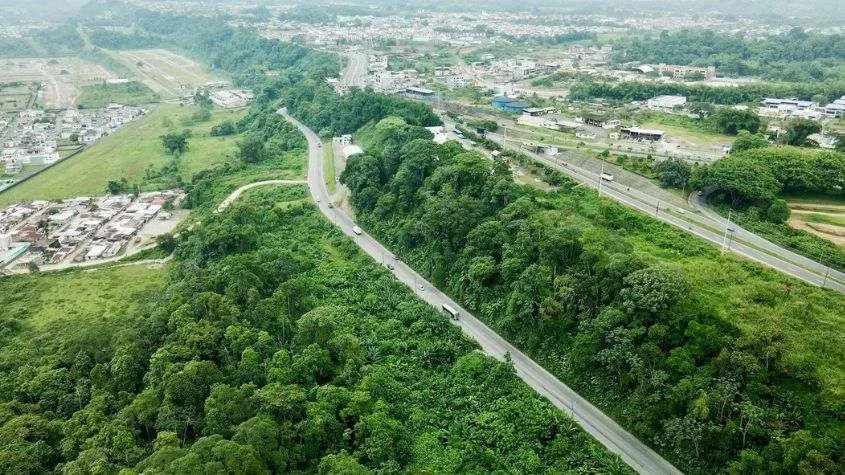
The landscape of the Cusco region is undergoing a significant transformation as the regional government nears the halfway mark on one of its most critical infrastructure projects. The road improvement project connecting Paucartambo to the Abra Acjanacu pass has reached an impressive 54% physical completion rate. With an investment exceeding S/ 100 million, this infrastructure initiative is not merely an engineering feat but a strategic intervention designed to bridge the socioeconomic gap between isolated highland communities and regional commercial hubs.
Spanning approximately 25 kilometers, the project is a testament to the efficacy of the "direct administration" model employed by the Regional Government of Cusco. By modernizing this vital artery, the government aims to enhance the transit of goods and people, effectively lowering transportation costs and increasing the overall competitiveness of the Paucartambo and Challabamba districts.
Main Facts: Scope and Engineering Specifications
The project focuses on the comprehensive rehabilitation and upgrading of the vehicular transit corridor linking the historic town of Paucartambo with the high-altitude Abra Acjanacu.
Key Technical Details:
- Total Investment: Over S/ 100 million.
- Total Extension: 25 kilometers of upgraded road.
- Current Progress: 54% physical completion.
- Executing Body: Regional Directorate of Transport and Communications (DRTC), Cusco.
- Strategic Route: The path encompasses multiple critical segments, including the Paucartambo deviation (CU-113) through Llaychu and Kapachi (connecting to CU-989), continuing through Sunchubamba, Jajahuana, and the Challabamba district (CU-990), ultimately culminating at the junction with the CU-113 route at the Abra Acjanacu pass.
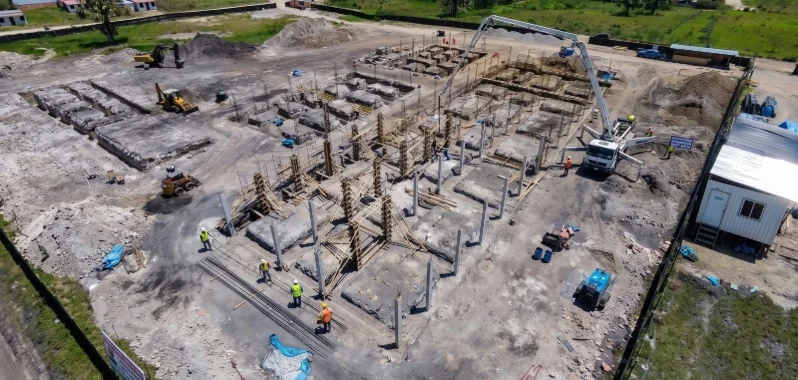
The project is characterized by its rigorous engineering standards, which address both the structural stability of the roadbed and the hydraulic management of the area. Current operations involve the sophisticated process of shaping the sub-base and leveling the subgrade to ensure long-term durability against the harsh climatic conditions of the Andean highlands. Furthermore, the construction teams are currently engaged in the installation of concrete structural elements, including retaining walls, drainage systems, and bridge reinforcements, to mitigate the risks of landslides and soil erosion.

Chronology of Development
The road to this milestone has been one of persistence and complex logistical coordination. While the project is currently in a state of high-intensity activity, its inception was rooted in the urgent need to address the precarious transit conditions that historically hindered economic development in the region.
- Project Formulation: The Regional Government identified the Paucartambo-Abra Acjanacu corridor as a priority for agricultural and commercial integration.
- Procurement and Mobilization: Under the direct administration model, the Regional Directorate of Transport and Communications mobilized heavy machinery and specialized technical teams to begin site clearing and initial earthworks.
- Structural Foundation Phase: In the early stages, the focus was primarily on stabilizing the subgrade and managing the challenging topography, which required significant excavation and the re-routing of essential public services, including the water supply matrix for local communities.
- Mid-Project Milestone: As of September 2026, the project hit the 54% completion mark. This phase has seen the shift from basic earthmoving to specialized surface treatment, including the resanding of primed areas and the pouring of concrete for drainage and culverts.
- Future Outlook: With the majority of structural and foundational work underway, the project is now entering a phase of intensive paving and final infrastructure installation, with the goal of minimizing delays for the more than 2,000 beneficiary families.
Supporting Data: Infrastructure and Sustainability
Modern road construction in the Andes requires more than just asphalt; it requires a deep understanding of hydraulic engineering to ensure the road does not wash away during the intense rainy seasons.
Current Operational Highlights:
- Hydraulic Management: To prevent structural degradation, the project includes the construction of specialized subdrains and rectangular channels. These are essential for the efficient evacuation of pluvial water, protecting the roadbed from water saturation.
- Civil Works: Beyond the road surface, the project includes the construction of multiple support structures designed to reinforce the mountainous terrain.
- Utility Integration: The project team has successfully undertaken the delicate task of relocating the regional water supply matrix, ensuring that the road improvement does not disrupt essential utilities for the surrounding rural populations.
- Safety Standards: The current technical focus, as verified by recent field audits, emphasizes safety, stability, and durability. By utilizing high-grade concrete for bridge components and lateral gutters, the Regional Government is prioritizing a "built-to-last" philosophy.
Official Responses and Strategic Vision
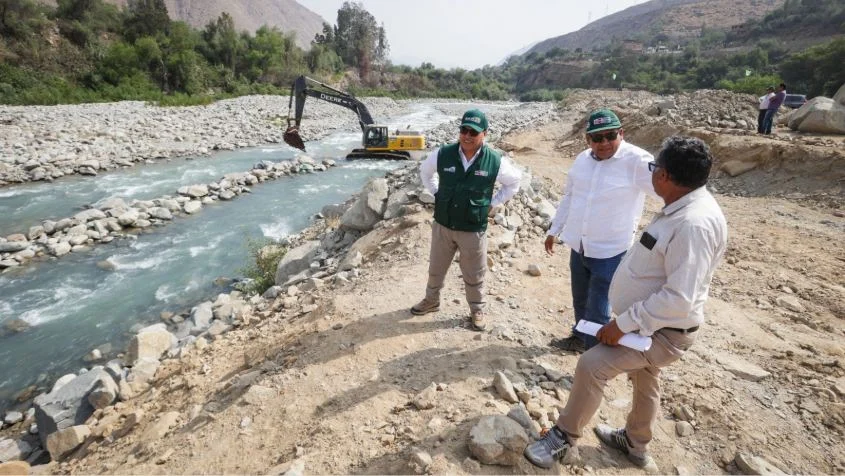
The importance of this project transcends the physical tarmac. During a recent technical inspection, Fredy Yucra Huanco, the Regional Manager of Transport and Communications, highlighted the philosophy behind the investment.
"No construction project is an end in itself," Yucra Huanco remarked during his visit to the construction site. "We are not merely building roads to connect points on a map; we are building pathways to connect opportunities. We are bringing essential services closer to our people and fundamentally improving the quality of life for families in Paucartambo and Challabamba."

The regional government’s decision to handle this project via "direct administration" is a strategic choice designed to maximize the use of local labor and resources, ensuring that the funds invested in the road cycle back into the local economy. This approach has allowed for closer supervision and a higher degree of responsiveness to technical challenges as they arise on the ground.
Implications: A New Era for the Province
The completion of this project is expected to trigger a ripple effect across the region. The implications for the local population are multifaceted:
1. Socioeconomic Impact
For the over 2,000 families residing in the area, the road represents a gateway to the broader regional market. Farmers who previously faced immense difficulties transporting perishable goods to market due to the road’s poor state will soon benefit from reduced travel times and lower vehicle maintenance costs. This increased accessibility is expected to foster agricultural growth and stimulate small-scale commerce in the Challabamba and Paucartambo districts.
2. Enhanced Access to Services
Beyond economics, the improved road is a critical link for social services. In emergency situations, the difference between a dirt track and an asphalted road can be a matter of life and death, particularly regarding ambulance access and the ability of residents to reach regional medical centers in a timely manner. The infrastructure will also facilitate easier access for education, mobile banking, and government administrative services.

3. Regional Integration
The Abra Acjanacu connection is a vital link in the regional network. By strengthening the connections between the higher Andean elevations and the lower agricultural valleys, the project supports the long-term territorial integration of Cusco. This connectivity is essential for the region’s overall stability and its ability to respond to internal and external economic fluctuations.
Conclusion
The Paucartambo–Abra Acjanacu road improvement project stands as a hallmark of modern infrastructure development in the Cusco region. With 54% of the work complete, the project is well on its way to achieving its goal of transforming the mobility landscape for thousands of citizens. Through a combination of rigorous engineering, proactive administrative management, and a clear vision for social equity, the regional government is setting a benchmark for future infrastructure projects. As the work continues toward completion, the promise of a more connected, efficient, and prosperous future for the people of Paucartambo remains the driving force behind every kilometer of road paved.