Introduction: A High-Level Diplomatic Engagement in New York
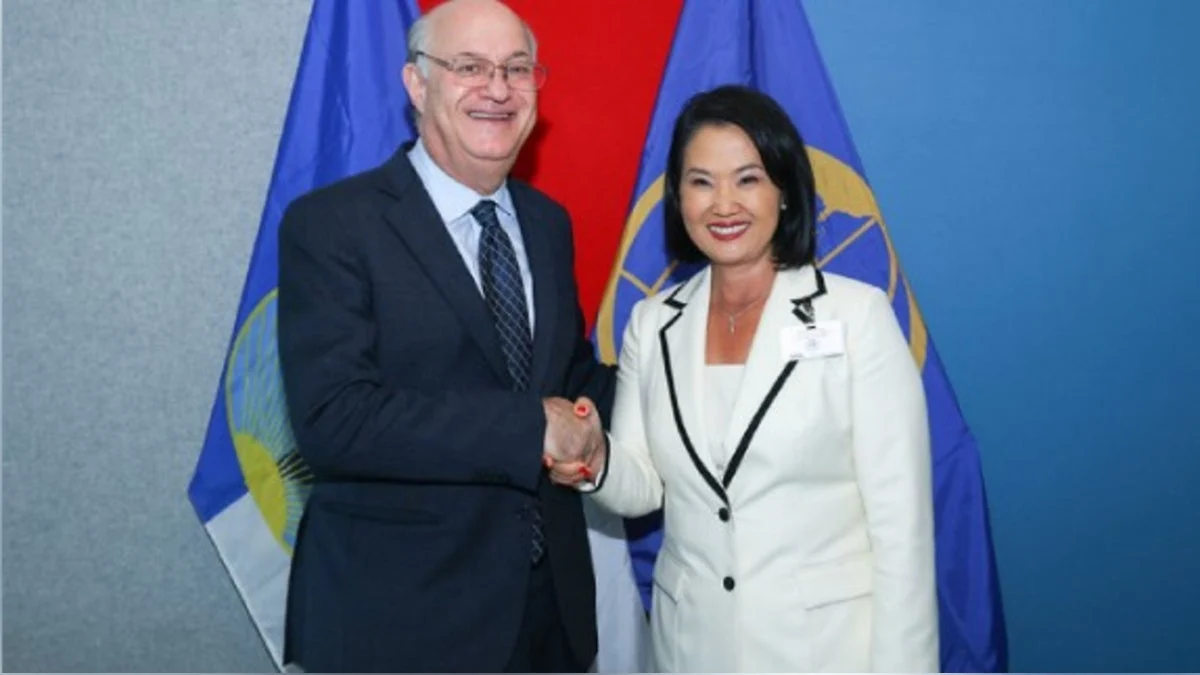
During the prestigious 81st session of the United Nations General Assembly in New York, a pivotal meeting took place that promises to reshape the trajectory of Peru’s socioeconomic development. President Keiko Fujimori held a high-level dialogue with the President of the Inter-American Development Bank (IDB), Ilan Goldfajn. This meeting served as a cornerstone for reaffirming the strategic partnership between the Peruvian government and the region’s primary multilateral financial institution.
The engagement, held amidst the bustling diplomatic schedule of the UN General Assembly, focused on critical areas of cooperation, including financial support, technical assistance, and the implementation of innovative solutions aimed at addressing Peru’s most pressing structural challenges. As the country navigates a complex global economic landscape, the collaboration with the IDB is viewed as an essential catalyst for modernization, social inclusion, and resilient infrastructure.
The Core Pillars of Collaboration: Main Facts and Strategic Sectors
The dialogue between President Fujimori and President Goldfajn centered on the expansive portfolio of projects currently being managed by the IDB within Peruvian borders. These initiatives are not merely financial transactions; they represent a comprehensive strategy to bolster the nation’s institutional capacity and physical infrastructure.
Key Areas of Intervention
The IDB’s involvement in Peru is multifaceted, spanning critical sectors that form the backbone of a functional state:
- Infrastructure and Transportation: Enhancing logistical connectivity to integrate rural regions with urban markets, thereby reducing regional disparities.
- Sanitation and Public Health: Modernizing water and sewage systems to combat chronic health issues and improve the quality of life for the most vulnerable populations.
- Justice and Governance: Supporting reforms aimed at increasing the transparency and efficiency of the judicial system, which is crucial for fostering an environment conducive to investment.
- Agriculture: Investing in sustainable agricultural practices and technological adoption to boost productivity in the rural sector.
- Disaster Risk Management: A significant portion of the IDB’s current mandate in Peru involves proactive measures to mitigate the devastating effects of natural phenomena, particularly the El Niño phenomenon, which poses a recurring threat to the nation’s stability.
A Chronology of Engagement
The recent meeting in New York is the latest chapter in a long-standing history of cooperation between Peru and the IDB. To understand the significance of this encounter, it is essential to view it through the lens of ongoing diplomatic and financial efforts.
- Pre-Assembly Preparation: Months of preliminary discussions between the Ministry of Economy and Finance (MEF) and IDB technical teams laid the groundwork for the New York summit, identifying gaps in current infrastructure and social programs.
- The UN General Assembly (Current): The meeting in New York served as the "closing" of these initial phases, where political leadership solidified the technical agreements into high-level policy commitments.
- Future Implementation Phase: Following the assembly, the government is expected to move toward the operational phase of the Plan Estratégico Multisectorial, which will see the rollout of new financial instruments and the deployment of technical experts across various ministries.
Supporting Data: The Minister’s Perspective
Accompanying the President in these deliberations was the Minister of Economy and Finance, Elmer Cuba. His presence underscored the technical nature of the discussions and the government’s commitment to fiscal discipline alongside developmental growth.
The Multi-Sectoral Strategy
Minister Cuba emphasized that the cooperation with the IDB is not siloed but rather part of a unified Plan Estratégico Multisectorial. This plan is designed to synchronize the efforts of various state entities, ensuring that funding is not fragmented but channeled into projects with the highest multiplier effects.
Priority areas highlighted by the Ministry include:
- Security: Integrating technology and improved training protocols to combat organized crime.
- Education: Modernizing curricula and infrastructure to better prepare the workforce for the demands of a 21st-century economy.
- Modernization of the State: Utilizing IDB support to digitize bureaucratic processes, thereby reducing corruption risks and increasing public sector efficiency.
Official Responses and Strategic Implications
The meeting has generated significant discourse regarding the future of Peru’s economy. The synergy between the executive branch and the IDB is widely perceived by economic analysts as a signal of institutional stability.
Strengthening Financial Inclusion
A major highlight of the discussion was the push for greater financial inclusion. Minister Cuba noted that the government, with the technical guidance of the IDB, is rolling out nationwide financial education initiatives. By involving the Ministry of Economy and Finance and other relevant sectors, the state aims to rebuild public confidence in the formal financial system—a prerequisite for sustainable economic growth and the reduction of informality.
The "El Niño" Factor
Perhaps the most urgent aspect of the discussion was the focus on climate resilience. The recurring nature of the El Niño phenomenon has historically decimated Peruvian infrastructure. The IDB’s commitment to providing both capital and technical expertise in disaster prevention signifies a shift from reactive crisis management to proactive risk mitigation. This change in strategy is expected to save the state billions in potential damages over the coming decade.
Analysis: The Broader Implications for Peru
The partnership with the IDB serves as a vital bridge between Peru’s current development stage and its aspirations for OECD integration. By adhering to international standards for project execution, transparency, and sustainable development, the government is effectively professionalizing its administrative functions.
The Role of Technical Innovation
The mention of "innovative solutions" in the joint statement is significant. It suggests that the IDB is not merely providing loans, but is also bringing to the table proprietary research and data-driven insights. This is particularly relevant in the justice and health sectors, where Peru has struggled with legacy systems. The introduction of AI-driven judicial management and remote telemedicine platforms—supported by IDB funding—could represent a massive leap forward in service delivery.
Political and Economic Stability
From a geopolitical standpoint, the meeting in New York reinforces Peru’s position as a reliable partner in the Western Hemisphere. Amidst regional volatility, the close collaboration with the IDB sends a clear message to international investors: Peru remains committed to the rule of law, fiscal responsibility, and systematic modernization.
Conclusion: Looking Ahead
The collaboration between the Peruvian government and the IDB, as crystallized during the 81st UN General Assembly, represents a comprehensive approach to national development. By focusing on the intersection of infrastructure, social inclusion, and climate resilience, both parties are building a framework that aims to withstand the pressures of global uncertainty.
As the Plan Estratégico Multisectorial enters its next implementation phase, the success of these initiatives will depend on the government’s ability to execute these complex projects with transparency and efficiency. If successful, this partnership will not only improve the daily lives of millions of Peruvians but also solidify the nation’s foundation for long-term, inclusive prosperity. The coming months will be critical as the government translates these high-level discussions into tangible outcomes for the citizens of Peru.