Executive Summary: A Milestone for Regional Health
The Cusco Regional Government is nearing the completion of one of its most ambitious healthcare infrastructure projects to date: the Hospital Materno Infantil de Belempampa. With a total investment exceeding S/ 222.7 million (approximately $60 million USD), this state-of-the-art facility is set to become the epicenter of maternal and neonatal care in Southern Peru. Designed to serve a population of over 300,000 residents, the hospital represents a critical leap forward in bridging the healthcare gap for vulnerable mothers and newborns, ensuring that quality, specialized medicine is accessible within the region.
As the project approaches its December completion date, the facility stands as a symbol of regional progress, demonstrating the viability of "direct administration" (ejecución por administración directa) in public works—a strategy that regional authorities argue maximizes transparency, efficiency, and direct accountability to the citizenry.
The Strategic Importance of the Belempampa Project
The construction of the Hospital Materno Infantil is not merely a structural expansion; it is a fundamental reconfiguration of the regional healthcare network. For years, the Cusco region has struggled with limited capacity in specialized obstetric and neonatal services, often forcing residents to seek care in overcrowded facilities or travel long distances to metropolitan hubs.
The new hospital is designed to change this narrative. By consolidating high-complexity care under one roof, the facility will serve as a lighthouse for maternal health, offering services that range from prenatal care to advanced emergency intervention. The integration of technology—including teleconsultation capabilities—ensures that the benefits of this investment extend beyond the city of Cusco, reaching rural areas and neighboring regions that rely on the Cusco healthcare ecosystem.
Chronology of Development
The trajectory of the Belempampa Hospital has been marked by rigorous planning and execution.

- Initial Planning Phase: The project was conceived as a necessary response to the rising demand for maternal health services in the growing urban and peri-urban populations of Cusco.
- Approval and Financing: With an allocation of over S/ 222.7 million, the government secured the necessary funding to ensure the project’s continuity, avoiding the common pitfalls of stalling mid-construction.
- The "Contingency" Phase: A critical component of the project’s success was the implementation of a contingency plan. Before the main structure was complete, temporary facilities were established to ensure that current patient care was not interrupted, maintaining continuity of service throughout the construction timeline.
- Construction Milestones: Throughout the construction period, the project has maintained a steady pace. Recent phases have focused on the intricate installation of mechanical ventilation systems, specialized roofing, and exterior finishing.
- Final Countdown: As of September 2026, the facility has entered its final stretch, with the regional government confirming a December 2026 delivery date.
Technical Specifications and Infrastructure
The scale of the Hospital Materno Infantil de Belempampa is reflective of the modern medical standards it intends to uphold. The facility is not just a building; it is a highly integrated technological hub.
Core Infrastructure
- Units of Service: The hospital will house 547 dedicated units, each optimized for specific medical functions, ranging from basic administrative support to high-complexity intensive care.
- Medical Equipment: The facility will be equipped with over 5,400 pieces of medical and technological hardware. This includes modern diagnostic imaging, digital monitoring for neonatal patients, and advanced surgical tools.
- Specialized Areas: The layout includes dedicated centers for obstetrics and surgery, as well as a "Casa Materna" (Maternal House), designed to provide a supportive environment for women during the pre- and post-partum periods.
Capacity Expansion
Once operational, the hospital is projected to triple the current regional capacity for specialized maternal care. With a target of over 2,000 births annually, the hospital will play a pivotal role in reducing maternal and infant mortality rates, providing a safer environment for childbirth and neonatal recovery.
Official Perspectives: Commitment to Direct Administration
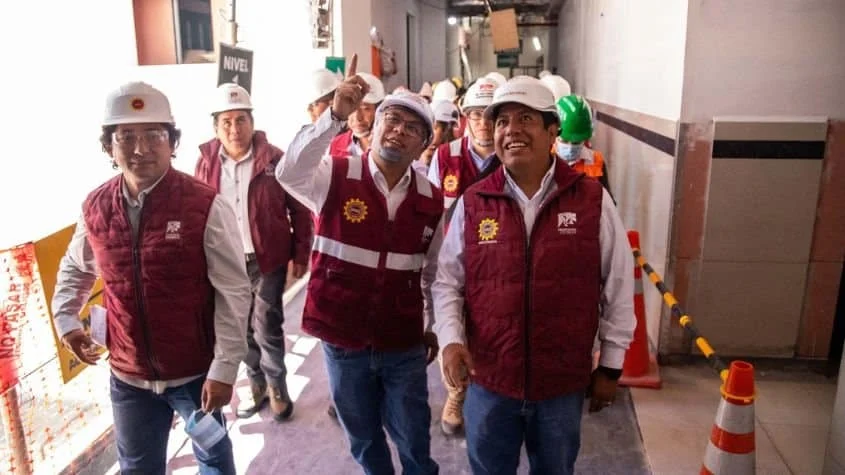
During a recent tour of the construction site, Cusco Regional Governor Werner Salcedo Álvarez emphasized the importance of the project’s delivery method.
"We are proving that it is entirely possible to execute large-scale public works through direct administration, maintaining efficiency, transparency, and, above all, a human-centric approach," said Governor Salcedo. "This hospital is more than steel and concrete; it is a commitment to the most vital bond in our society: that between mother and child."
The decision to manage the project internally, rather than outsourcing to third-party private contractors in every capacity, has been touted by the regional administration as a way to ensure that funds are managed with greater scrutiny and that the project remains aligned with the immediate needs of the Cusco population.

Economic and Social Implications
The impact of the Belempampa Hospital extends beyond the medical sector. The project has acted as a significant economic engine for the region.
Job Creation
Throughout the construction cycle, the project has generated over 1,000 direct jobs. This has provided stable income for local construction workers, engineers, and support staff, contributing to the broader economic health of the Cusco community. By prioritizing local labor, the project has fostered a sense of ownership and pride among the workers who are building the future of their own regional healthcare system.
Regional Health Equity
For the 300,000+ residents of the region, the hospital represents a transition from emergency-based, reactive healthcare to a proactive, specialized model. The inclusion of services such as "parto humanizado" (humanized childbirth) indicates a shift toward patient-centered care, acknowledging the cultural and psychological needs of mothers in the Andean region.
Furthermore, the integration of teleconsultation technology signifies a modernization of the health network, allowing experts in the central facility to provide guidance to clinics in remote provinces, effectively shrinking the distance between specialized care and the patient.
Future Outlook: A New Standard for the Andes
As December approaches, the focus shifts toward the commissioning of the equipment and the staffing of the hospital. The challenge will lie in ensuring that the highly sophisticated technology is matched by equally qualified medical personnel.

The regional government has indicated that the facility will serve as a model for future projects. By demonstrating that large-scale infrastructure can be delivered on time and within budget, the Cusco Regional Government is setting a precedent for other regions across Peru.
The Hospital Materno Infantil de Belempampa stands as a testament to what can be achieved when political will aligns with the necessity of the population. When the doors open, they will not just open to a new building, but to a new era of health security for the families of Cusco.
Key Data Summary
- Total Investment: S/ 222.7 million.
- Population Benefited: 300,000+ residents.
- Annual Birth Capacity: 2,000+.
- Infrastructure Units: 547.
- Medical Equipment Units: 5,400+.
- Completion Date: December 2026.
- Projected Impact: Tripling of current specialized maternal and neonatal care capacity.
This project serves as a cornerstone of the regional development plan, marking 2026 as a transformative year for the healthcare landscape in Southern Peru. As the final layers of paint are applied and the last of the diagnostic machinery is calibrated, the region looks forward to a future where the health of mothers and their children is protected by the most modern infrastructure available in the country.