Introduction: A Strategic Pivot in South American Relations
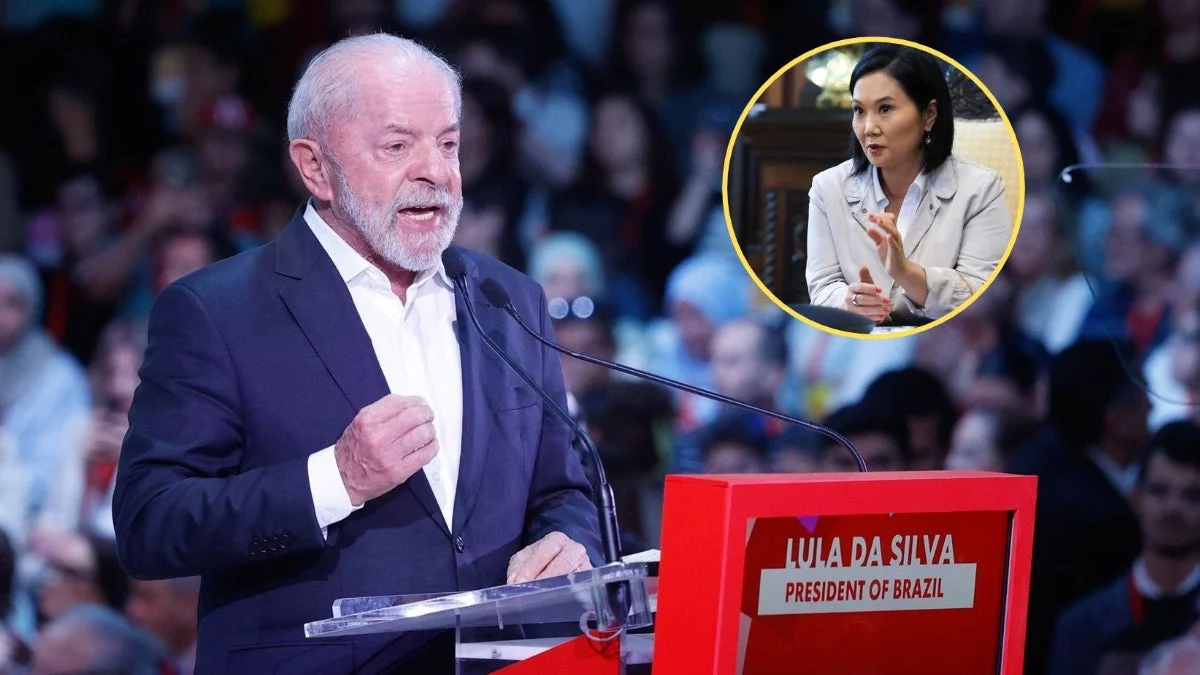
In a significant development for regional geopolitics, the newly elected President of Brazil, Luiz Inácio Lula da Silva, has formally responded to a congratulatory message from Peruvian President Keiko Fujimori. The exchange, conducted via the social media platform X (formerly Twitter), marks the beginning of what both leaders describe as a revitalized strategic alliance. As Lula prepares to embark on his fourth non-consecutive term, the dialogue between Brasília and Lima signals a departure from the isolationist tendencies of recent years, focusing instead on a shared, sustainable vision for the Amazon rainforest and deeper regional integration.
The electoral victory of the veteran leftist leader—who secured 51.79% of the vote against the 48.21% garnered by ultradear-right incumbent Flávio Bolsonaro—has sent ripples of optimism through South American diplomatic circles. By prioritizing the inclusion of indigenous communities and the sustainable management of the world’s largest tropical forest, the incoming Brazilian administration is positioning itself at the vanguard of a new environmental-diplomatic paradigm.
Chronology of the Electoral Transition
The road to this diplomatic rapprochement was defined by a fiercely contested election cycle that underscored the deep polarization within Brazilian society.
- October 2026 (The Run-off): Following a tense campaign, the Brazilian electorate went to the polls in a second-round run-off. The final tally confirmed a narrow but decisive victory for Lula da Silva, marking his return to the presidency.
- The Immediate Aftermath: Global leaders moved quickly to acknowledge the results. Among the first to reach out was Peruvian President Keiko Fujimori, who issued a formal statement celebrating the democratic process and the maturity shown by the Brazilian electorate.
- The Diplomatic Exchange: On October 26, 2026, President-elect Lula responded to Fujimori’s message. This exchange was not merely ceremonial; it served as a policy roadmap for the upcoming administration, highlighting the specific focus on the Amazonian basin and the 2027 bicentennial of bilateral relations.
Supporting Data: The Electoral Mandate and Regional Context
The 2026 election results in Brazil provide a stark picture of a nation divided yet seeking a new direction. The 3.58 percentage point margin between Lula and Bolsonaro reflects a country grappling with economic instability, environmental crises, and a fractured social contract.
Electoral Breakdown
- Lula da Silva (Left): 51.79%
- Flávio Bolsonaro (Right): 48.21%
- Total Turnout: Significant participation rates reflected the high stakes of the election, with millions of Brazilians turning out to determine the trajectory of the nation’s environmental and economic policies.
The Amazonian Imperative
The Amazon rainforest, which spans both Brazil and Peru, remains the cornerstone of the proposed alliance. Recent data from scientific monitoring agencies indicates that deforestation rates reached critical levels during the previous administration. The new proposed model of "development through conservation" is not only a diplomatic talking point but an economic necessity. By integrating the sustainable use of natural resources with the expertise of indigenous populations, both nations aim to mitigate the effects of climate change while fostering regional economic growth.
Official Responses and Diplomatic Vision
The dialogue between the two heads of state has been characterized by a forward-looking tone, emphasizing shared history and mutual prosperity.
President Keiko Fujimori’s Position
In her congratulatory message, President Fujimori underscored the importance of the "strategic alliance" between Peru and Brazil. Her administration, representing a pragmatic approach to regional governance, has identified four key pillars for cooperation:
- Strategic Integration: Enhancing infrastructure and trade corridors that link the Atlantic and Pacific coasts.
- Regional Cooperation: Strengthening existing frameworks like the Amazon Cooperation Treaty Organization (ACTO).
- Sustainable Development: Promoting joint ventures in bio-economy, renewable energy, and scientific research.
- Bicentennial Preparation: Setting the stage for the 2027 celebrations that will mark 200 years of diplomatic relations.
President-elect Lula’s Blueprint
Lula’s response was notably substantive, articulating a policy that transcends traditional trade agreements. He stated:
"We can strengthen regional integration through a new model of sustainable and inclusive development that unifies the conservation and sustainable use of the Amazon rainforest, recognizing the role of indigenous peoples and local communities."
This language suggests that the Brazilian government will prioritize "bottom-up" environmentalism—empowering the communities that reside within the rainforest to act as its primary stewards.
Implications: A Shift in Regional Geopolitics
1. Environmental Stewardship as Foreign Policy
The most profound implication of this new partnership is the elevation of the Amazon to the center of South American diplomacy. Historically, the Amazon was viewed primarily through the lens of national sovereignty. Under the new Lula-Fujimori framework, the region is being reframed as a "shared global asset" that requires coordinated management. This shift is likely to influence negotiations at upcoming COP summits and other international climate forums, where Brazil and Peru may now present a unified front.
2. The Empowerment of Indigenous Communities
By explicitly mentioning the "role of indigenous peoples," Lula is signaling a shift away from the extractive policies of the past. This approach carries significant domestic and international weight. Domestically, it promises to return land rights and political agency to marginalized groups. Internationally, it aligns with global trends that recognize indigenous knowledge as a vital component of successful conservation strategies.
3. Economic Integration and Infrastructure
The 2027 bicentennial serves as a deadline for the two countries to demonstrate tangible progress in their bilateral ties. Discussions are expected to revolve around the "Bioceanic Corridor," a long-discussed project that would connect the Brazilian Atlantic coast to the Peruvian Pacific ports. This would not only reduce transportation costs for goods but also solidify the economic interdependence of the two nations, insulating them against external supply chain shocks.
4. Navigating Political Realities
The collaboration between a left-leaning leader like Lula and a center-right figure like Fujimori is a testament to the "pragmatic regionalism" currently emerging in South America. Despite their ideological differences, both leaders recognize that neither country can solve the challenges of climate change or economic stagnation in isolation. This alliance may serve as a model for other regional actors, demonstrating that shared environmental and economic interests can bridge deep political divides.
Conclusion: Looking Toward 2027
The upcoming celebration of 200 years of diplomatic relations between Brazil and Peru is not merely a ceremonial milestone; it is a catalyst for renewed cooperation. As Lula da Silva prepares to take the oath of office for his fourth term, the expectations are high. The success of this administration will be measured not just by the outcome of domestic policies, but by its ability to lead a unified, sustainable, and inclusive South American bloc.
The partnership with Peru, defined by respect for indigenous knowledge and a commitment to the preservation of the Amazon, provides a clear path forward. If successfully executed, this model of "inclusive sustainability" could redefine the region’s role in the 21st-century global order, transforming the Amazon from a site of exploitation into a sanctuary of shared prosperity and environmental resilience.
As the international community watches, the dialogue between Brasília and Lima suggests that South America is moving toward a more mature, collaborative, and environmentally conscious future—one where the borders that once divided the Amazon are replaced by the corridors that connect it.