Executive Summary: A New Gateway for Lima
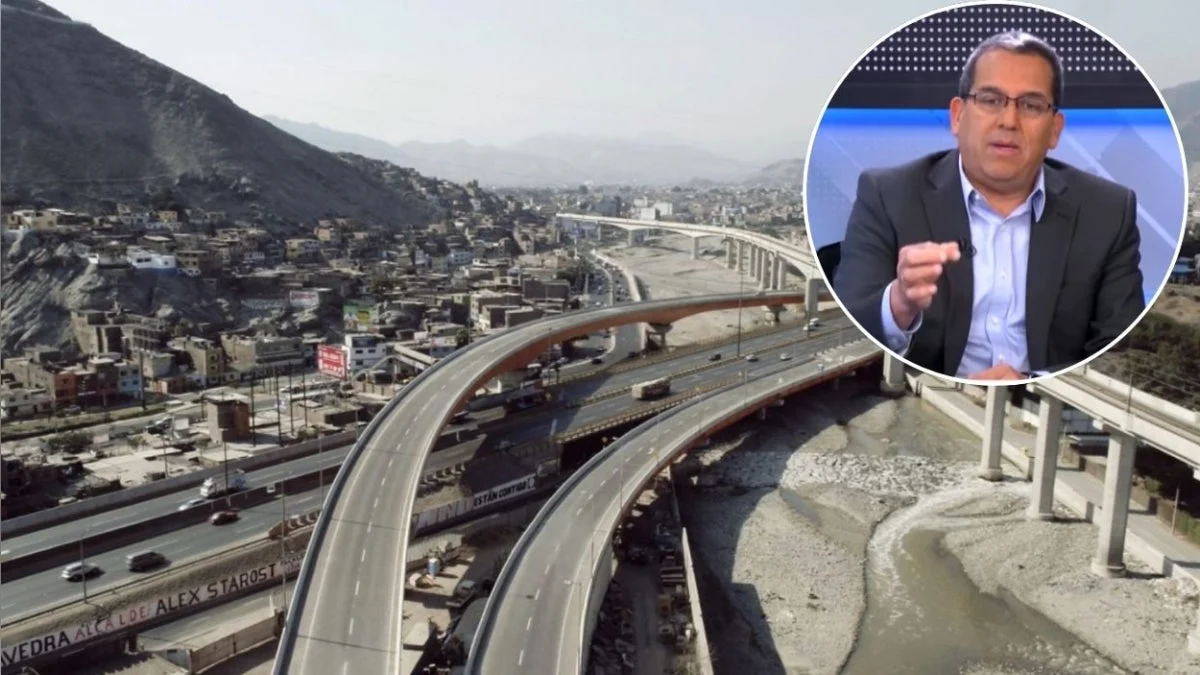
In a strategic move aimed at decongesting one of the most critical transit corridors in Peru, Lima Expresa—the concessionaire responsible for the Lína Amarilla expressway—has announced a major infrastructure initiative. The project, a high-level viaduct designed to provide a direct, seamless connection between the Lína Amarilla expressway and the Jorge Chávez International Airport, is poised to redefine urban mobility in the capital.
With an estimated investment ranging between $150 million and $180 million, the project aims to eliminate the chronic bottlenecks currently plaguing the intersection with Avenida Faucett. According to Raúl Díaz, General Manager of Lima Expresa, the initiative has already received preliminary acceptance from the Ministry of Transport and Communications (MTC) and is scheduled for completion by the third quarter of 2028. This infrastructure leap is not merely a construction project; it is a vital necessity to accommodate the growing passenger traffic associated with the airport’s expansion and the increasing volume of vehicles in the Lima-Callao metropolitan area.
The Core Project: Engineering a Path to Efficiency
The centerpiece of this ambitious plan is a sophisticated elevated viaduct. Currently, motorists traveling toward the airport via Lína Amarilla face significant delays as they transition to local arterial roads, most notably the congested Avenida Faucett. These delays, often caused by traffic lights and heavy urban transit, negate the time-saving benefits of the expressway.
Technical Specifications and Connectivity
The project is far more than a single overpass. It is a comprehensive overhaul of the surrounding road network, featuring:
- The Elevated Viaduct: A structure designed to bypass the Faucett intersection entirely, allowing for a fluid, non-stop flow of traffic directly toward the terminal.
- Five Additional Modules: These include new connections and high-capacity returns designed to facilitate complex traffic movements between the districts of Lima and the port city of Callao.
- Strategic Integration: The project optimizes the connection with Avenida Morales Duárez, which serves as a natural extension of Lína Amarilla. By formalizing these access points, the city will create a high-speed artery that bridges the gap between the eastern and central parts of the city and the airport.
"The most visible element of this project is the viaduct that will soar over Faucett," explained Raúl Díaz during an appearance on RPP’s Negocios 360. By segregating airport-bound traffic from local urban commuters, the project effectively creates a "fast lane" that will drastically reduce travel times for international and domestic travelers.
Chronology of Development: From Concept to Completion
The journey toward this infrastructure milestone involves a rigorous series of bureaucratic and technical hurdles. While the project is currently in the "accepted initiative" phase, the road to the 2028 inauguration is clearly mapped.
1. Phase One: Pre-Engineering and Feasibility (Current)
Lima Expresa has been working behind the scenes to finalize the pre-engineering studies. This phase ensures that the structural design is compatible with the existing geological conditions and urban density of the Callao region.
2. Phase Two: Detailed Engineering (Starting January 2025)
Beginning in January, the project will transition into the detailed engineering phase. This involves creating the final blueprints, performing stress tests, and conducting environmental impact assessments.
3. Phase Three: Regulatory Approval and Permitting
Following the engineering phase, the project must navigate the complex landscape of municipal and national permits. This stage includes coordinating with local governments to ensure minimal disruption to surrounding neighborhoods during the construction phase.
4. Phase Four: Construction (2026–2028)
If the project adheres to its current timeline, heavy construction will commence following the formal adjudication. The use of the "Obras por Impuestos" (Works for Taxes) modality is being considered, a mechanism that allows private companies to invest in public infrastructure in exchange for tax credits, effectively accelerating the execution of public works.
Supporting Data: Addressing the Mobility Gap
The necessity of this project is underscored by a stark disparity in urban growth. Data provided by Lima Expresa highlights a widening "mobility gap" in the capital.
The Vehicle-to-Road Ratio
Over the last decade, the physical road capacity in Lima has expanded by a meager 5%. Conversely, the city’s vehicle fleet has exploded, growing by nearly 40%. This mathematical imbalance is the root cause of the gridlock that has become synonymous with daily life in Lima.
By targeting the bottleneck at the Jorge Chávez airport—a node that handles millions of passengers annually—the government and private sector are prioritizing the areas where the economic impact of congestion is most severe. The $180 million investment is calculated to provide a high return on investment (ROI) by boosting the productivity of commuters and the logistics efficiency of cargo transport associated with the airport.
The Broader Strategy: A 10-Point Plan for Lima
The airport access project is just one component of a larger vision. Lima Expresa has proposed a comprehensive package of 10 infrastructure interventions to the Municipalidad Metropolitana de Lima (MML). These projects are designed to act as a systemic upgrade to the Evitamiento and Lína Amarilla expressways.
Key Components of the 10-Point Plan:
- Peaje Redesign: Modernizing the layout of three major toll plazas to increase vehicle throughput and encourage the adoption of electronic payment systems, which minimize idling time.
- Bus Stop Reorganization: Relocating five key bus stops to move heavy public transport vehicles out of the main lanes of the expressway, reducing lane-changing friction.
- Acho and Monterrico Improvements: Expanding access points in the Acho sector and constructing an additional elevated viaduct in the Monterrico area (over Avenida Las Palmeras) to bridge the gap with Avenida Quechuas in Salamanca.
These interventions are designed to be complementary. By improving the "feeder" routes and the main expressways simultaneously, the city can create a network that is resilient to peak-hour pressure.
Official Responses and Economic Implications
The reception to these proposals has been largely positive, though authorities remain focused on the regulatory requirements for such high-impact works.
The Financial Question: Will Tolls Increase?
A common concern for citizens regarding large-scale infrastructure is the potential for increased costs. Addressing this, Raúl Díaz was categorical: the proposed improvements will not trigger an automatic hike in toll fees.
"The tariff structure is strictly governed by the existing concession contract," Díaz noted. "Any adjustments are linked solely to inflation and currency fluctuations, as mandated by the contract. These infrastructure upgrades are part of our commitment to improving the service and efficiency of the existing infrastructure, not a pretext for rate increases."
The Economic Catalyst
The economic implications for the Callao region and the Lima metropolitan area are significant. By reducing the "last mile" travel time to the airport, the city becomes more attractive to business travelers and international tourists. Furthermore, the construction phase itself is expected to generate thousands of direct and indirect jobs, providing a stimulus to the local construction and engineering sectors.
Conclusion: Looking Toward 2028
The construction of the Lína Amarilla–Airport viaduct represents a critical turning point for Peruvian urban planning. By moving away from reactive traffic management and toward long-term, high-capacity infrastructure, Lima is preparing for a future as a more connected and efficient regional hub.
As the project moves into the detailed engineering phase in early 2025, the eyes of the public and the transport sector will be on the MTC and the Municipalidad de Lima to ensure that bureaucratic hurdles do not impede the 2028 delivery target. If successful, this $180 million investment will stand as a testament to the power of public-private cooperation in solving the complex challenges of the 21st-century megacity.
With the Jorge Chávez airport continuing its expansion as the gateway to South America, ensuring that the road leading to its doors is as efficient as its runways is a priority that can no longer be delayed. The project is not just building a road; it is building a vital artery for the economic health of Peru.