By Editorial Staff, Peru Construye
In a significant stride toward regional development, the Regional Government of Huánuco, under the leadership of Governor Antonio Pulgar, has successfully executed a comprehensive infrastructure overhaul within the education sector. Between January 2023 and the first semester of 2026, the administration deployed a massive investment package totaling over S/ 168.8 million, directly impacting the educational landscape across the region’s 11 provinces. This initiative, designed to close long-standing infrastructure gaps, has benefited more than 100,000 students, ranging from early childhood education to higher technological training.
The Scale of Investment: Bridging the Educational Gap
The core objective of the Pulgar administration’s educational policy has been the modernization of learning environments. By channeling S/ 168,813,653.74 into 49 distinct projects, the regional government has sought to move beyond mere maintenance, focusing instead on the construction of modern, resilient facilities that cater to the specific needs of both urban and rural populations.
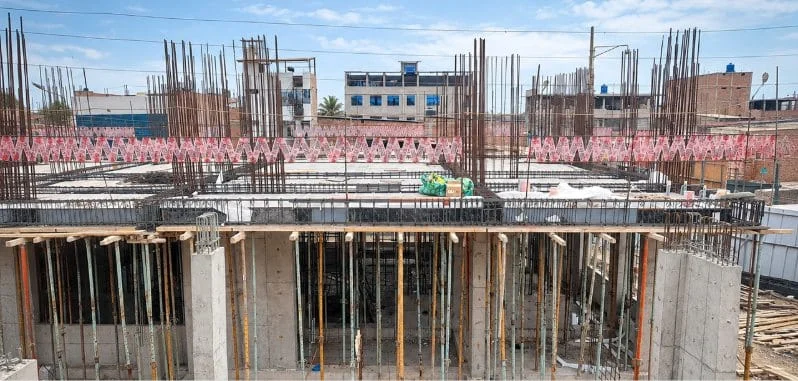
Of the total budget, approximately S/ 149.2 million was strictly allocated for the construction and finalization of new school facilities. This capital injection represents one of the most substantial investments in educational physical assets in Huánuco’s recent history. The projects span the geographical breadth of the region, ensuring that even remote communities are equipped with modern classrooms, administrative areas, and essential school infrastructure.

Chronology of Progress: A Strategic Rollout (2023–2026)
The execution of these 49 projects was not a singular event but a calculated, multi-year strategy.
- Phase I (2023): Initial focus was placed on critical infrastructure projects that had been stalled or left unfinished by previous administrations. The government prioritized the completion of primary schools such as the I.E. N° 530 in Yacumarca and I.E. N° 092 in Sachavaca. This phase established the logistical framework for larger-scale interventions.
- Phase II (2024): The focus shifted to urban hubs like Pillco Marca and Amarilis, where population growth had put immense pressure on existing facilities. The construction of institutions like "Mi Pequeño Mundo" and "Juan Velasco Alvarado" highlighted the administration’s commitment to urban educational density.
- Phase III (2025 – H1 2026): The final stretch of this period saw the completion of complex projects, including major upgrades to technological institutes and the widespread implementation of roof covers (coberturas) to protect students from the region’s varied climatic conditions.
Key Infrastructure Milestones
The list of completed works serves as a testament to the regional government’s reach. Among the most notable projects are:
- Primary Education: The completion of I.E. N° 683 (Amarilis), I.E. José Carlos Mariátegui (Pueblo Nuevo), I.E. Víctor Reyes Roca (Luyando), and I.E. N° 32413 (Punchao). These schools are now modernized with standard-compliant classrooms and sanitation facilities.
- Higher Education: Recognizing that infrastructure is equally critical for workforce development, the administration prioritized the Instituto Superior Tecnológico de Puerto Inca. Furthermore, significant improvements were made to the Instituto José Crespo y Castillo in Aucayacu, including the addition of new sports complexes and academic wings, and major structural enhancements at the Instituto Tecnológico Aparicio Pomares in Amarilis.
- Rural Outreach: Smaller, yet vital projects were concluded in remote areas such as Pagshag (Churubamba), Illahuasi (Puños), Carhuapata (Jacas Grande), Afilador (Tingo María), and Cashapampa (Monzón). These schools act as social anchors for their respective communities.
Enhancing Resilience: The Coberturas Initiative
A critical, yet often overlooked, aspect of the regional investment plan was the allocation of S/ 19,546,267.20 specifically for the construction of "coberturas" (roofed playgrounds/multifunctional areas).
In many parts of Huánuco, extreme weather—ranging from intense solar radiation to heavy rainfall—prevents students from utilizing outdoor spaces for physical education or community events. By installing these protective covers across 22 different localities, including Huánuco, Santa María del Valle, Yuyapichis, Tournavista, Puerto Inca, and Llata, the regional government has ensured that students have safe, sheltered areas for physical activity and socialization, regardless of the climate.

Official Perspective: Closing the Inequality Gap
Governor Antonio Pulgar has frequently characterized these infrastructure projects as "the foundation for social mobility." In recent briefings, the regional leadership emphasized that physical infrastructure is the first step toward improving academic performance.
"We are not merely building walls and roofs; we are building dignity for our students," stated a regional spokesperson. "When a student in a remote area like Jacas Grande has access to a facility comparable to those in the capital, we are effectively leveling the playing field. This is how we combat the cycle of poverty and ensure that the next generation of Huánuco’s citizens is prepared for the modern workforce."
The administration has also emphasized that the selection of these 49 projects was based on technical reports assessing the most urgent needs. By prioritizing schools with the highest risk of structural failure, the government has aimed to maximize the safety and longevity of its investments.
Socioeconomic Implications and Future Outlook
The impact of these 49 projects extends beyond the classroom. The construction phase itself generated significant local employment, providing income for thousands of workers in the construction and logistics sectors across the 11 provinces.

Furthermore, the improvement of technological institutes like the Aparicio Pomares is a strategic move to align regional vocational training with the demands of the local economy, particularly in the sectors of agriculture, commerce, and sustainable development. By providing students with better workshops and laboratories, the region is positioning itself to foster a more skilled workforce, which is essential for regional economic competitiveness.
The Challenges Ahead
While the progress made between 2023 and 2026 is substantial, the regional government acknowledges that the work is far from finished. Huánuco’s geography, characterized by high-altitude Andean zones and complex Amazonian terrain, continues to present challenges for maintenance and new construction. The administration has hinted at a second wave of investments aimed at digitalization and the integration of technological tools into these newly refurbished classrooms.
Conclusion
The S/ 168.8 million investment in Huánuco’s educational sector represents a milestone in regional governance. By focusing on both large-scale school construction and critical protective infrastructure, the government has addressed the immediate needs of over 100,000 students. As these facilities begin to operate at full capacity, the long-term success of these projects will likely be measured by improved enrollment rates, higher student retention, and ultimately, better academic outcomes for the youth of Huánuco.
As the regional government looks toward the remainder of its term, these 49 projects serve as the primary benchmark for its development agenda, signaling a move toward a more integrated, better-equipped, and resilient educational system.