Executive Summary: The Sudden Shift in Congressional Allegiances
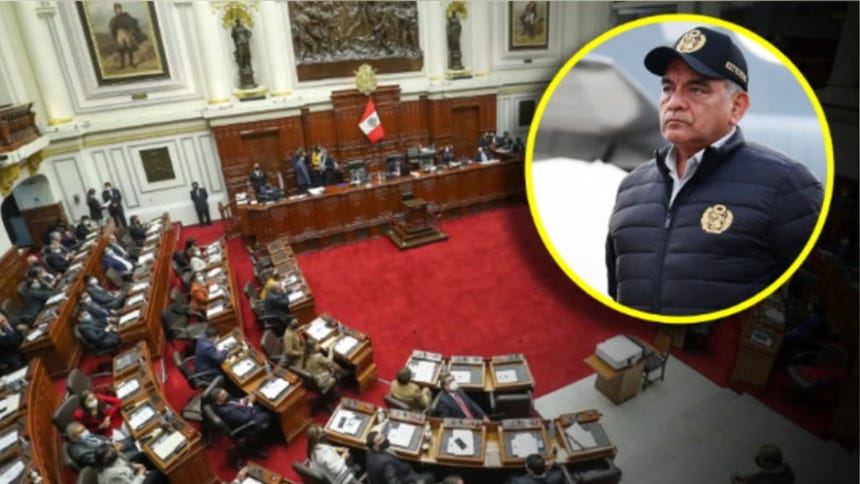
In a dramatic turn of events that has sent shockwaves through the corridors of power, the scheduled censure motion against Interior Minister César Astudillo has been unceremoniously derailed. The initiative, which aimed to remove the Minister from his post due to alleged leadership failures and professional unsuitability, collapsed on the eve of the plenary session.
The motion, which had gained significant traction over the past week, hit a legislative wall when three members of the OBRAS parliamentary group—Luis Masco Cáceres, Heber López, and Víctor Piñan—formally retracted their support. By withdrawing their signatures, the trio effectively stripped the motion of the constitutionally required threshold of support, forcing the Office of the Clerk (Oficialía Mayor) to suspend the session originally slated for Thursday, October 1.
This development highlights the fragile nature of political alliances within the current legislative landscape and raises questions regarding the internal discipline of the opposition bloc.
The Chronology of a Failed Censure
To understand the gravity of this collapse, one must examine the timeline of the attempt to remove Minister Astudillo from his portfolio.
The Buildup (Late September)
The motion was introduced last week, spearheaded by an unlikely coalition of parliamentary groups, including Juntos por el Perú (JPP), Buen Gobierno, and OBRAS. Initially, the motion garnered 35 signatures, comfortably surpassing the procedural requirements to bring the matter to a floor debate. The central arguments presented by the proponents centered on what they described as "incapacity of leadership" and a profound "lack of idoneity" regarding the management of the Interior Ministry.
The Cracks in the Facade (September 30)
Internal fractures began to show early this week. José Marcelo, a prominent deputy from the Ahora Nación faction, publicly announced that his bench had reached a consensus by majority vote to abstain from supporting the censure. This signaled that the coalition was far more fragile than the initial count suggested.
The Collapse (October 1)
The final blow occurred when Luis Masco Cáceres, Heber López, and Víctor Piñan submitted formal letters to the Office of the Clerk of Congress. These documents explicitly requested the removal of their signatures from the initiative. By early Wednesday, it became mathematically impossible to proceed with the motion. Consequently, the Congress issued an official statement via its digital platforms, confirming that the legislative requirement for a censure vote was no longer met and, therefore, the Thursday plenary session would not proceed as planned.
Supporting Data: The Mechanics of Legislative Censure
In the parliamentary system governing this body, a censure motion is one of the most potent tools of control available to the legislative branch. However, it is protected by specific safeguards to prevent frivolous or purely obstructionist challenges.
Constitutional Thresholds
For a censure motion to be debated and voted upon, it must be supported by a minimum number of signatories—a mechanism designed to ensure that the request has a broad base of political backing. When Masco, López, and Piñan withdrew their support, they effectively fell below this minimum quota.
The Cost of Political Instability
The failure of this motion serves as a case study in "legislative attrition." Analysts note that when a motion is filed but fails to reach the voting stage, it often strengthens the position of the official in question, providing them with a temporary mandate of confidence. For Minister Astudillo, the withdrawal of support is a tactical victory that allows the executive branch to continue its agenda without the immediate threat of a cabinet reshuffle.
Official Responses and Political Repercussions
The reaction from the political spectrum has been polarized. While the government has remained largely silent, preferring to allow the parliamentary process to play out, the opposition is reeling from the sudden shift.
The OBRAS Faction’s Silence
As of press time, neither Masco Cáceres, López, nor Piñan have issued a formal statement explaining their sudden change of heart. Their silence has fueled intense speculation in the media. Rumors range from behind-the-scenes negotiations with the executive branch to internal disagreements regarding the specific charges leveled against Minister Astudillo.
Opposition Disarray
Leaders of the JPP and Buen Gobierno groups have expressed frustration, labeling the withdrawal as "a betrayal of the parliamentary commitment." Critics of the government argue that this collapse demonstrates the executive branch’s ability to "buy" loyalty through political favors or pork-barrel politics, though no evidence of such activity has been presented.
Implications for the Ministry of the Interior
The survival of Minister César Astudillo is not merely a procedural victory; it has deep implications for the future of public safety and national policy.
A Strengthened Mandate?
With the threat of censure removed, the Ministry of the Interior is expected to double down on its current policies. Astudillo, who has faced criticism regarding his administrative style, will likely view this event as a validation of his leadership. However, the underlying criticisms—the "lack of idoneity" and "leadership failures"—remain in the public discourse. The Minister must now prove that the confidence shown by the legislative shift is deserved.
The Future of Opposition Coalitions
The collapse of the motion serves as a cautionary tale for opposition groups. Attempting to build a majority based on thin ideological alignments often results in vulnerability to political pressure. Moving forward, the opposition is expected to be more cautious in launching high-stakes challenges unless they are absolutely certain of the unity of their ranks.
Public Perception
For the average citizen, this legislative maneuver reflects the broader dissatisfaction with political gamesmanship. While the opposition sought to hold the executive accountable, the ultimate failure of the motion leaves the public wondering if the censure was a legitimate attempt to improve ministerial performance or merely a political performance.
Analysis: The Dynamics of Power in the Congress
The events of the last 48 hours provide a rare window into the internal power dynamics of the current Congress.
- The Weight of Individual Agency: The fact that three deputies could single-handedly derail a major legislative initiative highlights the immense power held by individual lawmakers in a fragmented parliament.
- The Role of Backroom Diplomacy: While the public plenary is where votes are cast, the real political work happens in the offices of the deputies. The pressure exerted on the OBRAS members was clearly intense, suggesting that the government remains a highly active player in lobbying its own legislators.
- The Fragility of the Censure Tool: The censure is meant to be an extreme measure. When it is used frequently or when the coalition behind it is weak, it risks becoming a blunt instrument that loses its effectiveness.
Conclusion: Looking Ahead
As the dust settles, the focus shifts to the legislative agenda for the coming weeks. The failed censure motion against César Astudillo will likely be remembered as a turning point in the current session—a moment where a major challenge to the status quo evaporated due to the shifting loyalties of a few.
The opposition now faces the difficult task of regrouping. To remain relevant, they must demonstrate that their concerns regarding the Interior Ministry were rooted in objective failure rather than political opportunism. Meanwhile, the executive branch must recognize that while they have survived this challenge, the legislative environment remains volatile.
The suspension of the Thursday session is not just a procedural update; it is a signal that the political chessboard has changed. For now, Minister Astudillo remains in his post, but the political shadow cast by this attempted censure will undoubtedly loom over his every decision in the months to come. The question remains: was this a temporary reprieve for the Minister, or a permanent shift in the balance of power? Only time—and the next round of legislative negotiations—will tell.