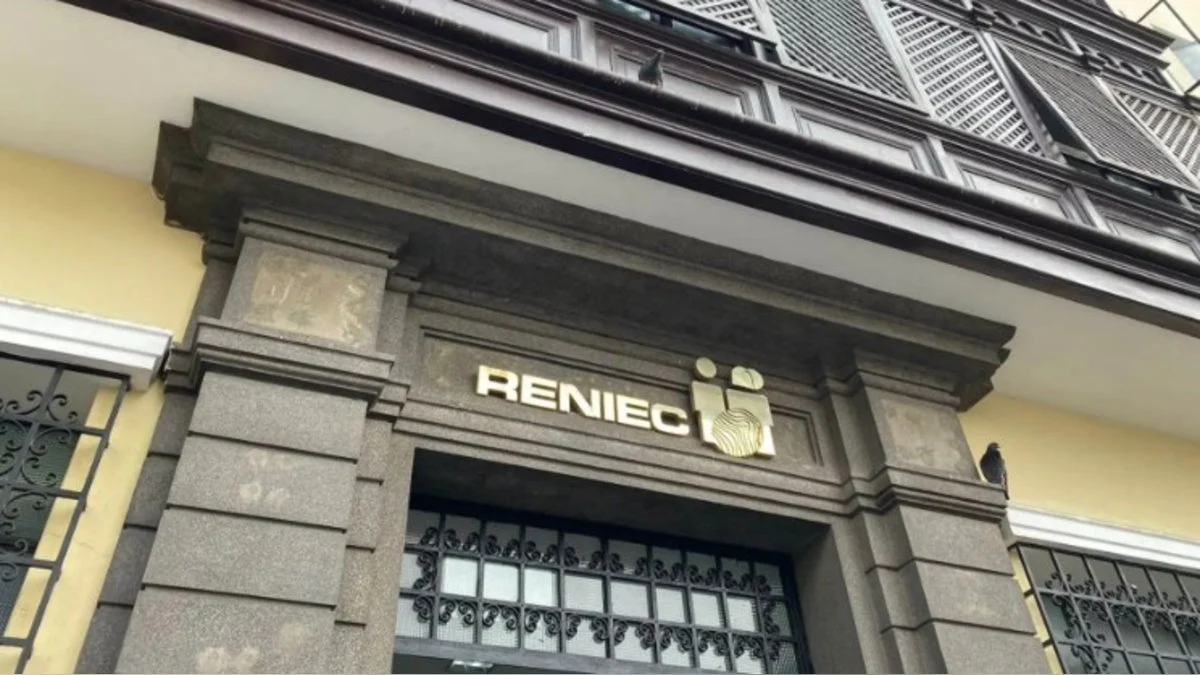
In a critical milestone leading up to the 2026 Regional and Municipal Elections (ERM), the National Registry of Identification and Civil Status (Reniec) has finalized its comprehensive data transfer to the National Office of Electoral Processes (ONPE). This procedural conclusion marks the end of a rigorous, multi-stage operation aimed at ensuring the highest level of accuracy for the electoral roll, which serves as the backbone of Peru’s democratic exercise scheduled for October 4, 2026.
With the delivery of the third and final batch of citizen data, Reniec has effectively refined the electoral landscape, ensuring that the information used to organize polling stations, print ballots, and manage voter distribution is reflective of the most current demographic reality in the country.
The Final Delivery: Precision in Electoral Logistics
The third and final dispatch, delivered this past Friday, contains a total of 133,293 updated records. These records represent the culmination of an intensive processing period that concluded on September 24, 2026. By transferring this data to the ONPE, Reniec provides the electoral authority with the necessary tools to finalize the logistical framework required for the upcoming elections.
This specific delivery was partitioned into three distinct analytical files, each serving a vital function in the integrity of the voting process:
- Deceased Voter Management: The first file consists of 16,953 records of citizens who passed away after the official closure of the electoral roll, which was set for April 7, 2026. Removing these individuals from the active voter list is essential to preventing electoral fraud and maintaining the statistical accuracy of turnout percentages.
- Demographic and Identity Updates: The second file includes updated photographs for 7,710 citizens. These individuals primarily consist of new voters who turned 18 and renewed their National Identity Documents (DNI) following the formal closure of the electoral registry. High-quality, current identification is paramount for the verification process at polling tables.
- Domicile Modifications: The third and largest file contains 108,630 records of citizens who updated their residential addresses, with data processed up to September 23, 2026. Accurate residency information is critical for the ONPE to assign voters to the correct polling stations, thereby facilitating geographic proximity and voter accessibility.
A Chronology of Systematic Refinement
The final delivery did not occur in a vacuum; it was the culmination of a systematic, three-part strategy initiated by Reniec in the summer of 2026. This phased approach allowed the electoral bodies to digest and integrate information incrementally, reducing the risk of errors that could arise from a massive, single-batch data transfer.
- First Phase (July 14, 2026): Reniec initiated the update process with a significant delivery of 248,798 data points. This initial wave established the foundation for the 2026 electoral infrastructure, addressing the largest backlog of pending updates.
- Second Phase (August 21, 2026): The second installment provided 134,462 updated records, ensuring that mid-summer changes in civil status and residency were captured and accounted for by the ONPE’s logistical teams.
- Third Phase (September 26, 2026): The final delivery of 133,293 records brought the total count of processed updates to 516,553.
By analyzing these figures, one can observe the diligent pace at which Reniec managed the flow of civil registry information. The combined volume of over half a million updates underscores the massive administrative effort required to keep a national electoral registry synchronized with a dynamic, mobile, and changing population.
The Magnitude of the Operation: Supporting Data
To understand the scope of this operation, one must consider the sheer volume of data being handled. The total of 516,553 records represents approximately 2% of the total eligible voter population in many democratic systems of similar scale. The meticulous nature of this work—categorizing deaths, new voters, and address changes—serves as a safeguard for the legitimacy of the results.
Reniec’s ability to process these figures while maintaining the security of citizen data is a testament to the digitization efforts of the institution. The integration of DNI-e (Electronic DNI) technology, which has been the subject of recent free distribution campaigns, has likely contributed to the ease with which citizens have been able to update their status, thereby feeding more accurate information into the system.
Official Responses and Institutional Synergy
The relationship between Reniec and the ONPE is a partnership of interdependence. Reniec acts as the "source of truth" regarding citizen identity, while the ONPE acts as the "executive arm" that translates that truth into a functioning voting process.
In recent communications, Reniec officials emphasized that these updates are not merely administrative tasks; they are "essential requirements for the organization of the elections." By providing the ONPE with this updated information, Reniec ensures that the logistical requirements—such as the printing of voter lists and the preparation of election materials—are based on the most current data available.
The ONPE, for its part, is now tasked with integrating these final 133,293 records into their internal systems. This integration is a high-stakes process. Any delay or error in this stage could lead to voters being assigned to incorrect districts or the presence of inconsistencies on election day, which could spark public distrust. Therefore, the collaboration between these two entities is monitored closely by both the Peruvian public and international observers.
Implications for the 2026 Regional and Municipal Elections
The implications of this update process are wide-reaching. For the voters, it means a more streamlined experience on October 4. Those who have moved to new districts will find themselves registered in the correct voting venue, and those who have recently reached the age of majority will be correctly identified as eligible voters.
For the political candidates and parties competing in the 2026 ERM, the finality of the electoral roll provides a definitive "playing field." Knowing exactly who is registered, where they are registered, and how many voters are in each district allows campaigns to calibrate their strategies, allocate resources more efficiently, and engage in targeted outreach.
Furthermore, from a democratic integrity perspective, the systematic removal of deceased individuals and the inclusion of updated photos mitigate common vectors of electoral fraud. The transparency of this process—publicly announcing the number of records and the nature of the updates—builds institutional trust. It signals to the electorate that the state is actively working to prevent the "ghost voting" and clerical errors that have plagued electoral processes in less developed administrative systems.
Challenges and Future Outlook
While the completion of these updates is a significant victory for administrative efficiency, it also highlights the inherent challenges of managing a national registry. In a country with significant internal migration and a high volume of civil status changes, the electoral roll is in a constant state of flux.
Moving forward, the challenge for Reniec will be to continue shortening the gap between the "real-time" status of a citizen and the "electoral" status reflected on the voting day rolls. The current system, while robust, relies on a closure date (April 7, 2026) to manage complexity. As technology continues to evolve, the expectation from the public will likely be for a more dynamic, real-time electoral registry that can accommodate changes closer to the date of the election without compromising security.
Additionally, the focus on digital identity, exemplified by the promotion of the Electronic DNI, suggests that the future of Peruvian elections will be increasingly tied to digital verification. The success of the 2026 elections will serve as a pilot for the scalability of these digital identity tools in a national political context.
Conclusion
The delivery of the final 133,293 updated records by Reniec to the ONPE marks the closing of a vital chapter in the preparations for the 2026 Regional and Municipal Elections. With over 516,000 updates processed, the electoral authorities have demonstrated a commendable commitment to the accuracy and reliability of the democratic process.
As the nation looks toward October 4, 2026, the citizens of Peru can have a higher degree of confidence that their electoral registry is as accurate as modern administrative systems allow. The synergy between Reniec’s identification services and the ONPE’s electoral organization remains the cornerstone of the nation’s democratic stability. With the technical foundation now firmly in place, the focus of the nation will naturally shift toward the political discourse, the campaigns, and the choices that citizens will make at the ballot box.