By Luis Rodriguez J.
International Correspondent
The Peruvian social security system, EsSalud, currently stands at a critical crossroads. Following the high-profile removal of Jaime Moreno from the presidency of the institution, the government has declared an emergency-style "transition period" aimed at curbing what the Ministry of Labor describes as a catastrophic decline in operational and administrative capacity.
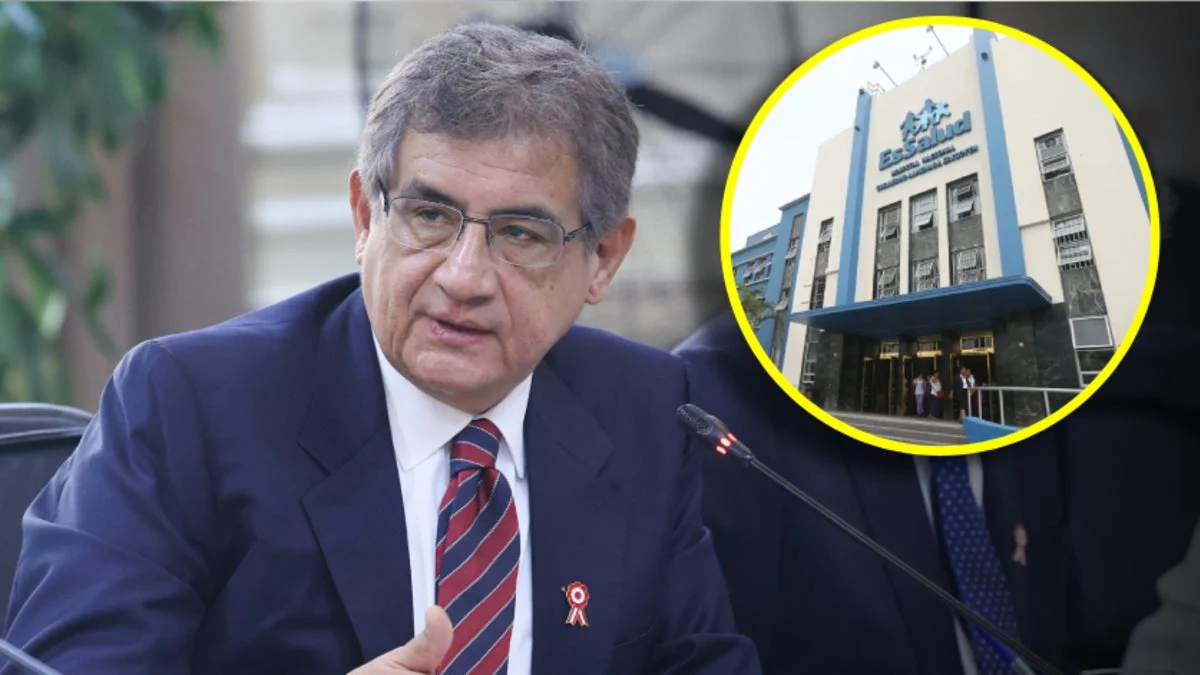
Minister of Labor Juan Sheput, in a candid interview with RPP, confirmed that the administration is committed to a top-to-bottom restructuring of the state-run health insurance provider. As the nation watches closely, the government’s immediate priority is to restore the faith of millions of policyholders who have endured years of systemic failures, ranging from medication shortages to debilitating waiting lists.
The Core Crisis: A System in "Disaster"
The term "disaster" was not used lightly by Minister Sheput. In his assessment of the state of EsSalud, he articulated a reality that many Peruvian citizens have experienced firsthand: a health infrastructure struggling under the weight of inefficiency, lack of supplies, and administrative mismanagement.
"The state in which we are finding EsSalud is not a state of excellence or quality; it is a disaster," Sheput stated. This blunt assessment serves as the cornerstone for the government’s new policy trajectory. The administration argues that the previous leadership failed to address the foundational rot within the organization, leading to a degradation of services that has reached a breaking point.
The appointment of Hilda Sandoval Cornejo—who currently serves as the Vice Minister of Labor—to take over the reins is seen as a move toward stabilizing the institution. Sandoval, who already held a seat as the representative of the State on the EsSalud Board of Directors, provides a continuity of oversight that the government hopes will prevent further volatility during this transition.
Chronology of the Leadership Transition
To understand the current volatility, one must look at the timeline of events that led to the removal of Jaime Moreno and the subsequent shift in policy:
- Pre-2024 Context: Persistent reports of procurement failures and lack of specialized medical equipment in major hospitals across Lima and regional hubs sparked public outcry.
- The Breaking Point: Internal audits and mounting public pressure regarding the quality of patient care culminated in the government’s decision to re-evaluate the leadership of the social security system.
- The Removal: Jaime Moreno was officially removed from his position as President Executive of EsSalud, marking the end of a tenure characterized by high-profile scrutiny.
- The Interim Shift: Hilda Sandoval Cornejo was tapped immediately to take charge. Her dual role as Vice Minister and board representative ensures that the Ministry of Labor has direct, hands-on control over the remedial measures being implemented.
- The Announcement: Minister Sheput formalized the government’s intent to conduct a search for a permanent successor, emphasizing that the candidate must possess "capacity, decency, and an impeccable track record."
Supporting Data: Why EsSalud Requires Reform
The criticism directed at EsSalud is not merely anecdotal. Statistical data over the past three years highlights the structural fragility of the institution:
1. The Waiting List Epidemic
According to institutional reports, wait times for specialized surgeries and consultations have doubled since the post-pandemic period. The bottleneck in surgical scheduling remains one of the primary drivers of public dissatisfaction, with patients waiting months for procedures deemed "non-urgent" despite their debilitating nature.
2. Supply Chain Disruptions
Pharmacological data indicates that the stock-out rate for essential medications—particularly for chronic conditions like diabetes and hypertension—has fluctuated between 20% and 35% in major regional hospitals. This failure to maintain an adequate supply of life-saving drugs has been a major point of contention for labor unions and patient advocacy groups.
3. Budgetary Inefficiency
While EsSalud receives a significant portion of its revenue from payroll contributions, auditors have long flagged the institution for high overhead costs. A disproportionate amount of the budget is consumed by administrative functions rather than direct patient care, a trend that Minister Sheput has vowed to reverse.
Official Responses and Stakeholder Perspectives
The government’s decision to move toward a "transition period" has garnered a mixed, yet cautious, response from various sectors of Peruvian society.
The Ministry of Labor’s Vision
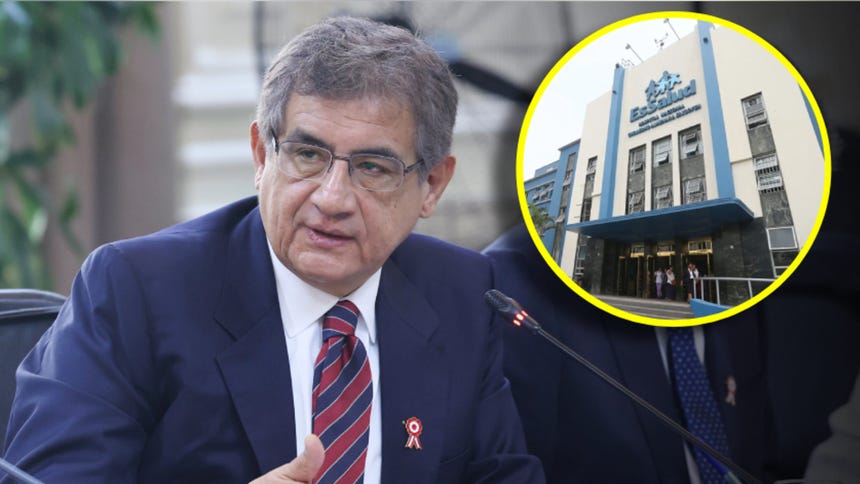
Minister Sheput has emphasized that the transition is not merely about personnel, but about methodology. He has suggested that the selection process for the next president will be rigorous. The government is looking for an individual capable of navigating the complex political landscape of public health while implementing technical reforms that prioritize efficiency and transparency.
Labor Unions and Employee Concerns
Representatives of the EsSalud workers’ unions have expressed a guarded optimism. For years, frontline workers have decried the lack of resources and the administrative burdens placed upon them by central management. They are currently calling for greater involvement in the transition process, arguing that the people on the ground are the best judges of what needs to be fixed.
Public Reaction
On social media and through public forums, the sentiment is one of "wait and see." While the removal of leadership is perceived as a positive first step, the public is weary of political promises. The demand for "sustantiva y progresiva" (substantial and progressive) change, as promised by the Minister, is the yardstick by which the success of this transition will be measured.
Implications: A Path Toward Stabilization
The implications of this shift are far-reaching. If the government succeeds in reforming EsSalud, it could serve as a model for public sector modernization in Peru. If it fails, the consequences will be severe, potentially impacting the health of millions of contributors who rely on the system for their basic medical needs.
Technical Reform vs. Political Appointments
The central challenge for the Ministry of Labor will be to ensure that the appointment of the new president is based on technical merit rather than political patronage. By explicitly stating that the next leader must have an "adequate trajectory," the government is setting a high bar for itself. The public will be watching to see if the eventual appointment lives up to this rhetoric.
The Financial Sustainability of the System
Beyond the immediate quality of care, there is the question of long-term financial health. The current "disaster" state, as described by Sheput, implies that financial reserves have been depleted or mismanaged. The transition period must involve an audit of the institution’s finances to determine how to better allocate resources to frontline medical services.
Transparency and Accountability
Perhaps the most important implication of this move is the signal it sends regarding accountability. By removing the head of the institution, the government has signaled that leadership is responsible for the systemic failures of their organizations. This sets a precedent for other public entities in the country.
Conclusion: A Critical Juncture
The road ahead for EsSalud is fraught with challenges. The institution is a massive bureaucracy, and changing its course is akin to turning a massive ship in narrow waters. However, the recognition by the Ministry of Labor that the current situation is untenable is a necessary first step toward recovery.
As the government moves forward with the selection of new leadership and the implementation of reformative policies, the focus must remain on the patient. The "difference" promised by Minister Sheput must manifest in shorter wait times, well-stocked pharmacies, and a more efficient triage process.
For now, the country waits. The transition period is not merely a political necessity; it is a humanitarian imperative. Whether the government can transform this "disaster" into a functional, reliable health system remains the central question of the current political agenda. With the oversight of Vice Minister Hilda Sandoval Cornejo and the stated commitment of the Ministry of Labor, the coming months will be decisive for the future of healthcare in Peru.
As the situation remains in development, the government has pledged to provide regular updates, acknowledging that in a crisis of this scale, transparency is the only currency that can buy back the trust of the citizenry. The mandate is clear: the status quo is no longer an option.