Introduction: A Critical Healthcare Infrastructure in Limbo
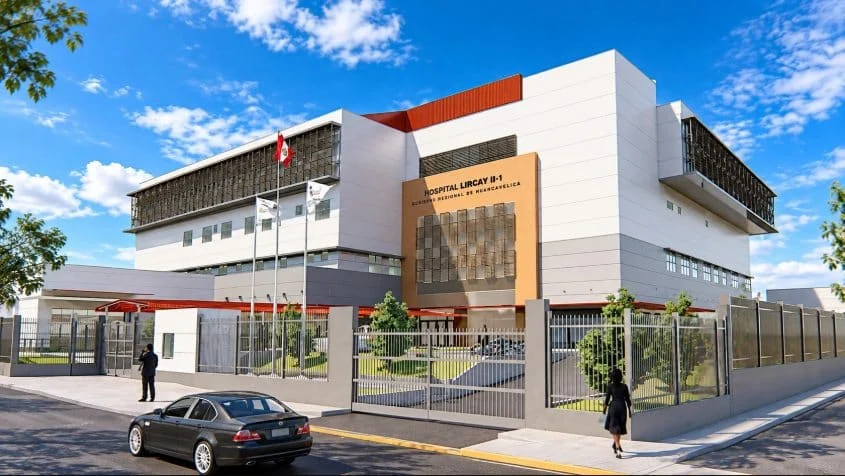
The promise of modern healthcare for the residents of Lircay, a vital province in the Huancavelica region, has hit a formidable roadblock. The construction of the Lircay Hospital II-1, a project envisioned as a cornerstone for regional public health, has been officially suspended. This suspension follows a mandatory directive from the Dispute Prevention and Resolution Board (JPRD), operating under the auspices of the Pontifical Catholic University of Peru (PUCP). The order mandates that both the Regional Government of Huancavelica and the contracted entity, Consorcio TOM, must cease all operations until the outstanding contractual disputes—specifically those detailed in Decision No. 02—are resolved.
Valued at an impressive S/ 224.9 million, the project was intended to bridge the significant healthcare gap in the Andean region. However, what began as a landmark investment in February 2026 with a 900-day execution timeline is now mired in technical disagreements, accusations of fiscal abuse, and legal paralysis.
Chronology of the Dispute: From Soil Deficiencies to Legal Standoff
The seeds of the current impasse were sown shortly after the project’s initiation, as site inspections revealed critical geotechnical deficiencies in the soil designated for the hospital’s foundation. In construction projects of this magnitude, geotechnical stability is paramount; the structural integrity of the entire facility depends on the ground upon which it rests.
The Technical Divergence
In response to these findings, the Regional Government of Huancavelica moved swiftly to develop an additional "deductive" expediente (technical file) to address and rectify the original project’s engineering shortcomings. The government asserted that this plan was fully funded and necessary to ensure the long-term safety of the structure.
Conversely, the appointed contractor, Consorcio TOM, offered a different assessment. The consortium proposed a remediation plan involving significant earthworks, including cutting, filling, and soil stabilization, with a price tag exceeding S/ 4 million. This proposal was immediately met with skepticism and eventual rejection by the regional government, which characterized the consortium’s demand as “exaggerated and abusive.”

The Escalation
The situation deteriorated throughout the summer of 2026. With the regional government refusing to accept the consortium’s budget for the additional works, the contractor stalled operations. Citing a lack of progress and an alleged failure to meet contractual and legal obligations, the regional government opted to resolve (terminate) the contract.
In a move to contest this termination, Consorcio TOM elevated the matter to the JPRD. The board, serving as a mediator, conducted intensive site visits throughout September 2026, engaging with both the regional government and the supervision firm to analyze the technical viability of the competing plans. The resulting directive has now placed the entire project under a "standstill" order.
Supporting Data: Project Specifications and Economic Stakes
The Lircay Hospital II-1 is not merely a construction project; it is a vital public investment. To understand the magnitude of the current delay, one must look at the scope of the original contract signed in February 2026:
- Total Project Valuation: S/ 224,940,297.38.
- Contractual Duration: 900 calendar days (approximately 2.5 years).
- Scope: Includes the construction of the primary medical facility and the implementation of a comprehensive Plan of Contingency to ensure health services remain operational during the build.
- Current Status: Indefinite suspension pending the JPRD resolution.
The financial weight of this project makes the current stalemate particularly costly. Every day of delay risks inflationary pressure on material costs, labor fluctuations, and, most importantly, the continued postponement of essential healthcare services for the people of Huancavelica.
Official Responses: The Stance of the Regional Government
Despite the current legal blockage, the Regional Government of Huancavelica has maintained a firm stance. The General Manager of the region has publicly reaffirmed the administration’s commitment to the hospital, emphasizing that the project will not be abandoned.

"The institutional position is clear: we intend to continue with the execution of the work using the deductive technical file developed by the regional government, rather than the costly proposal presented by Consorcio TOM," the official stated.
The regional government has signaled that it has already activated the necessary legal mechanisms to initiate the process of bringing in a new contractor. Their strategy relies on the belief that the original technical flaws can be corrected through their own proposed modifications, which they argue represent a more responsible and cost-effective use of public funds compared to the consortium’s demands.
Implications: The High Cost of Bureaucratic Conflict
The suspension of the Lircay Hospital project serves as a microcosm of the systemic challenges facing large-scale public infrastructure in Peru. The conflict highlights three major issues:
1. The Challenge of Geotechnical Risk
The initial discovery of soil deficiencies suggests that preliminary site studies—often the first step in any major infrastructure project—may have been insufficient. When geotechnical surprises occur, they inevitably lead to "deductives" and "aditionals," which are frequent triggers for contractual disputes between the state and private firms.
2. The Role of Mediation (JPRD)
The intervention of the JPRD demonstrates the evolution of dispute resolution in Peruvian public works. By creating a specialized board to handle disagreements, the system aims to prevent projects from descending into years of litigation in civil courts. However, as seen in Lircay, these boards can also impose mandatory stops, which—while intended to prevent further waste—can lead to total project paralysis.

3. The Impact on the Populace
The most significant casualty in this dispute is the population of Lircay. Healthcare infrastructure is a time-sensitive requirement. Every month the hospital remains a construction site in limbo is a month of missed screenings, surgeries, and specialized care for the surrounding communities.
Future Outlook: A Path Toward Resumption
The path forward for the Lircay Hospital is currently narrow. The Regional Government of Huancavelica is essentially waiting for the JPRD to finalize its ruling on the validity of the contract resolution. If the board upholds the government’s decision to terminate the contract, the government will be free to launch a new bidding process. However, if the board determines that the termination was premature or unjustified, the regional government may face legal hurdles or, at the very least, a significant delay in re-initiating the work.
For now, the site remains quiet. The cranes and equipment, which were intended to transform the landscape of Huancavelica into a hub of medical excellence, stand as silent witnesses to a complex dispute between private interests and public administration. As the regional authorities look to bring in a new constructor, they must also ensure that the lessons learned from this failure—better initial site analysis and more transparent contract management—are applied to avoid a repeat of this scenario.
The people of Huancavelica remain in a state of expectation. The S/ 224.9 million budget remains allocated, and the political will to finish the project appears to be intact. Yet, until the legal mechanisms of the JPRD clear the path, the Lircay Hospital will remain a symbol of the precarious balance between ambitious regional development and the volatile nature of public-private contractual agreements.
The resolution of this case will undoubtedly serve as a precedent for future infrastructure projects in the region, testing the efficacy of dispute resolution boards and the agility of regional governments in navigating the complexities of modern engineering and legal accountability.