Executive Summary
In a development that has reignited public debate regarding nepotism and the optics of political influence in Peru, María del Carmen Barragán Coloma, sister of Senator Daniel Barragán, has resigned from her position as Advisor III to the Executive Presidency of the Social Health Insurance System (EsSalud). Her departure comes only days after her appointment, following intense media scrutiny and allegations of potential conflicts of interest. The case has placed the spotlight firmly on the legislative branch and the criteria governing public sector appointments in high-stakes government entities.
Chronology of a Controversial Appointment
The timeline of events surrounding the Barragán case illustrates a rapid transition from a high-profile administrative appointment to a pressured resignation:
- October 17, 2026: EsSalud formally appoints María del Carmen Barragán Coloma as Advisor III to the Executive Presidency, a role of significant influence within the organization. The appointment is codified under Resolution of Executive Presidency No. 001388-PE-ESSALUD-2026.
- Late October 2026: The appointment draws immediate fire from political analysts and media outlets. The timing is noted to coincide with Senator Daniel Barragán’s pivotal role in the Senate’s Constitution Commission, where he was actively involved in debates concerning sensitive legislative powers.
- November 2026: Facing mounting pressure, María del Carmen Barragán tenders her resignation.
- November 2026 (Official Announcement): EsSalud officially concludes the designation. While the institution remains tight-lipped regarding the specific catalyst for the termination, the departure is confirmed shortly after the Senator speaks to the press.
The Senator’s Defense: Navigating "Political Noise"
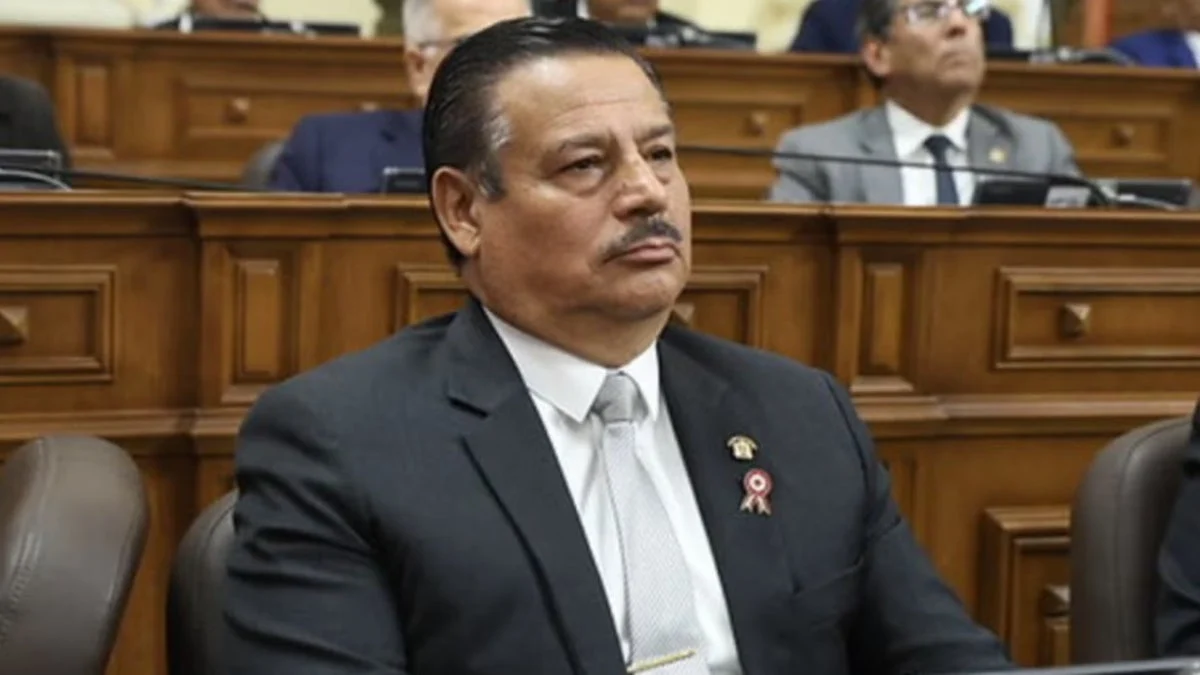
Senator Daniel Barragán, a member of the Obras party, addressed the media on Friday to distance himself from his sister’s employment. He maintained that he had no involvement in her hiring process, asserting that his sister’s decision to resign was motivated by her desire to protect his political reputation.
"She was uncomfortable because she regretted that her appointment was creating political noise for me, especially since we had not even discussed the matter," the Senator stated during his press briefing.
Barragán emphasized his long-standing stance against using his position for personal gain, stating, "I am not accustomed to asking for favors for my family; I have never done it. She is not new to the public administration." However, critics point out that the mere optics of such an appointment—occurring precisely when the Senator held significant sway over governmental oversight and legislative agendas—undermine public trust in the independence of administrative appointments.
Official Protocols and Institutional Requirements
The resolution finalizing the departure of María del Carmen Barragán, signed by the President of EsSalud, Elizabeth Zulema Tomas Gonzales, imposes strict post-employment obligations. These requirements underscore the sensitivity of the information to which high-level advisors are privy.
Confidentiality and Compliance
According to the official decree, the former advisor is under a mandate of absolute confidentiality regarding the matters, processes, and sensitive information she accessed during her brief tenure. Any breach of this confidentiality carries the risk of formal inhabilitation, effectively banning her from providing future services to the State.
Financial and Ethical Transparency
Furthermore, in accordance with anti-corruption protocols, Barragán Coloma is required to submit a comprehensive sworn declaration of her assets, income, and interests to the Office of the Comptroller General of the Republic. She has been granted a maximum of 15 business days to comply with this administrative filing, a standard procedure intended to prevent illicit enrichment and identify conflicts of interest retrospectively.
The Broader Implications: Nepotism and Public Trust
The incident involving the Barragán family is a symptom of a larger, systemic issue within the Peruvian political landscape: the "revolving door" and the perception of patronage in public institutions.
The Optics of Influence
When a family member of a legislator takes a high-ranking position in an entity as critical as EsSalud—which oversees the healthcare of millions of citizens—the potential for perceived (or real) conflict of interest is exponential. Even if, as Senator Barragán claims, there was no direct request for a favor, the administrative culture often operates on a system of implicit favors or "deference" toward high-ranking politicians.
The Role of the Comptroller General
The requirement for the ex-advisor to file a declaration of interests highlights the role of the Comptroller General in maintaining integrity. However, many political analysts argue that such declarations are reactive measures. The challenge remains in proactive filtering—ensuring that hiring processes at the advisor level are based purely on meritocratic criteria rather than political alignment or familial proximity to power brokers.
Legislative Integrity and the Constitution Commission
Senator Barragán’s participation in the Senate’s Constitution Commission adds a layer of complexity to this narrative. The Commission is responsible for shaping the legal framework of the country. When a member of this body is embroiled in a controversy regarding the hiring of a relative, it raises questions about whether the legislator is truly focused on the public interest or if their legislative output could be influenced by their desire to maintain access to government departments for allies and family.
Comparative Analysis: The Cost of "Political Noise"
The term "political noise," used by the Senator, is often dismissed by the public as a euphemism for accountability. In a healthy democracy, the media’s role in identifying the appointment of family members of politicians to state roles is a vital check on power. The fact that the resignation followed this "noise" suggests that the system of public scrutiny is functioning, even if the underlying appointment process remains flawed.
In many jurisdictions, there are "cooling-off" periods for politicians’ families, or outright bans on such appointments. In Peru, while legal frameworks exist, the enforcement is often hampered by the complex interplay of party politics. The resignation of María del Carmen Barragán serves as a case study in how public pressure can act as an informal, yet powerful, mechanism for political correction.
Conclusion: The Path Forward for EsSalud and the Senate
The brief tenure of María del Carmen Barragán at EsSalud concludes, but the questions it raised remain pertinent. For institutions like EsSalud, the priority must remain the efficient delivery of healthcare services to the population, free from the entanglements of political favoritism.
For the Senate, the case serves as a warning that every move made by its members is subject to rigorous public examination. As the nation continues to navigate the complexities of governance, the standard for public service must rise above the appearance of impropriety. Whether this event leads to stricter hiring protocols or remains an isolated incident of "political noise" depends on whether legislative bodies and public institutions commit to a more transparent, merit-based selection process in the future.
The Comptroller General’s review of the filings in the coming weeks will be the final chapter of this specific controversy. Until then, the case stands as a reminder that in the public eye, the appearance of fairness is as vital to governance as the reality of it.
Key Data Points for Follow-up:
- Resolution No. 001388-PE-ESSALUD-2026: The primary document governing the termination.
- 15-Day Deadline: The window for the submission of the Declarations of Interest to the Comptroller General.
- Obras Party Stance: The official party line on internal ethics and hiring practices remains to be clarified beyond the Senator’s individual statements.
This article is intended for informational purposes and reflects the current state of public record regarding the mentioned individuals and institutions.