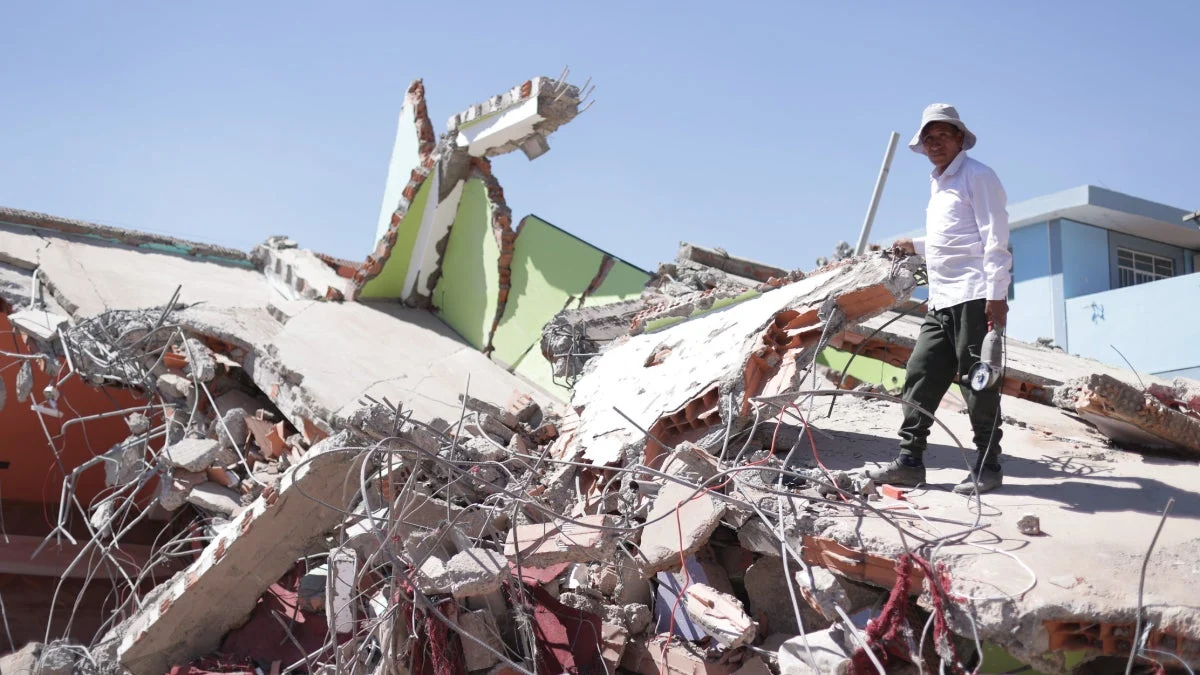
LA LIBERTAD, PERU – As the shadow of the El Niño phenomenon looms over the northern coast of Peru, the La Libertad Chamber of Commerce has issued a formal call to action, urging the private sector to bridge the gap in disaster risk management. With meteorological forecasts pointing toward significant rainfall, the region is bracing for the potential recurrence of historic flood events that have historically devastated both urban infrastructure and agricultural productivity.
The core of the strategy revolves around the "Obras por Impuestos" (Works for Taxes) mechanism—a public-private partnership model that allows companies to finance and execute public infrastructure projects in exchange for tax credits. The objective is clear: to accelerate the implementation of critical mitigation works that the state, despite its efforts, currently struggles to complete in isolation.
The Critical Front: The Moche River Watershed
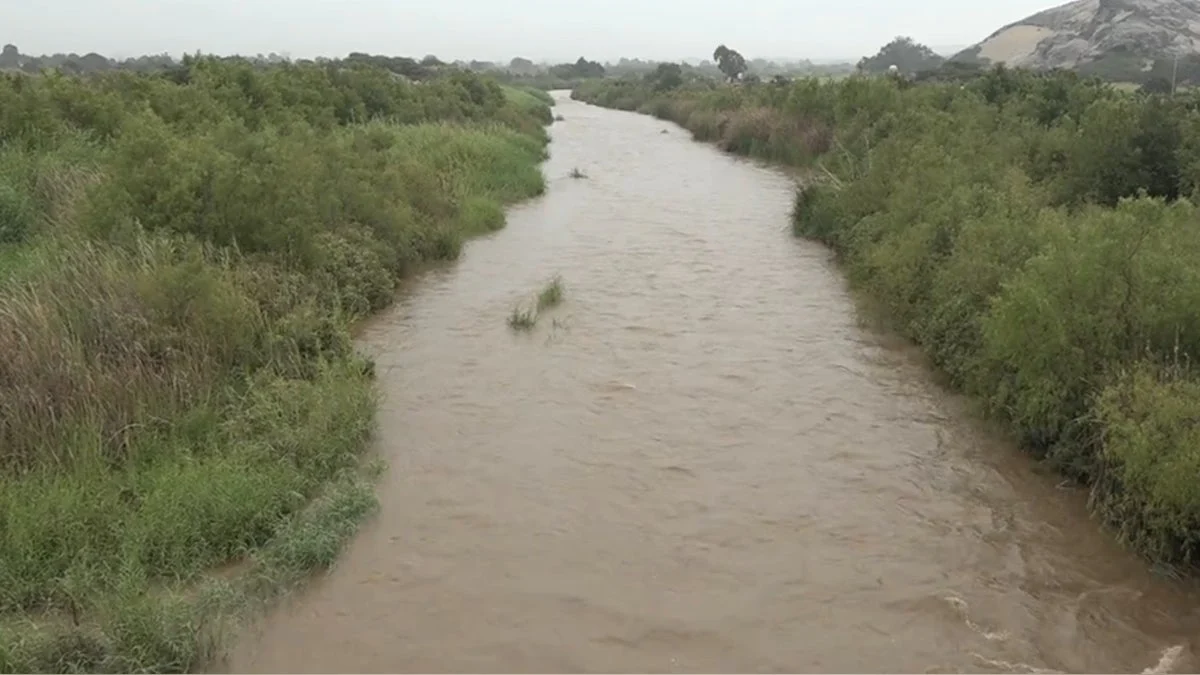
At the heart of the Chamber of Commerce’s alarm is the Moche River. Specifically, industry experts have identified the final 500 meters of the river’s channel as a zone of extreme vulnerability.
Why the Moche River is a Point of Failure
This stretch is not merely a geographic point; it is a critical operational nexus. The sedimentation levels and the narrowing of the riverbed at this specific juncture present a high risk of overflow. Should heavy, sustained rains occur, the resulting surge could cause catastrophic flooding in adjacent urban centers and key agricultural zones.
The Chamber of Commerce emphasizes that the state’s current logistical capacity is insufficient to address the scale of the threat. They are calling for the immediate deployment of specialized heavy machinery and technical expertise to reinforce embankments and perform urgent dredging. Without this intervention, the economic loss—measured in destroyed crops, damaged housing, and paralyzed supply chains—could be exponential.
Chronology of Preventive Measures
The initiative to involve the private sector follows a series of governmental actions taken throughout the year to mitigate flood damage. The trajectory of these efforts highlights a race against time:
- Early 2023: Regional authorities and the National Water Authority (ANA) conducted initial assessments, identifying the primary flood-prone areas in the Moche and Chicama river basins.
- Mid-2023: Initial clearing and desilting operations commenced. While these efforts were foundational, they were identified as insufficient given the strengthening of climate signals indicating a strong El Niño event.
- October 2023: The Government of La Libertad announced 16 new, high-priority interventions along the Chicama River in the Ascope province, responding to localized pressures and the need to protect the region’s agricultural output.
- November 2023: The La Libertad Chamber of Commerce issued its formal appeal to the private sector, seeking to move beyond traditional government procurement and leverage the agility of private enterprises to secure the Moche River’s final stretch.
Supporting Data: The Magnitude of the Challenge
The threat posed by El Niño is not merely anecdotal; it is backed by years of hydrological and meteorological data. La Libertad is one of the regions most exposed to the "coastal El Niño," a climatic event that warms Pacific waters and shifts rainfall patterns, causing flash floods in arid zones.
Current Mitigation Landscape
To date, 52 major interventions involving cleaning and descolmatación (sediment removal) have been completed. These efforts have been a collaborative output of the:
- Autoridad Nacional del Agua (ANA): Providing technical oversight and hydraulic modeling.
- Ministry of Housing, Construction, and Sanitation: Coordinating heavy equipment deployment.
- Local Municipalities: Managing land-use and logistical access for machinery.
However, the consensus among civil engineers and regional planners is that the current 52 projects are "first-layer" defenses. The final 500 meters of the Moche River represents a "second-layer" critical vulnerability that requires the specialized technical oversight that private sector partners are now being invited to provide.
Official Responses and Strategic Coordination
The regional government has signaled its willingness to facilitate the private sector’s involvement. By streamlining the bureaucratic processes inherent in "Obras por Impuestos," the Governor of La Libertad aims to ensure that the bureaucratic burden does not impede construction progress.
The Role of Public-Private Partnerships
In a statement to the press, representatives from the Chamber of Commerce noted: "The state has the mandate, but the private sector has the operational agility. By pooling our resources, we are not just protecting our businesses; we are protecting the livelihoods of thousands of citizens who reside in the floodplains of the Moche."
The government’s strategy for the Chicama River serves as a pilot for this new, integrated approach. By focusing on the Chicama as a priority, the government has been able to test the efficiency of its coordination with the ANA and local contractors, providing a blueprint for the proposed Moche River projects.
Socio-Economic Implications: Beyond Infrastructure
The implications of failing to act in these final months before the peak of the rains are profound. La Libertad is a powerhouse of Peruvian agro-export, and any disruption to the Moche or Chicama basins threatens the national economy.
1. Agricultural Security
The fertile valleys surrounding these rivers are essential for the production of sugar cane, asparagus, and other high-value crops. A breach in the riverbanks would not only destroy the immediate harvest but could leave the soil saturated and unusable for subsequent planting cycles, leading to long-term economic contraction for the region.
2. Urban Resilience
Urban centers that have expanded toward the riverbanks in recent decades are at high risk. The potential for the destruction of basic infrastructure—power grids, water supply lines, and road networks—would necessitate massive emergency expenditures, further straining the regional budget.
3. The "Obras por Impuestos" Model as a Catalyst
If successful, this mobilization of the private sector could serve as a national model for disaster risk management. By turning tax liabilities into preventative assets, the region is effectively decentralizing the burden of infrastructure maintenance. It shifts the perception of the private sector from mere "beneficiary of infrastructure" to "co-guardian of public safety."
Conclusion: A Race Against the Horizon
As the skies over La Libertad remain monitored for signs of increased atmospheric instability, the call from the Chamber of Commerce serves as a stark reminder that time is the most expensive commodity in disaster prevention. The technical requirement for the final 500 meters of the Moche River is documented, the methodology for funding is established, and the need for action is urgent.
The challenge now lies in the speed of implementation. The coming months will determine whether the region can successfully leverage the combined might of its government and business leaders to withstand the incoming climatic surge, or whether it will once again be left to pick up the pieces of an avoidable disaster.
The integration of private resources into the regional defense plan is no longer a luxury; it is a prerequisite for the continuity of La Libertad’s economic and social stability. As the state and private entities align their interests, the residents of the Moche valley look on with anticipation, hoping that these preemptive measures will be sufficient to secure their homes and livelihoods against the volatility of the natural world.