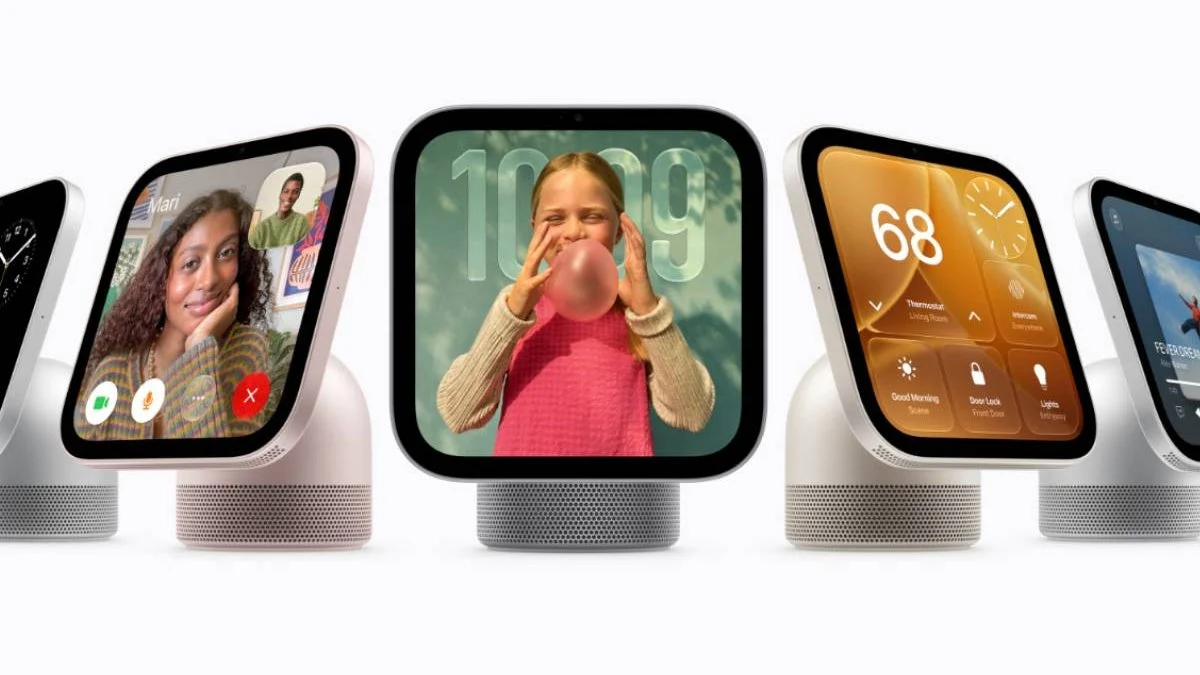
In a move that signals a significant shift in its smart home strategy, Apple officially unveiled HomeView this Tuesday, October 13. As the company’s first dedicated smart display, HomeView is designed not merely as an appliance, but as the central nervous system of the modern living space. By blending high-end industrial design with the sophisticated processing power of the A18 chip and the generative capabilities of Apple Intelligence, the tech giant aims to redefine how users interact with their environments.
Main Facts: The Anatomy of the HomeView
The HomeView is a masterclass in hardware integration, featuring a 7-inch Liquid Retina display that utilizes an IPS panel with advanced adaptive brightness technology. This display is engineered to be as comfortable in a brightly lit kitchen as it is on a dim bedside table, shifting seamlessly from a vibrant 500 nits down to an ultra-low 0.3 nits.
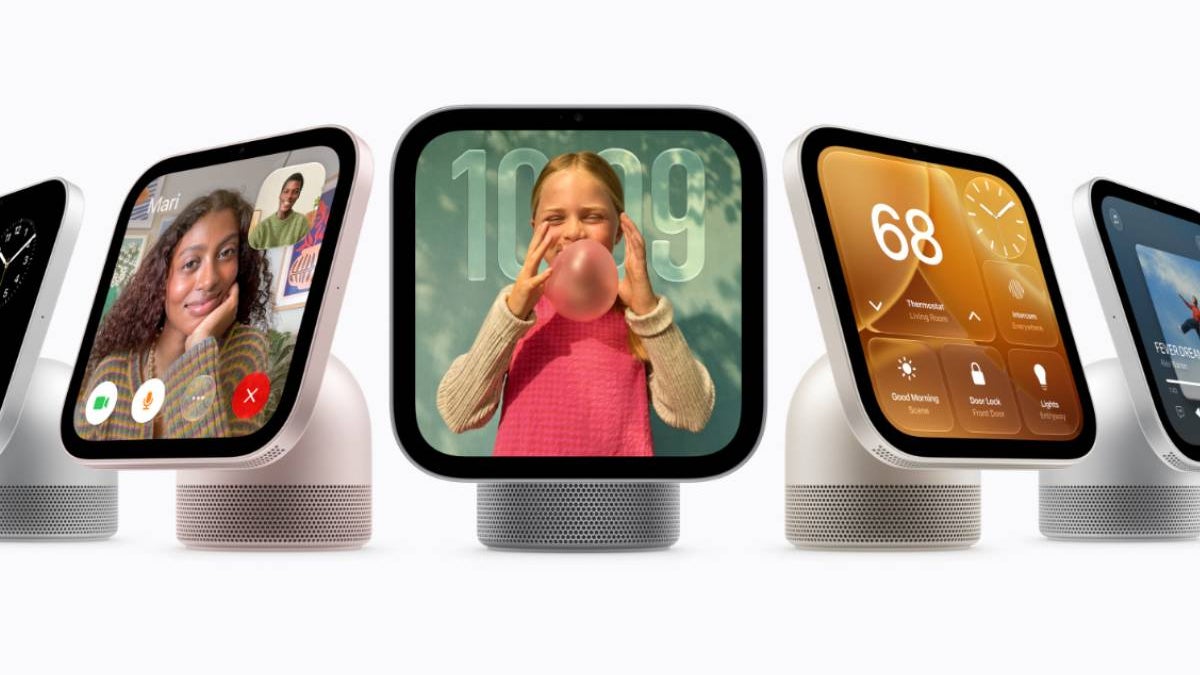
The physical architecture of the device is quintessentially Apple. It rests on an elegant, dome-shaped aluminum base, connected to the display via a high-precision stainless steel hinge. This mechanical articulation allows users to adjust the viewing angle to their preference, ensuring the device remains ergonomic regardless of placement. To cater to diverse interior design aesthetics, Apple is offering the unit in four finishes: Silver, Starlight, Rose, and Space Gray.
Under the hood, the device is powered by the A18 chip. This is not just a standard processor; it is the engine that drives the local execution of Apple Intelligence. By processing data on-device, Apple ensures that Siri’s new generative capabilities remain private and lightning-fast, avoiding the latency associated with cloud-based AI requests. Furthermore, the inclusion of a 12-megapixel camera with "Center Stage" technology ensures that users remain perfectly framed during FaceTime calls, even as they move freely across a room.
A Chronology of Innovation: The Path to HomeView
The release of HomeView is the culmination of years of internal development aimed at bridging the gap between mobile computing and home automation.
- Early 2023: Industry rumors began to circulate regarding a "tabletop device" aimed at challenging the dominance of Amazon’s Echo Show and Google’s Nest Hub.
- Late 2024: Reports surfaced detailing the integration of the A-series chips into home appliances, suggesting that Apple was prioritizing on-device AI to differentiate its home products from competitors that rely heavily on cloud processing.
- September 2026: Apple began laying the groundwork for the HomeView ecosystem by rolling out enhanced "Tap to Pay" features and broader smart-home interoperability across the iPhone lineup.
- October 13, 2026: The official unveiling. Apple confirmed that pre-orders for the device would commence immediately, with the first units slated for delivery on November 13.
The Power of Personalization: Multi-User Intelligence
One of the most disruptive features of the HomeView is its advanced biometric and voice recognition capabilities. The device is designed to recognize up to six distinct members of a household. This is not a superficial profile system; it is a deep, personalized integration.
When a user approaches the device, the HomeView tailors its interface, widgets, and suggested content to that specific person. If a parent checks the device in the morning, they might see their calendar, traffic updates, and smart-home security alerts. If a child approaches later, the display pivots to educational apps or shared family media. This personalization extends to FaceTime calls and music libraries, ensuring that the device feels like a private assistant rather than a communal kiosk.
Strategic Implications: Why HomeView Matters
The launch of HomeView marks a critical evolution in Apple’s business model. For years, the company has emphasized the iPhone as the center of the user’s digital life. With HomeView, Apple is effectively decentralizing that hub, moving the "brain" of the home into a stationary device.

The Role of Siri AI
The integration of Siri AI is the most critical differentiator. Unlike previous smart displays that often struggled with complex requests, the HomeView utilizes Apple Intelligence to understand context. Whether it is managing complex smart-home routines, summarizing email notifications, or acting as an intelligent intercom that can filter background noise, the device is positioned to be a "proactive" helper rather than a reactive one.
Home Security and Integration
The HomeView serves as a bridge for the Apple Home Collection. It offers real-time monitoring of security cameras, doorbell feeds, and sensor data. By allowing users to access private data directly from their iPhones or through authorized voice commands, Apple is betting on privacy as a key selling point in a market that has historically been criticized for security vulnerabilities.
Two Flavors for Every Home
Apple recognized that not every living space is the same, which is why the company is launching two distinct form factors:
- The Desktop Model: Designed for flexibility, this version features the iconic suspended screen on a motorized-style hinge, making it perfect for desks, countertops, or nightstands.
- The Wall-Mounted Model: A slim, low-profile version designed to be flush-mounted on walls. This version includes custom mounting hardware, catering to users who want a permanent, high-tech command center in high-traffic areas like hallways or kitchens.
Market Reception and Availability
Starting at $299, the HomeView occupies the "premium" segment of the smart display market. While this price point is higher than many competitors, Apple is banking on the value proposition of the A18 chip, long-term software support, and the deep integration with the existing Apple ecosystem.

The initial rollout strategy is deliberate and tiered. Starting October 13, customers in the following regions can place their orders:
- North America: United States, Canada
- Europe: United Kingdom
- Asia-Pacific: Australia, Singapore, India, New Zealand
- Africa: South Africa
Looking Toward the Future
The launch of HomeView is likely just the beginning of a broader "Home OS" strategy. By putting a dedicated, high-performance display in the home, Apple is creating a sandbox for developers to build experiences that were previously impossible on a handheld screen.
As we look toward the November 13 release date, the industry will be watching closely to see if the general public is ready to embrace a centralized AI hub. If successful, the HomeView could turn the "smart home" from a collection of disjointed gadgets into a cohesive, intelligent environment that anticipates user needs before they are even spoken.
Apple has positioned the HomeView not just as a piece of hardware, but as an essential upgrade to the infrastructure of modern life. With its combination of privacy-first AI, sleek design, and multi-user personalization, it is poised to set a new standard for what we expect from the walls of our homes. The era of the "dumb" home screen is over; the age of the intelligent, personalized home assistant has officially arrived.