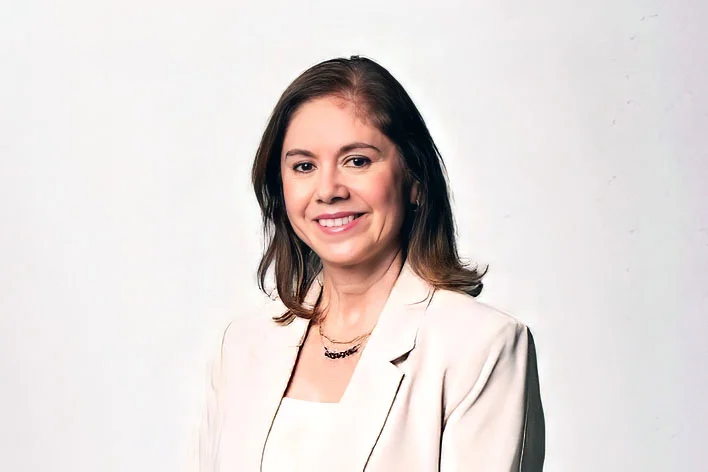
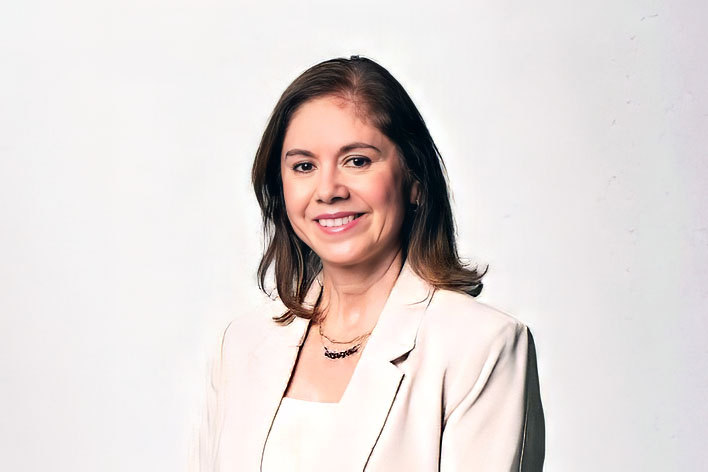
Lima, Peru – The Peruvian mining industry stands at a pivotal moment, grappling with a challenge that extends far beyond simply increasing the number of women within its workforce. The critical imperative, as articulated by Magaly Bardales, Director of the Peruvian Institute of Mining Engineers (IIMP), is to cultivate an environment where women can not only join but also thrive, build sustained careers, and ascend to positions of leadership. This nuanced perspective was shared during a recent in-depth interview with Rumbo Minero, shedding light on the multifaceted hurdles and promising pathways ahead.
Bardales candidly acknowledged the persistent gender gaps within the sector, stating, "While there are still gaps, I believe we have challenges that are primarily associated with the issue of attraction." However, she swiftly elaborated that the strategic approach must encompass a tripartite strategy: "Firstly, in attracting. Secondly, in retaining. And thirdly, in growing." This holistic framework underscores a commitment to not just entry-level recruitment but also long-term professional development and advancement for women in mining.
The statistics, though showing a positive trend, also highlight the considerable distance Peru’s mining sector has to cover. In 2024, female participation in Peruvian mining employment reached 10.1%, marking the first time it has surpassed the double-digit threshold. While a significant milestone, this figure pales in comparison to leading mining nations like Chile, Australia, and Canada, which report female representation closer to 20%, as pointed out by Bardales. This comparative data serves as a stark reminder of the ongoing need for accelerated progress and the adoption of best practices from more diverse mining economies.
The Pillars of Progress: Attraction, Retention, and Growth
The challenge of reducing this disparity, according to Bardales, demands a concerted and collaborative effort involving the state, private enterprises, academic institutions, and industry associations. Within the corporate realm, specific actions are crucial. Bardales emphasized the necessity of re-evaluating existing shift systems, often designed with traditional workforce demographics in mind, to accommodate the needs of a more diverse workforce. Furthermore, adapting operational infrastructure to be more inclusive and, critically, ensuring environments that are unequivocally safe and free from harassment and discrimination are paramount.
Addressing the "Attraction" Deficit
The initial phase of bringing women into the mining sector requires a fundamental shift in how the industry is perceived and marketed. Historically, mining has been an industry predominantly associated with male labor, often characterized by physically demanding roles and remote work locations. To attract a broader talent pool, including women, mining companies need to:
- Revamp Recruitment Strategies: Moving beyond traditional job boards and recruitment channels to actively engage with educational institutions, professional organizations with a strong female membership, and community groups. Targeted outreach programs and career fairs specifically designed to highlight the diverse opportunities in modern mining can be highly effective.
- Showcase Diverse Roles: Emphasizing that mining is not solely about physical labor but encompasses a vast array of technical, scientific, managerial, and administrative roles. This includes positions in data analytics, environmental management, community relations, human resources, finance, and cutting-edge technology development.
- Promote Role Models: Featuring successful women in various mining roles in marketing materials, company websites, and public relations campaigns. Seeing women in leadership positions can significantly inspire aspiring female professionals.
- Foster Inclusive Company Cultures: Communicating a clear commitment to diversity and inclusion from the top down. This involves transparent policies on equal opportunity, non-discrimination, and anti-harassment, coupled with visible support from senior leadership.
The Crucial Element of "Retention"
Attracting women is only the first step; ensuring they remain in the industry is where many organizations falter. Bardales’ emphasis on retention highlights the need for a supportive ecosystem that addresses the unique challenges and aspirations of women in the workforce.
- Flexible Work Arrangements: While challenging in a 24/7 industry, exploring options like flexible scheduling, compressed workweeks, or remote work for certain roles can significantly improve work-life balance, a factor often cited as critical for retaining talent, particularly women who may have caregiving responsibilities.
- Mentorship and Sponsorship Programs: Establishing formal mentorship programs where experienced professionals guide and support junior employees can be invaluable. Sponsorship, which involves senior leaders actively advocating for and promoting the careers of their mentees, is even more critical for career advancement.
- Support Systems for Caregiving: Recognizing and supporting employees with caregiving responsibilities, whether through childcare facilities, subsidies, or generous parental leave policies, can make a substantial difference in retention rates.
- Safe and Respectful Workplaces: This cannot be overstated. Zero tolerance for any form of harassment, discrimination, or bullying is non-negotiable. Robust reporting mechanisms, fair and prompt investigations, and visible consequences for perpetrators are essential for building trust and ensuring a sense of security.
- Continuous Skill Development: Providing ongoing training and development opportunities ensures that employees remain engaged and feel their careers are progressing. This also helps to close any skills gaps and prepares them for future roles.
Empowering "Growth" and Leadership
The ultimate goal is not just to have women in mining but for them to ascend to leadership positions, influencing strategic decisions and shaping the future of the industry. Bardales’ focus on "growth" underscores the importance of creating clear pathways for advancement.
- Defined Career Ladders: Companies need to establish transparent and equitable career progression frameworks. This means clearly outlining the skills, experience, and performance required for promotion at each level.
- Leadership Development Programs: Implementing specialized programs designed to cultivate leadership skills among women. These programs should focus on areas such as strategic thinking, decision-making, conflict resolution, and team building.
- Succession Planning: Actively identifying and grooming high-potential female employees for future leadership roles. This proactive approach ensures a pipeline of qualified candidates for senior positions.
- Empowerment and Autonomy: Providing women with opportunities to take on challenging projects, lead teams, and make significant decisions. Granting autonomy fosters confidence and demonstrates trust in their capabilities.
- Challenging Unconscious Bias: Implementing training and awareness programs to address unconscious biases that may hinder the advancement of women. This includes reviewing promotion and performance evaluation processes for potential biases.
The Role of the Peruvian Institute of Mining Engineers (IIMP)
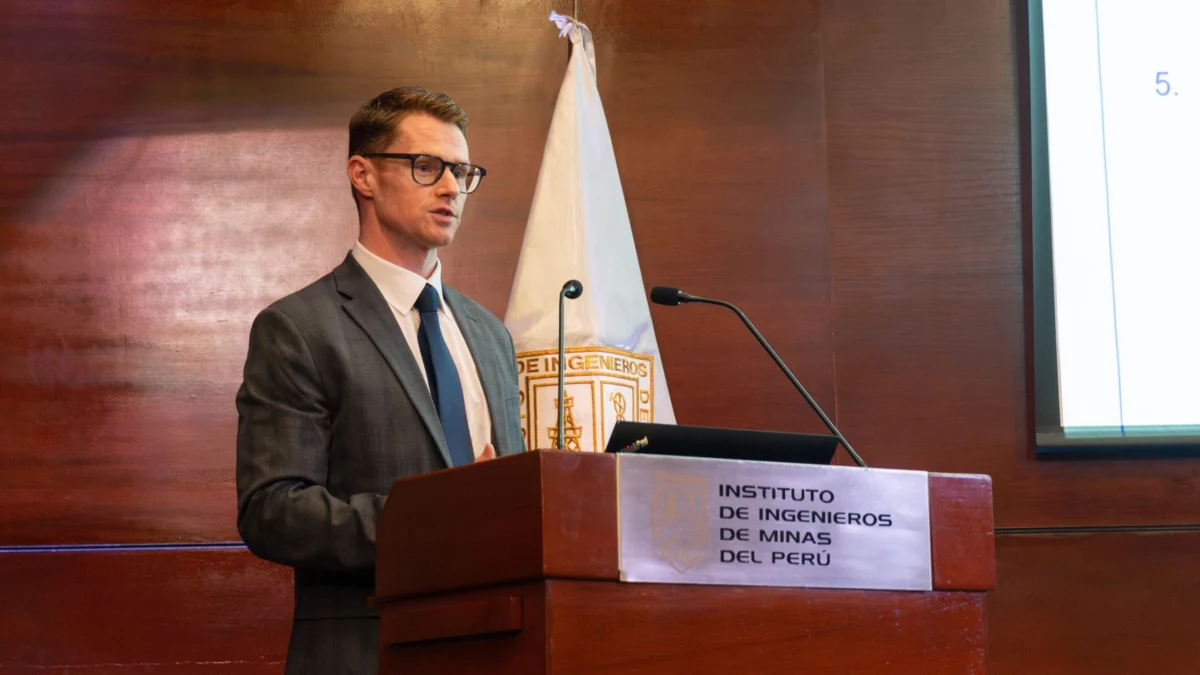
Magaly Bardales, in her capacity as Director of the IIMP, highlighted the institute’s proactive role in fostering professional development opportunities for women within the mining sector. "The Institute’s role is to promote modern, sustainable, and inclusive mining. In this line, what we seek is accompaniment throughout the professional development during the different stages of the career path of professionals associated with the Institute," she explained.
This commitment translates into tangible initiatives aimed at nurturing female talent. The IIMP is actively engaged in providing:
- Training and Knowledge Updates: Offering a range of courses, workshops, and seminars designed to enhance the technical and professional skills of its members. These programs are crucial for keeping professionals abreast of the latest advancements in the mining industry, from technological innovations to regulatory changes.
- Exchange of Experiences: Creating platforms for members to share their knowledge, insights, and best practices. This collaborative environment is particularly beneficial for women, allowing them to learn from the experiences of their peers and senior professionals, and to build valuable professional networks.
- Promoting Diverse Specializations: The IIMP actively encourages the incorporation of women from a wide spectrum of disciplines relevant to mining. This includes not only traditional fields like engineering and geology but also economics, law, community relations, and communications. This broad approach recognizes the interdisciplinary nature of modern mining operations and the diverse skill sets required for success.
Currently, the IIMP boasts a significant membership of over 1,200 female associates, a testament to its growing influence and commitment to gender inclusion. This growing network provides a powerful platform for professional growth, advocacy, and the collective advancement of women in Peruvian mining.
Looking Ahead: A Collaborative and Sustained Effort
The path towards gender parity in Peru’s mining sector is a marathon, not a sprint. It requires sustained commitment, innovative solutions, and a deep understanding of the systemic barriers that have historically limited women’s participation and advancement. The insights shared by Magaly Bardales offer a clear roadmap, emphasizing that true progress lies in creating an environment where women are not just present but are empowered to lead, innovate, and contribute their full potential to the vital mining industry of Peru.
The call for a joint response from the state, companies, academia, and guilds is a critical one. Without this unified approach, the strides made in attracting women may be undermined by a lack of supportive structures for their retention and growth. As Peru continues to be a global player in mining, embracing a truly inclusive and equitable future is not just a matter of social justice; it is an economic imperative that will undoubtedly lead to a more robust, innovative, and sustainable industry for generations to come.
For those interested in becoming part of this evolving landscape and contributing to a more inclusive mining future, the IIMP offers avenues for engagement. Aspiring members can find detailed information regarding membership requirements on their website at iimp.org.pe/asociados or reach out directly via WhatsApp at +51 982 097 019. The institute stands ready to support the professional journey of every individual committed to the advancement of Peruvian mining.