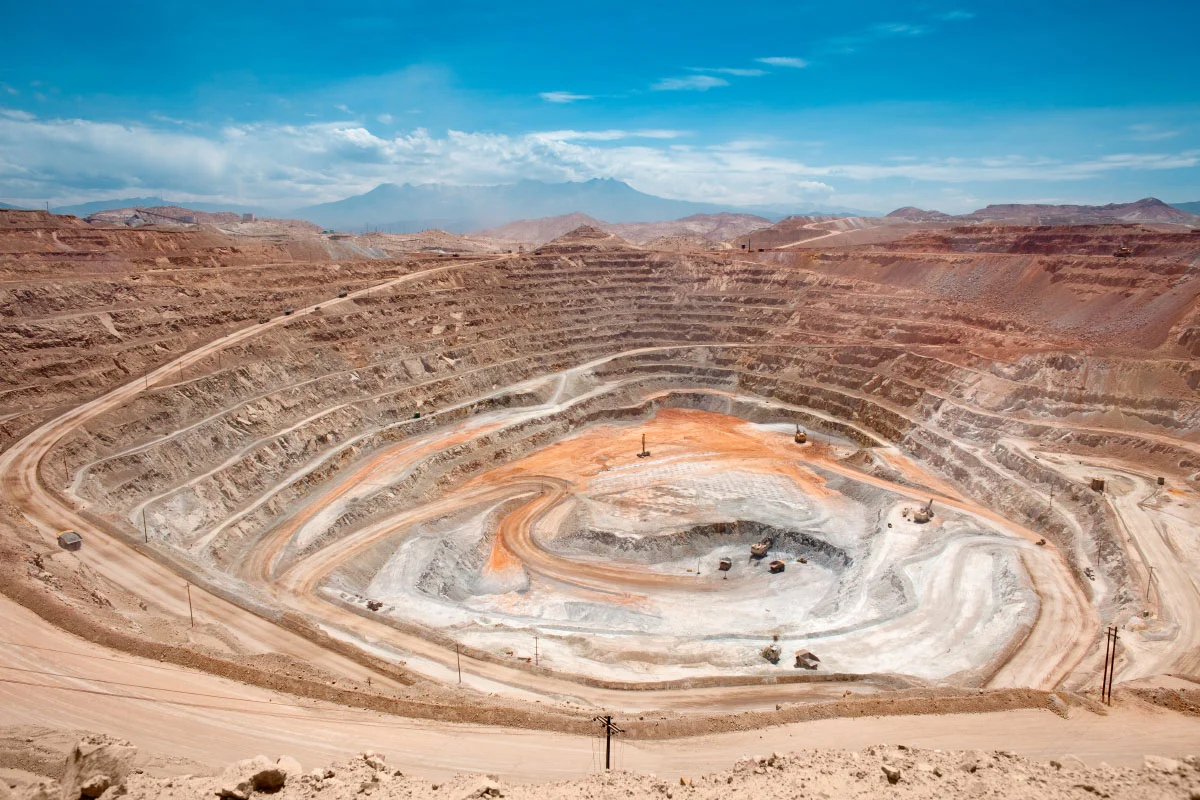
Peru, a nation historically rich in mineral wealth, faces a critical juncture in its mining sector. A recent report by the Peruvian Economic Institute (IPE) has cast a stark light on the significant delays plaguing key mining projects, with a combined value exceeding US$12 billion. This report specifically highlights Michiquillay in Cajamarca, and Los Chancas and Haquira in Apurímac, as prime examples of projects stalled by the pervasive issue of illegal mining. This situation compels a fundamental question for the formal mining industry: what are the essential conditions for a project to transition seamlessly from the planning stages to secure and sustainable operations?
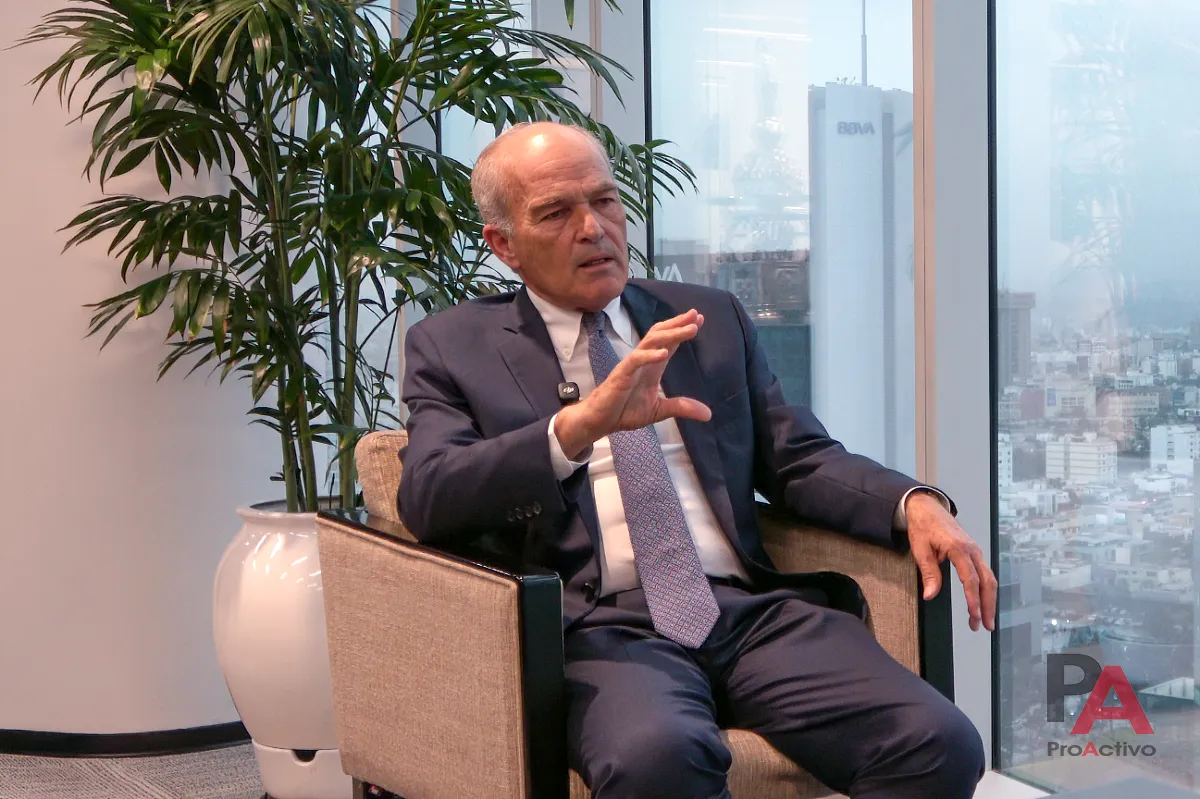
The Ministry of Energy and Mines (MINEM) has outlined a promising pipeline for 2026, with 66 projects slated across 19 departments, representing an estimated investment of US$64.075 billion. However, the shadow of illegal mining and the inherent complexities of project development threaten to undermine this potential. Marco Carhuaz Chávez and Luis Paolo Mendiola Soberón, academics from the Master’s program in Mining Management at the Graduate School of Universidad Continental, offer critical insights into the multifaceted challenges. Their analysis delves into two core areas: the imperative of controlling mineral origin and operational risks, and the intricate planning of permits and territorial access.
The Pervasive Shadow of Illegal Mining
The growth of uncontrolled mining is not an isolated phenomenon confined to the peripheries of informal operations. Its repercussions ripple throughout the entire industry, manifesting in heightened scrutiny from international markets, increasingly stringent demands from buyers, and a diminished capacity to attract responsible investment. Furthermore, it erodes the social license of formal operations. As Carhuaz points out, the public and global markets often tend to generalize, meaning the transgressions of a few cast a long shadow over those who diligently adhere to regulations. The proximity of illegal mining activities to formal projects can also foster reputational risks and erode trust, thereby impeding their progress.
One of the most significant hurdles identified by Carhuaz is the profound lack of traceability for minerals. As long as the origin of traded commodities, particularly gold, remains opaque, effectively mitigating associated risks becomes an uphill battle. To address this, Carhuaz advocates for immediate implementation of an efficient traceability system. This should be coupled with facilitating the formalization process for those willing to meet established standards, robust enforcement against those who fail to comply, and a significant reduction in the bureaucratic barriers that currently render formalization a more costly endeavor than informality. In the long term, Carhuaz emphasizes the nation’s need for a sustained state policy. This policy should establish verifiable minimum standards for safety, environmental protection, and social responsibility, applicable across the entire industry, including small-scale and artisanal mining. Crucially, this must be supported by enhanced technical capacity for oversight and enforcement.
Navigating the Labyrinth of Permits and Territorial Access
The planning phase of any mining project begins long before the submission of any permit applications. Mendiola highlights a commonly underestimated aspect of this initial stage: aligning the social realities of the land with the project’s operational timelines and objectives. This includes securing land access and obtaining authorizations for entry or development work. The crucial point is that the permitting process often does not synchronize with project timelines, nor does it account for the actual capacity to access, acquire, or develop business relationships with surface rights holders.

To circumvent these pitfalls, Mendiola proposes that project teams gain an intimate understanding of the terrain, moving beyond desk research to conduct thorough field investigations. This involves identifying existing landholders, pinpointing boundary disputes, and discerning other critical factors that can only be verified on the ground. Without this grounded perspective, projects are frequently evaluated solely on their geological or economic potential, neglecting the on-the-ground social dynamics. This can lead to the classification of projects as viable when, in reality, they are fraught with practical obstacles. Mendiola insists that the feasibility analysis of a mining project must be comprehensive and multidisciplinary, with a significant social component.
The Critical Transition: From Construction to Production
The challenges do not cease once a project enters its operational phase. Carhuaz warns that a particularly high-risk period is the transition between construction and the commencement of production. During this phase, control systems may not yet be fully consolidated, and the pressure to meet initial production targets can inadvertently lead to a relaxation of these crucial controls. Three key management decisions can significantly influence outcomes during this critical stage:
- Shared Responsibility for Operational Controls: The line of command, not just the safety department, must embrace operational controls as their own. This fosters a culture of accountability and proactive risk management.
- Proactive Identification and Control of High-Potential Hazards: Persistent identification and control of hazards with the greatest potential for harm, such as the movement of heavy equipment and work at height, are paramount.
- Diligent Contractor Performance Verification: Companies must rigorously verify the actual performance of their contractors on the ground, looking beyond the documentation they present during onboarding.
Towards a Sustainable Future: Integrated Solutions
Addressing these multifaceted risks requires a holistic approach, encompassing everything from mineral traceability to effective oversight and adherence to minimum standards. Mendiola emphasizes that this preparatory work must originate from a genuine understanding of the territory. Both academics concur that robust coordination between the state, private companies, and local communities is indispensable for the successful advancement and sustained operation of mining projects.
The Peruvian government, through MINEM, has a significant role to play in fostering an environment conducive to responsible mining. This includes streamlining bureaucratic processes for obtaining permits, enhancing transparency in land ownership and access rights, and investing in the capacity of regulatory bodies to conduct effective oversight. The mining companies, in turn, must prioritize social and environmental impact assessments, engage in genuine community consultation, and invest in technologies that ensure the traceability and ethical sourcing of their minerals. Communities, often the direct stakeholders of mining operations, need to be empowered with information and actively participate in decision-making processes that affect their territories.
Supporting Data and Broader Implications
The US$12 billion in stalled investments due to illegal mining is not merely a financial statistic; it represents lost opportunities for economic growth, job creation, and regional development. The IPE’s findings underscore the economic imperative of tackling illegal mining, which not only diverts potential revenue but also creates a distorted market that disadvantages formal operations. The interconnectedness of the global supply chain means that issues within Peru can have far-reaching consequences. International buyers are increasingly demanding ethically sourced and traceable minerals, and any perception of widespread illegality or lax oversight can deter investment and impact Peru’s reputation as a reliable supplier.
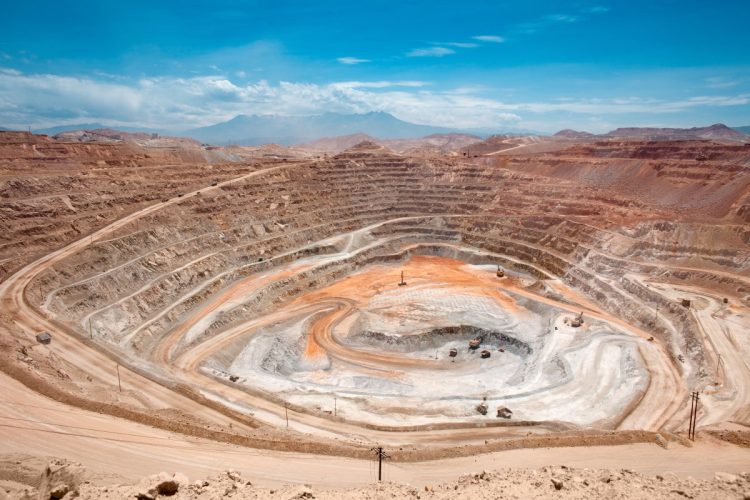
The problem of illegal mining is often intertwined with broader socio-economic challenges, including poverty, lack of alternative livelihoods, and sometimes, organized crime. Therefore, solutions must extend beyond mere enforcement and encompass strategies for economic diversification, formalization support, and community development. The Master’s in Mining Management at Universidad Continental aims to equip future leaders with the comprehensive knowledge and analytical skills necessary to navigate these complex challenges, fostering a new generation of mining professionals who prioritize sustainability, social responsibility, and ethical practices.
Official Responses and Future Outlook
While the IPE report highlights the severity of the problem, it is crucial to examine the ongoing and planned responses from governmental bodies. MINEM has, in the past, initiated programs aimed at formalizing artisanal and small-scale mining, recognizing the need to bring these operations into a regulated framework. These efforts often involve technical assistance, capacity building, and simplified procedures for registration. However, the scale of the informal sector, particularly in regions like Madre de Dios, presents a persistent challenge, requiring sustained and intensified interventions.
The government’s commitment to attracting foreign investment, as evidenced by the substantial project pipeline for 2026, suggests an understanding of the economic importance of the mining sector. However, the efficacy of these plans hinges on their ability to effectively address the issues raised by the IPE report and the insights provided by experts like Carhuaz and Mendiola. This includes not only addressing illegal mining but also streamlining the permitting process, ensuring greater transparency, and fostering a more predictable regulatory environment.
Conclusion: A Call for Integrated and Proactive Governance
The delays and challenges facing Peru’s mining sector, as illuminated by the IPE report and expert analysis, are deeply intertwined. The specter of illegal mining, coupled with the complexities of territorial access and permitting, creates a volatile environment for formal projects. To unlock the full potential of Peru’s mineral wealth and ensure sustainable development, a paradigm shift is required. This shift must prioritize integrated solutions that go beyond reactive measures.
It demands a proactive approach from the state, characterized by clear policies, efficient regulatory frameworks, and robust enforcement. It necessitates a commitment from mining companies to ethical practices, community engagement, and transparent operations. And it requires the active participation and empowerment of local communities. By fostering a collaborative ecosystem where the state, industry, and communities work in concert, Peru can navigate the current challenges and build a mining sector that is not only economically prosperous but also socially equitable and environmentally responsible, ensuring that projects can transition from planning to secure and sustainable operations, benefiting all stakeholders. The future of Peru’s mining industry, and indeed its broader economic development, depends on this integrated and forward-thinking approach.