Introduction: A Decisive Moment for Regional Governance
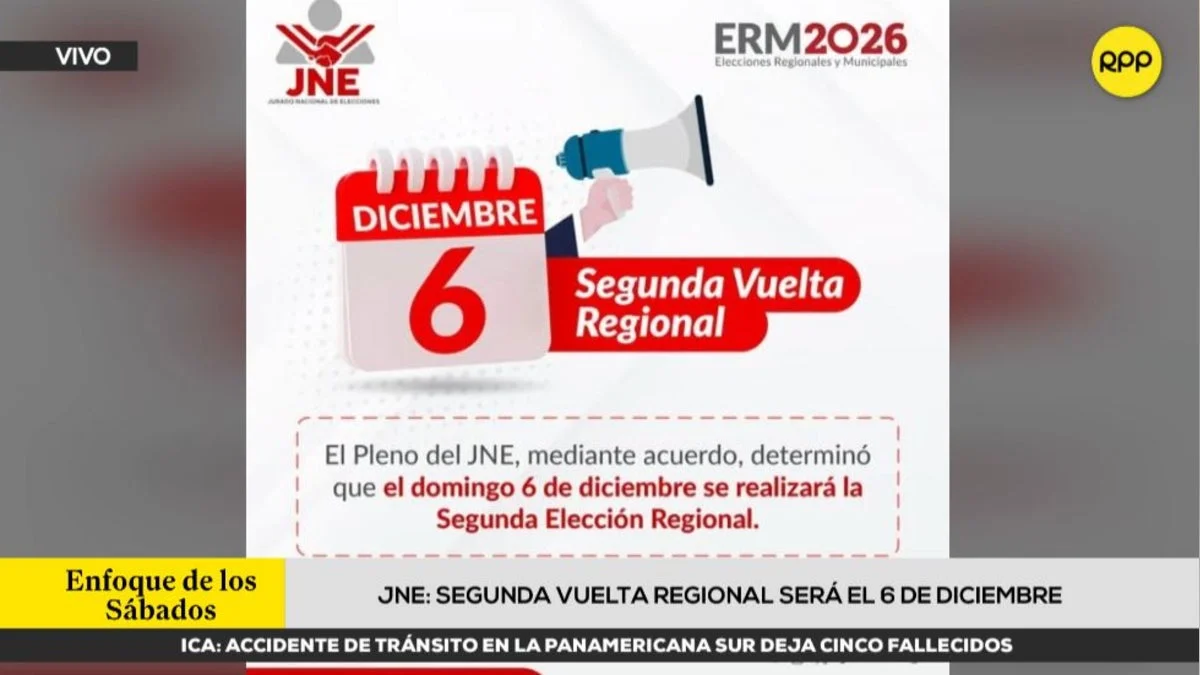
The political landscape of Peru faces a critical juncture as the Jurado Nacional de Elecciones (JNE) officially finalized the date for the 2026 Second Regional Election (SER 2026). Following an intense period of institutional deliberation and public debate regarding operational feasibility, the electoral body has confirmed that the runoff polls will take place on Sunday, December 6, 2026. This decision marks a pivotal moment for at least 11 regions across the country, where no gubernatorial candidate managed to secure the mandatory 30% threshold of valid votes required for an outright victory in the initial October 4 round.
The confirmation of the December date serves as a resolution to a brief but significant constitutional friction between the JNE and the Oficina Nacional de Procesos Electorales (ONPE), the agency tasked with the logistical execution of the vote. As the nation prepares for this secondary round, the focus remains on ensuring the stability of regional administration and the integrity of the democratic process.
Chronology of the Decision: From Disagreement to Consensus
The path to setting the December 6 date was not without its challenges. The electoral process faced a notable hurdle when the JNE initially proposed advancing the runoff to November 29. This attempt to streamline the transition of regional power was met with immediate pushback from the ONPE.
The Logistics Crisis
The head of the ONPE, Bernardo Pachas, publicly voiced his opposition to the November 29 date shortly before the first round of voting. His concerns were primarily technical: the compression of the electoral calendar posed a direct threat to the logistical chain, particularly regarding the printing of ballots and the distribution of electoral materials to remote and geographically complex regions.
Pachas emphasized that the ONPE operates on a strict timeline where every week is accounted for to manage contingencies. "We cannot run against the clock," Pachas stated during a media appearance, warning that rushing the process risked mechanical failures in printing and compromised the security of the vote. His stance was clear: the original planning necessitated a December date to allow for the processing of results from the first round and the subsequent preparation of new ballots.
The Path to Reconsideration
Following the ONPE’s formal request for reconsideration, the JNE, led by President Roberto Burneo, acknowledged the gravity of the logistical arguments. Burneo indicated that the institution would prioritize institutional consensus over unilateral scheduling. By the second week of October, the JNE officially aligned with the ONPE’s assessment, confirming the shift back to the original December 6 date. This move was framed as an effort to ensure that the electoral process is not only timely but also executed with the highest level of reliability.
Supporting Data: The Landscape of the Runoff
The necessity of a second round is dictated by the Peruvian electoral law, which stipulates that if no candidate achieves 30% of the valid votes, the two leading contenders must face each other in a runoff.
The Affected Regions
According to ongoing reports from the ONPE, the regions currently identified as requiring a second round include:
- Northern Peru: Amazonas, Cajamarca, Lambayeque, and Tumbes.
- Central Peru: Áncash, Junín, and Pasco.
- Southern Peru: Arequipa, Moquegua, Puno, and Tacna.
This list, while extensive, remains fluid. As the ONPE continues to process observed acts and finalize the official tally, the total number of regions requiring a runoff could fluctuate. The "El Poder en tus Manos" (Power in Your Hands) initiative, RPP’s electoral coverage desk, has cautioned that the final list depends on the resolution of pending disputes and the certification of final tallies. The margin of error in vote counting at the provincial and district levels often dictates whether a candidate clears the 30% bar by a hair or falls just short, making the final days of the counting process high-stakes events.
Official Responses and Institutional Dynamics
The tension between the JNE and the ONPE highlights the complex interplay between the administrative and judicial branches of the Peruvian electoral system.
The Role of the JNE
The JNE acts as the supreme authority in interpreting electoral law and setting the rules of engagement. By requesting that the President of the Republic issue the official decree for the runoff, the JNE is fulfilling its mandate to provide a constitutional framework for the transition of power. Their willingness to backtrack on the November date demonstrates a pragmatic approach to governance, valuing administrative stability over the speed of the electoral cycle.
The Role of the ONPE
The ONPE remains the "workhorse" of the democratic process. Their responsibility—covering everything from the procurement of electoral ink and paper to the transportation of ballot boxes via boat, plane, and mule to the most isolated Andean and Amazonian villages—is monumental. By standing their ground against an accelerated timeline, the ONPE demonstrated the autonomy necessary to defend the technical integrity of the vote. Their insistence on the December 6 date reflects a commitment to minimizing "black swan" events, such as transportation delays or missing materials that could lead to the annulment of results in specific areas.
Implications for the Future of Peru
The upcoming December 6 elections carry significant implications for the political future of Peru.
1. Political Polarization and Coalitions
In the 11 regions heading to a runoff, the coming weeks will be characterized by aggressive alliance-building. Candidates who finished third or lower in the first round will become kingmakers, as their endorsements could swing the result for the two frontrunners. This often leads to ideological shifts as candidates move away from their original platforms to capture the moderate or undecided voter base.
2. Governance and Administrative Continuity
The delay to December 6 shortens the transition period for new governors. Once the results are certified in mid-to-late December, the winners will have a very narrow window—barely three weeks—to prepare for their inauguration in January 2027. This compressed transition period is a known weakness in the Peruvian system, often leading to slow starts for new administrations as they navigate the complexities of regional budgeting and personnel appointments.
3. Public Trust
The transparency of the process, from the JNE’s willingness to listen to technical experts to the ONPE’s commitment to logistical excellence, is vital for maintaining public trust. In an era where democratic institutions are frequently questioned, the ability of these two agencies to resolve their differences and provide a clear, unified path to the runoff is a positive sign for the health of the republic.
Conclusion: The Final Stretch
As the date for the Second Regional Election (SER 2026) approaches, the eyes of the nation will be fixed on the 11 key regions. The voters in these areas hold the power to shape the future of regional development, infrastructure, and social policy for the next term. With the logistical hurdles cleared and the date set for December 6, the responsibility now shifts to the candidates to present clear proposals and to the citizenry to participate in a peaceful, informed, and orderly democratic exercise.
The JNE and ONPE have successfully averted a potential crisis by aligning their efforts, ensuring that the voice of the Peruvian people will be heard clearly, accurately, and without the shadow of technical failure. The road to December 6 is now paved, and the final chapter of the 2026 regional election cycle is ready to be written.