Main Facts: The Current Electoral Standstill
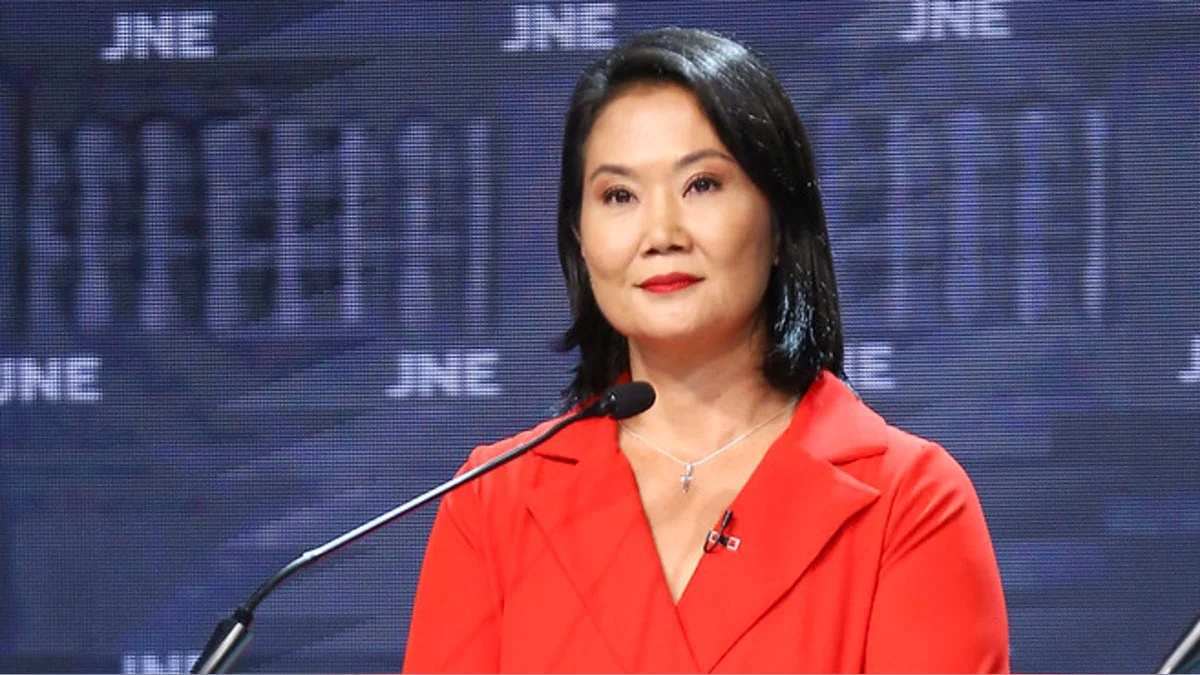
As the dust settles on the latest electoral cycle in Peru, the nation finds itself in a state of watchful waiting. Keiko Fujimori, the presidential candidate for Fuerza Popular (FP), has publicly urged for calm and patience as the national electoral authorities navigate the final stages of the vote count. The process, currently stalled by the adjudication of contested ballots, has become the focal point of a tense democratic exercise.
Fujimori, speaking from outside her residence in the district of San Borja, addressed the press regarding the status of 1,601 contested ballots. These ballots are currently undergoing forensic review by the Jurados Electorales Especiales (JEE), a process that is critical to determining the final tally. Fujimori underscored that her party is approaching the situation with "prudence," noting that the majority of these disputed ballots originate from Lima, a region where her campaign secured a significant portion of its support.
The core of the current electoral friction lies in the discrepancy between the parties involved. While the official results from the Oficina Nacional de Procesos Electorales (ONPE) are the final authority, the formal challenge process—a mechanism protected by Peruvian electoral law—has slowed the announcement of a definitive winner.
Chronology: The Path to the Current Impasse
The electoral journey has been characterized by high-stakes competition and granular legal scrutiny. Following the casting of ballots, the initial tabulation process provided a preliminary snapshot of the national sentiment. However, as the margins tightened, the attention shifted toward the integrity of the individual tallies.
- Election Day: Citizens headed to the polls in a high-turnout event, signaling the importance of this electoral cycle for the country’s future.
- Initial Tabulation: ONPE released rolling updates, which showed a razor-thin margin between the leading candidates.
- The Challenge Phase: Representatives from Juntos por el Perú (JP), led by Roberto Sánchez, initiated a series of challenges against specific acts (ballot records) they deemed irregular.
- Current Phase: The JEE began the process of reviewing these documents, an exercise described by Fujimori as "cédula por cédula" (ballot by ballot).
- Projected Timeline: Based on current proceedings, experts and political observers, including the candidate herself, estimate that the resolution of these contested acts will take approximately one week.
Supporting Data and Procedural Transparency
The complexity of the current situation is rooted in the sheer volume of contested material. While Fuerza Popular has limited its formal challenges to a small number of specific cases, the opposition, Juntos por el Perú, has filed a significantly higher volume of observations.
Fujimori noted that her team has only challenged seven acts, contrasting this with the "hundreds" of observations submitted by the JP coalition. "They are entirely within their right to do so," Fujimori remarked, emphasizing that the legal teams from both sides must now engage in the rigorous task of clarifying each mesa (polling station) and each acta (ballot record) before the special juries.
The candidate expressed confidence in the transparency of the current mechanism. "We believe this procedure can take approximately one week, depending on whether there are further challenges. However, these public hearings, where they are reviewing ballot by ballot, generate trust and more credibility for the citizenry," she stated. This commitment to the formal legal framework is a strategic pivot to reinforce the legitimacy of the eventual outcome, regardless of who emerges victorious.
Official Responses and the Stance of Competitors
The political atmosphere has been further complicated by scheduled public demonstrations. When asked about the mobilization organized in support of her opponent, Roberto Sánchez, Fujimori maintained a posture of democratic tolerance.
"In our country, citizens have the right to march, to express their different opinions," she said. "Everything is guaranteed, of course. But this must be within the framework of the law, the Constitution, and with respect for other citizens."
This response reflects a broader attempt by the Fujimori campaign to position itself as a defender of institutional stability. By encouraging her supporters to remain calm and asking for respect for the rule of law, the candidate is attempting to prevent the electoral tension from boiling over into civil unrest. The message is clear: the electoral authorities, not the streets, will determine the next president of Peru.
Implications: Governance and the Coming Five-Year Term
Beyond the immediate electoral count, the implications of this delay are profound. Peru has faced a period of significant political instability in recent years, characterized by a rapid succession of presidents and a fractured legislative environment.
Fujimori has already begun to signal that, regardless of the outcome, the next term will require a fundamental shift in political strategy. In previous remarks, she emphasized that "we will have to dialogue with the political parties in the next five-year term." This acknowledgement of the necessity for coalition-building and consensus is a recognition of the polarized nature of the current Peruvian electorate.
The Role of the JEE and the ONPE
The effectiveness of the JEE in resolving these 1,601 acts will serve as a litmus test for the robustness of Peru’s electoral institutions. If the process is seen as impartial, it will go a long way toward healing the political divisions exposed by the election. If, however, the process is perceived as being manipulated or biased, it could lead to long-term distrust in the electoral system.
The Burden of Responsibility
The responsibility now rests with the legal representatives and the jurors to navigate the nuances of the electoral code. The scrutiny of individual ballots is a tedious but essential process. It serves to ensure that every vote is accounted for correctly, balancing the need for speed with the necessity of accuracy.
Conclusion: A Democracy in Transition
As the country waits for the final word from the ONPE, the mood in Lima is one of restrained anticipation. The candidate’s call for "prudence and patience" is not merely a political slogan; it is an appeal for the nation to allow its democratic institutions to do the work they were designed for.
The coming week will be decisive. Whether the result validates the current projections or introduces a new dynamic, the process will define the political landscape for the next five years. For now, the focus remains on the halls of the electoral juries, where the future of the nation is being counted one ballot at a time. The democratic exercise, while arduous, remains the bedrock upon which the legitimacy of the next administration will be built.
By adhering to the rule of law, respecting the rights of opposition protesters, and trusting in the established electoral procedures, the stakeholders in this election are participating in a process that, while currently slow and tense, remains the only viable path to a peaceful transfer of power. The global community, and indeed the Peruvian people, await the final certification with the hope that the outcome will be accepted by all, and that the nation can move forward toward the challenges of the next five-year mandate.