Introduction: A Sector in State of Emergency
The Peruvian textile and garment industry, a historical pillar of the national economy and a significant employer of micro and small enterprises (MYPEs), is currently navigating its most challenging period in recent memory. On October 1, 2026, the government issued Supreme Decree N° 014-2026-PRODUCE, formally declaring the sector in a state of emergency for a duration of 120 days.
This decision was not made lightly. It is the result of a "perfect storm": the lingering economic repercussions of the El Niño phenomenon—which caused unseasonal temperature spikes—and a structural decline in sales that has paralyzed inventory turnover. As thousands of small businesses grapple with warehouses full of unsold winter gear, the Ministry of Production (PRODUCE) has launched a multi-pronged rescue strategy aimed at clearing stock, easing tax burdens, and revolutionizing access to credit.
The Core Challenge: Climate Disruption and Inventory Stagnation
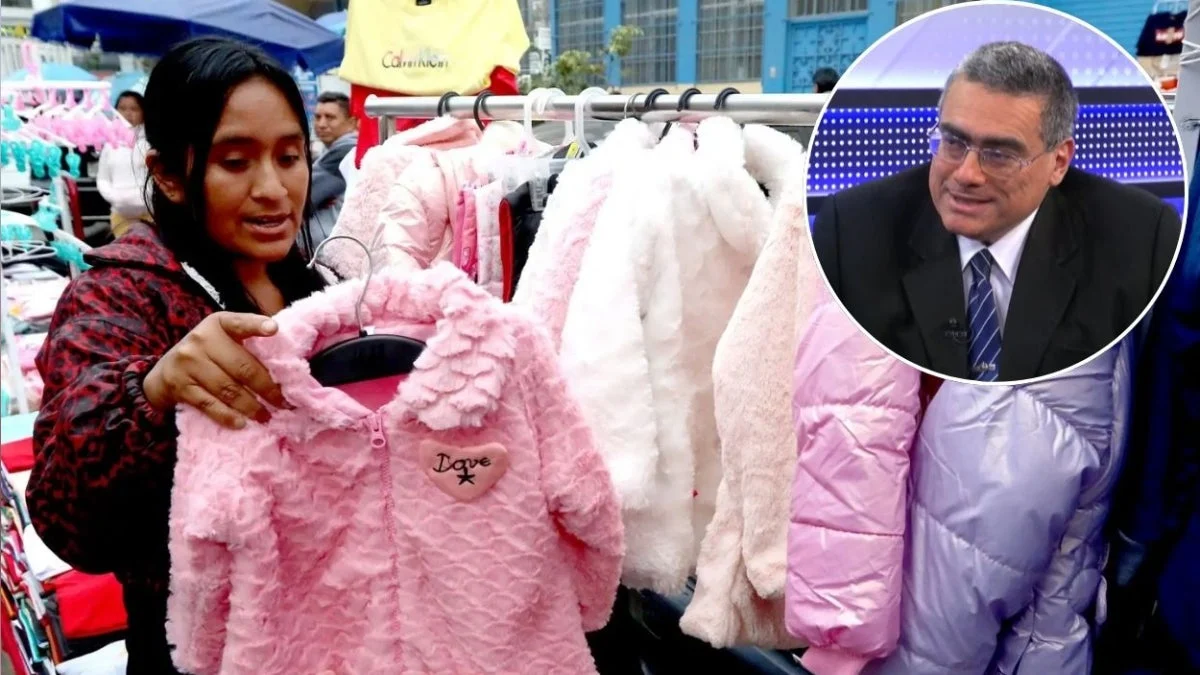
At the heart of the crisis lies a simple yet devastating economic reality: fashion and apparel are seasonal businesses. The textile industry geared up for a cold winter, producing high-value items such as wool sweaters, jackets, and thermal clothing. However, the climate anomalies associated with the El Niño phenomenon resulted in unusually high temperatures across the Peruvian coast.
The consequence was immediate: consumer demand for winter apparel evaporated. For a small entrepreneur, this represents a catastrophe. Capital is essentially "trapped" in shelves and boxes, preventing the reinvestment necessary to produce summer collections. Without the liquidity generated by these sales, companies cannot meet payroll, pay suppliers, or settle debt obligations.
Strategic Chronology: The "Outlet" Roadmap
To address this, the government, led by the Ministry of Production, is implementing a series of regional "outlets" designed to bridge the gap between unsold stock and the end consumer. These events are not merely flea markets; they are strategic retail hubs designed to provide an immediate cash injection to businesses.
The Schedule of Recovery:
- October 21, 2026 (Ayacucho): The inaugural event kicks off in this central Andean city, serving as a pilot for the nationwide strategy.
- October 29, 2026 (Huancayo): The second outlet event will target the Mantaro Valley, leveraging a dense population of textile consumers.
- Future Phases: Following the assessment of these two events, the government plans to expand the initiative to Huánuco, with the goal of creating a permanent calendar of "fair-price" sales across the country.
The logistics of these events are collaborative. Regional governments are working in tandem with the Ministry of Production to provide secure, high-traffic spaces where textile guilds and independent workshops can offer their goods directly to the public at heavily discounted "liquidation" prices. By bypassing intermediaries, the goal is to ensure that the maximum possible margin stays with the manufacturer while providing the consumer with high-quality goods at accessible prices.
Official Responses: Insights from the Ministry of Production
Eloy Durán, the Vice Minister of MYPE and Industry, has been the face of this intervention. Speaking to RPP’s Economía para Todos, Durán emphasized that the government’s approach is not just about moving boxes—it is about economic survival.
"The entrepreneurs are essentially clearing their stock at cost or near-cost just to regain the liquidity necessary to survive," Durán explained. The government’s role, according to the Vice Minister, is to facilitate the ecosystem where this exchange can happen safely and efficiently. By providing these public spaces, the government removes the high cost of retail rent that would otherwise prohibit these businesses from hosting their own sales events.
Furthermore, the government is moving to address the "hidden" pressures on these firms, specifically regarding their tax obligations.
Fiscal Relief: Navigating Tax Obligations
Recognizing that a business in crisis cannot prioritize tax payments over payroll, the Superintendencia Nacional de Aduanas y de Administración Tributaria (SUNAT) has activated emergency protocols. These are not merely suggestions but formal regulatory shifts designed to prevent the collapse of the formal sector.
Key Tax Facility Adjustments:
- Extended Payment Windows: Companies operating within the declared emergency zones are now eligible for revised payment schedules for their tax obligations.
- Fractioning Flexibility: In a major move, the government has authorized the accumulation of up to five unpaid tax installments (quotas), a significant increase from the standard two-installment limit. This provides a "breathing room" of several months, allowing business owners to prioritize cash flow for immediate operational needs before catching up on fiscal contributions.
This approach acknowledges that the textile sector is a primary generator of formal employment. By keeping these firms alive through the winter-stock crisis, the government protects the broader labor market from a spike in unemployment.
Financial Engineering: The Factoring Revolution
Perhaps the most ambitious component of the recovery plan is the expansion of "factoring" as a financial tool for MYPEs. Factoring—a financial transaction where a business sells its accounts receivable (invoices) to a third party at a discount to obtain immediate cash—has historically been underutilized in the public sector.
The 19-Ministry Goal
Currently, only three government ministries utilize factoring to settle their obligations with suppliers. The Ministry of Production aims to scale this to all 19 ministries by mid-October 2026.
The mechanism is straightforward but powerful: when a ministry purchases goods or services from a textile MYPE, the MYPE receives a digital invoice. Instead of waiting for the ministry’s standard 30-to-90-day payment cycle, the MYPE can use that invoice as a financial instrument to receive cash immediately from a bank or factoring company. This ensures that the government itself is not the cause of a liquidity crunch for its own suppliers.
"We want all 19 ministries to fulfill their obligations to these companies by paying on time, and factoring is the bridge to ensure that happens," Durán stated. The pilot program for this transition began on October 16, 2026, marking a significant shift in how the Peruvian state interacts with its small-business vendors.
Economic Implications: A Long-Term Vision
The declaration of a state of emergency for the textile sector is a recognition that the "free market" alone cannot resolve systemic shocks caused by extreme climate events. The combination of direct retail support (outlets), tax leniency (SUNAT), and financial modernization (factoring) creates a protective shield for thousands of entrepreneurs.
Potential Risks and Challenges:
- Inventory Quality: There is a risk that if the stock is too old or specifically suited to the wrong season, even discounted prices may not attract enough consumers.
- Administrative Bottlenecks: The transition of 19 ministries to a mandatory factoring model is a complex bureaucratic task that could face resistance or technological hurdles.
- Market Saturation: While outlets help in the short term, they may temporarily depress prices in local markets, potentially creating a secondary challenge for businesses trying to sell new, full-priced summer collections.
The Path Forward
The success of this emergency plan will likely be measured by the number of businesses that avoid bankruptcy over the next four months. If the regional outlets prove successful, they could become a permanent part of the Peruvian industrial strategy, providing a recurring mechanism for inventory liquidation during times of market volatility.
For now, the eyes of the Peruvian textile industry are on the October 21 launch in Ayacucho. It is the first test in a race against time to turn frozen assets back into liquid capital. The government’s proactive stance signals a shift toward a more interventionist approach, prioritizing the stability of the MYPE sector as a critical component of national economic resilience.
Ultimately, the goal is not merely to survive the current climate crisis, but to build a more agile, digitally connected, and financially robust textile sector that can withstand the unpredictable nature of the 21st-century global economy. As the sector moves through these 120 days of emergency, the synergy between public policy and private enterprise will be the deciding factor in whether Peru’s textile heartland remains a vibrant engine of growth or succumbs to the pressures of a changing climate.