Introduction: A Fragile Democratic Landscape
The National Confederation of Private Business Institutions (CONFIEP), the primary representative body for Peru’s private sector, has issued a stern and unequivocal condemnation regarding recent rhetoric surrounding the nation’s ongoing electoral process. As the country navigates the high-stakes environment of a presidential runoff, one of the participating political forces has begun characterizing the electoral proceedings as an "ongoing fraud."
These allegations, leveled without the presentation of verifiable evidence, have sparked widespread concern among stakeholders, civil society, and international observers. By signaling a refusal to recognize the legitimacy of the electoral outcome, these political actors have introduced a volatile element into an already precarious period of governance transition. CONFIEP’s intervention marks a significant escalation in the discourse, signaling that the business community views these challenges not merely as political posturing, but as a direct threat to the country’s institutional stability and long-term economic viability.
Chronology of the Electoral Dispute
The current tension did not emerge in a vacuum; it is the culmination of a recurring pattern of political polarization that has characterized Peruvian elections in recent years.
The Rise of Rhetorical Polarization
In the days following the casting of ballots, the political climate shifted from one of democratic competition to one of systemic obstruction. The pattern follows a familiar trajectory: initial claims of "irregularities" at individual polling stations are quickly elevated to broad, unsubstantiated allegations of systemic "fraud in development."
The Strategy of Non-Recognition
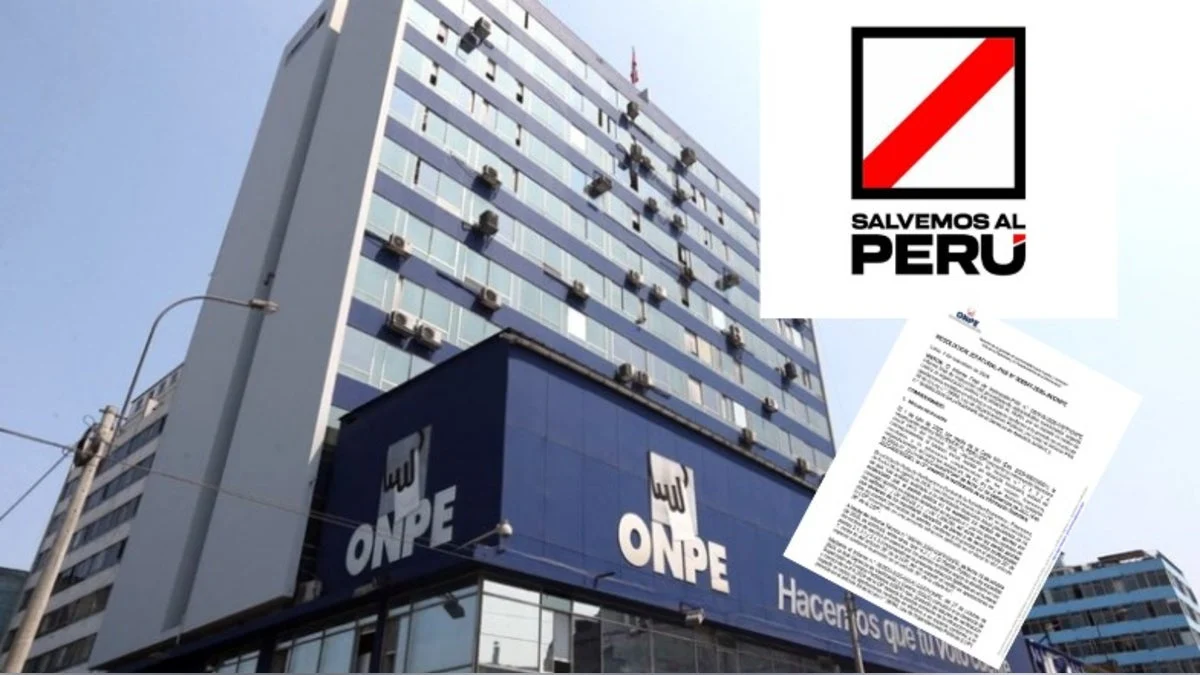
By pre-emptively announcing that the results will not be recognized, political factions are attempting to erode the authority of the National Jury of Elections (JNE) and the National Office of Electoral Processes (ONPE). This tactic, which mirrors the events of the 2021 general election, is designed to mobilize a base of support through the delegitimization of the electoral referee, thereby complicating the final proclamation of the winner and delaying the transition of power.
Supporting Data: Why Stability Matters
The urgency of CONFIEP’s statement is underscored by a series of pressing national crises that require immediate and undivided governmental attention. The private sector’s apprehension is rooted in empirical data regarding the nation’s vulnerability.
The Looming Threat of El Niño
Meteorological forecasts indicate that Peru faces a significant threat from the El Niño phenomenon. Historically, this event has resulted in catastrophic damage to infrastructure, the destruction of agricultural output, and the displacement of vulnerable populations. An administration without clear, undisputed legitimacy will struggle to mobilize the necessary resources, coordinate regional disaster responses, or secure international aid.
Security and Economic Indicators
Beyond natural disasters, the country is grappling with an acute crisis of citizen insecurity. Organized crime and rising rates of violent incidents have created a climate of instability that discourages domestic and foreign investment. Economically, the country is attempting to recover from years of stagnation. Investor confidence is inherently tied to political predictability; when the rules of the democratic game are called into question, the cost of capital rises, and long-term infrastructure projects are placed on hold.
Official Responses and Institutional Stance
The response from the business community has been swift and unified. CONFIEP, representing a diverse array of industrial and commercial interests, has made its position clear: the defense of democracy is a prerequisite for economic development.
The Call for Responsible Governance
In its official communique, CONFIEP stated: "These assertions do not contribute to strengthening electoral transparency or public trust. On the contrary, they generate uncertainty, weaken democratic institutions, and favor the unnecessary prolongation of the official proclamation of results."
Reiteration of the 2021 Precedent
The reference to the 2021 election is intentional. During that cycle, the nation endured weeks of uncertainty as allegations of fraud circulated. The eventual resolution, supported by international observers, confirmed the results, but the process left the country’s institutions frayed. CONFIEP is signaling that the nation cannot afford a repeat of this exhaustion. They are demanding that all political parties commit to a transparent transition, regardless of the winner.
The Broader Implications: A Nation at Risk
The implications of this political standoff extend far beyond the immediate election results. If the discourse of "fraud" becomes a standard tool of political mobilization, the long-term integrity of the Peruvian state is at risk.
Erosion of Public Trust
When political leaders suggest that the system is rigged without providing proof, they sow seeds of cynicism among the electorate. This distrust is difficult to reverse and often leads to political apathy or, conversely, civil unrest. The legitimacy of the incoming government is not just a legal status; it is a functional necessity for implementing policy and maintaining social order.
The Necessity of an Orderly Transition
For an administration to be effective from its "first day," it must be able to focus on the immediate implementation of its economic and social agenda. If a portion of the political class remains in a state of permanent opposition based on the denial of the election’s outcome, the government will be forced into a defensive posture. This "paralysis by design" prevents the state from addressing the critical issues of health, education, and infrastructure.
The Role of International Observation
International bodies, including the Organization of American States (OAS) and various diplomatic missions, have historically played a vital role in validating the integrity of Peru’s electoral systems. However, the internal rhetoric of fraud creates a difficult environment for these observers. If the national political actors do not respect the institutional framework, external validation loses its potency.
Conclusion: A Demand for Responsibility
As the situation continues to evolve, the business community, through organizations like CONFIEP, is acting as a self-appointed guardian of the democratic order. By demanding that political organizations recognize the results, they are asserting that the economic and social stability of the country is not a bargaining chip in a partisan game.
The path forward for Peru requires a return to the fundamentals of democratic conduct: respect for the electoral referee, the peaceful acceptance of results, and a collective focus on the urgent tasks of governance. The challenges of the El Niño phenomenon, economic recovery, and citizen security are far too great to be handled by a fractured and divided political class.
Ultimately, the preservation of Peru’s democratic institutions is the foundational requirement for its future prosperity. As CONFIEP aptly noted in their final exhortation, the country demands that its political forces act with the gravity and responsibility that the current historical moment requires. The era of questioning the democratic process must come to an end if the country is to successfully navigate the turbulent waters ahead.
Final Thoughts on Institutional Integrity
The persistence of the "fraud" narrative serves as a diagnostic indicator of the health of Peru’s political culture. If the system is to survive, it requires not only the mechanical counting of ballots but also the moral commitment of its political actors to abide by the rules of the game. For now, the private sector remains vigilant, watching closely as the political actors decide whether they will prioritize the nation’s stability over their individual political ambitions. The coming days will be critical, not only for the outcome of this specific election but for the survival of the democratic spirit in Peru.