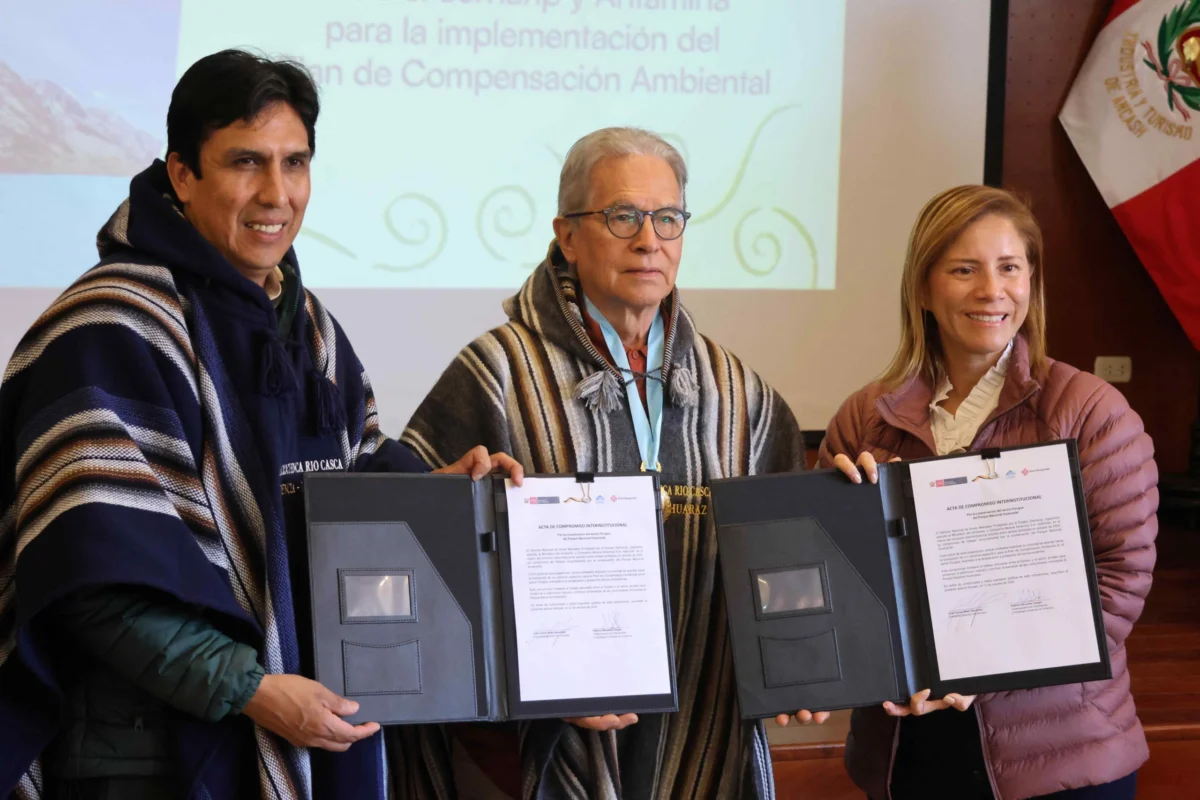
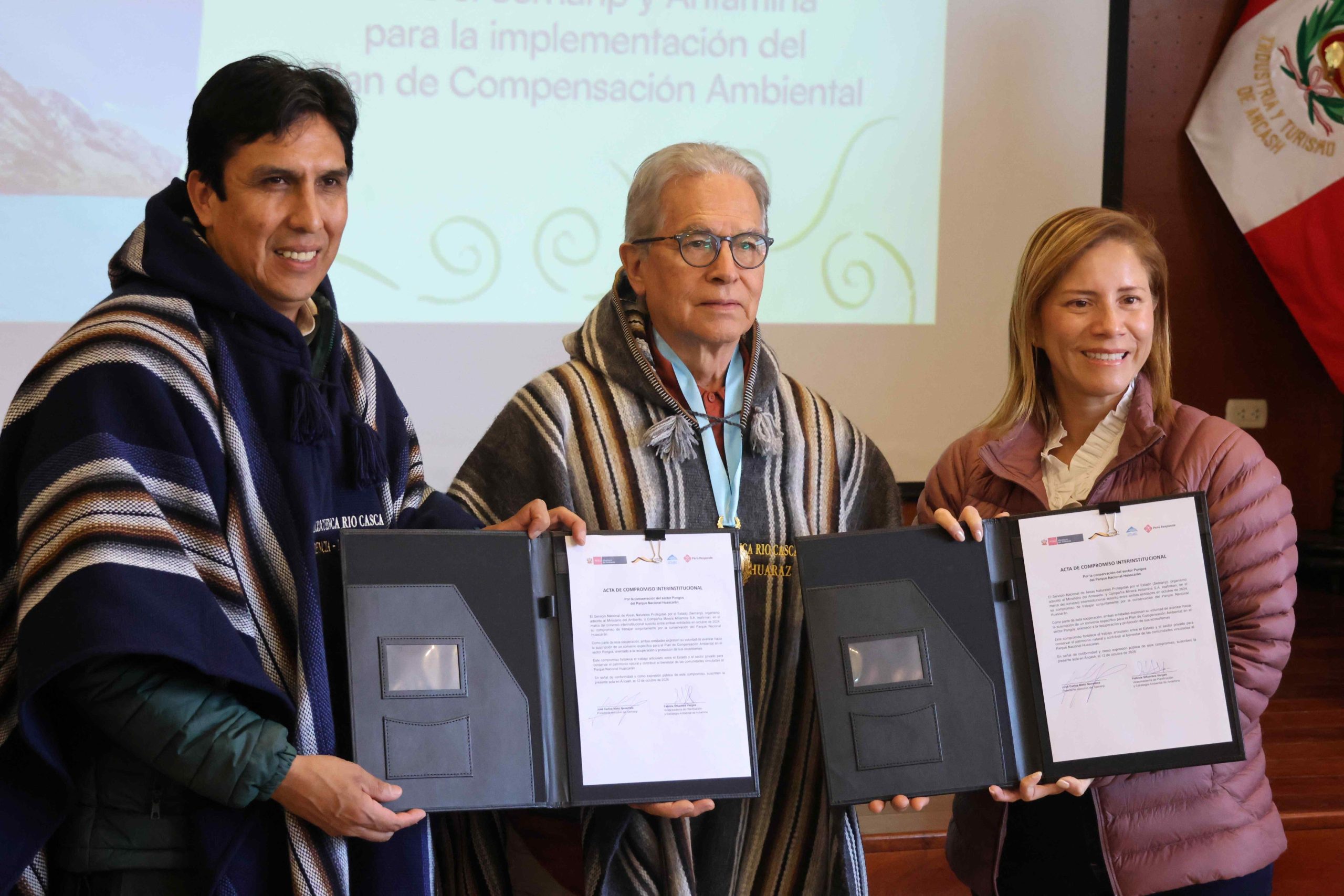
Ancash, Peru – In a significant move to bolster the protection of Peru’s invaluable natural heritage, the National Service of Natural Protected Areas of the State (Sernanp) and the mining company Antamina have formalized a crucial inter-institutional commitment. This agreement, solidified through the signing of an Inter-institutional Commitment Act, paves the way for the implementation of an Environmental Compensation Plan within the vital Huascarán National Park, a UNESCO World Heritage site renowned for its breathtaking Andean landscapes and rich biodiversity.
This strategic alliance represents a pivotal step forward from a previously established Cooperation Agreement, laying the groundwork for a more specific accord that will define the operational framework for conservation, restoration, and environmental monitoring activities. The initiative underscores a growing recognition of the shared responsibility in safeguarding these critical ecosystems amidst the escalating challenges posed by climate change and human development.
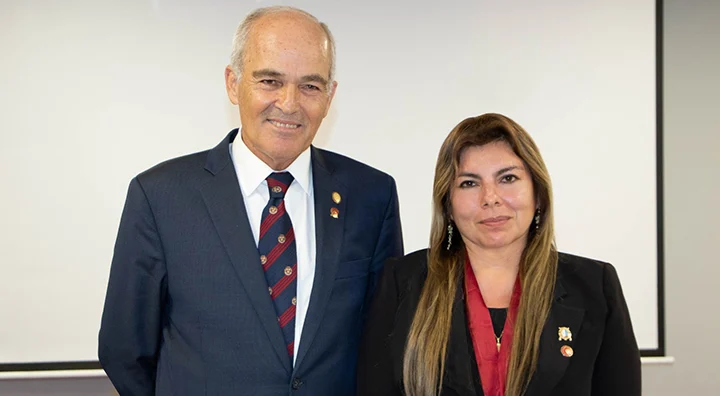
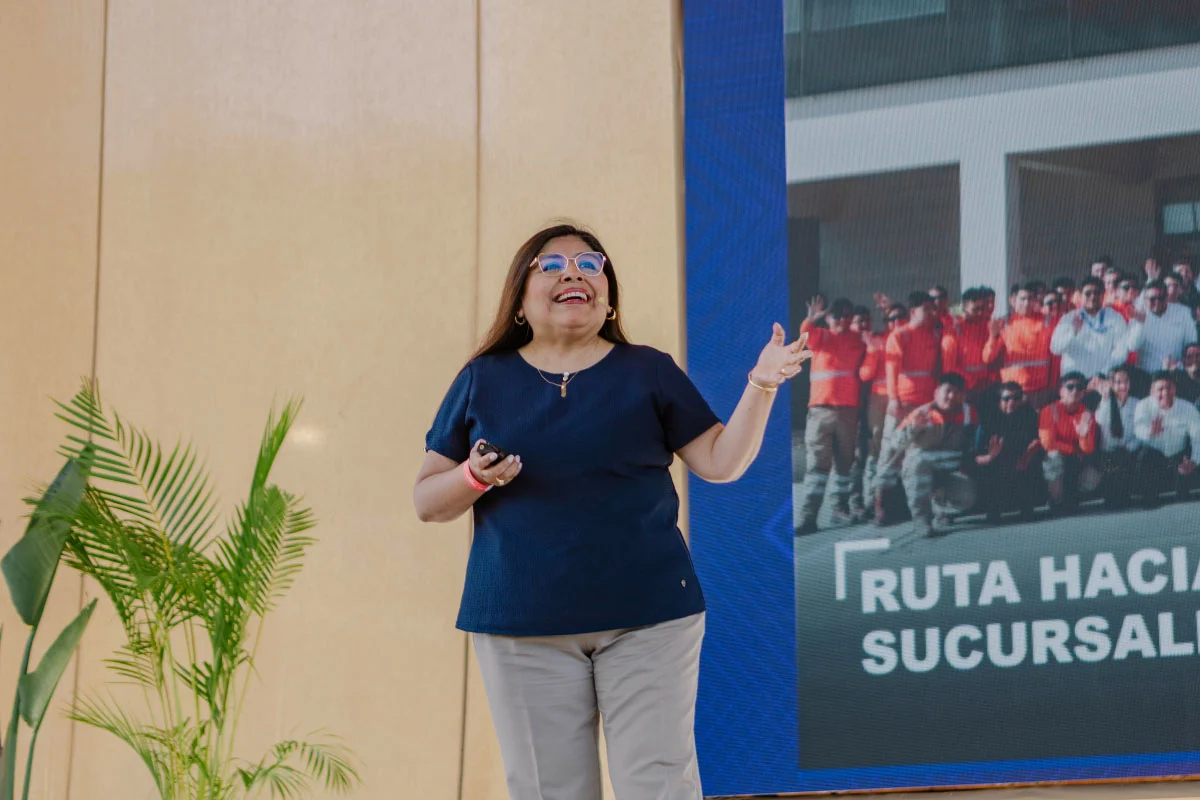
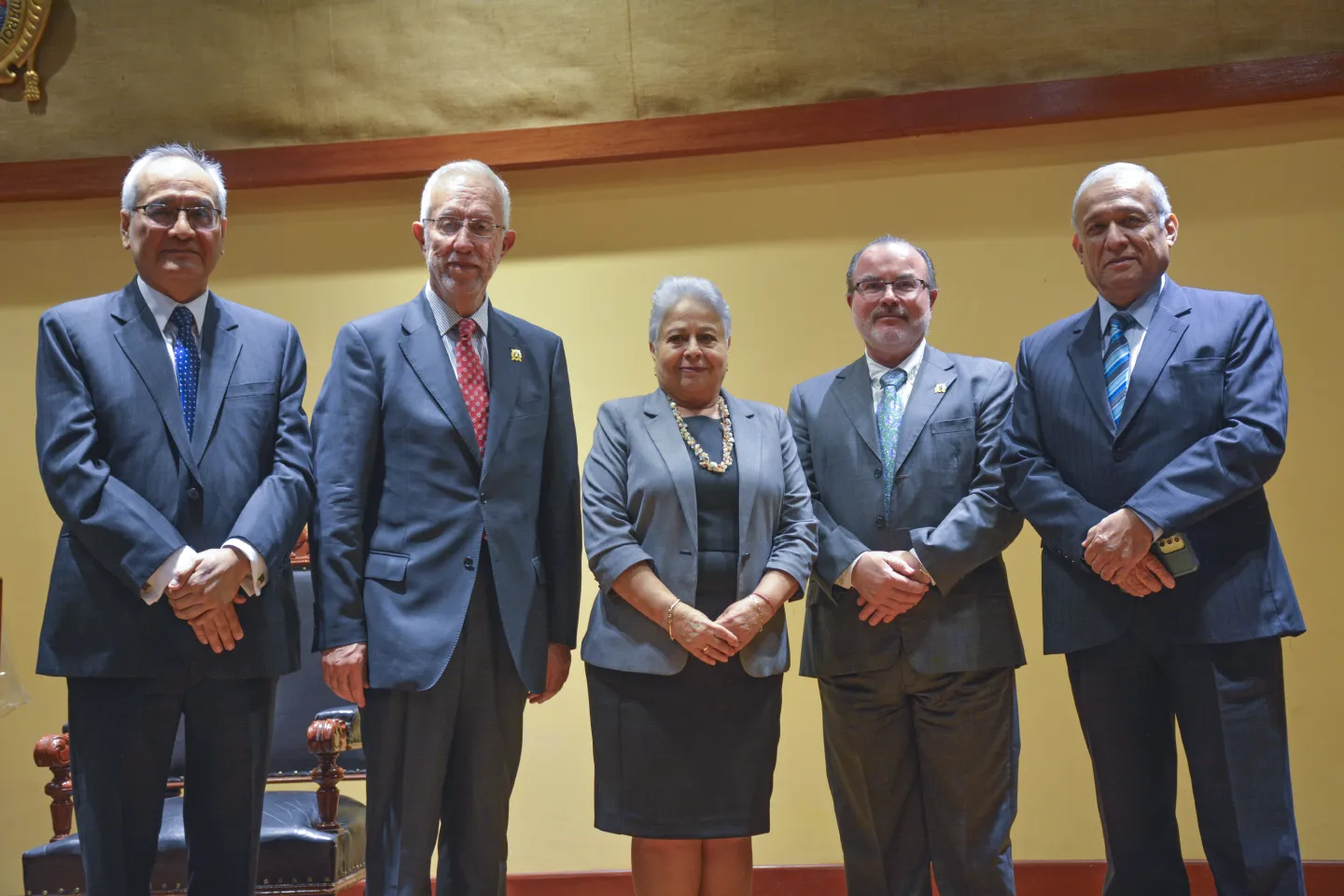
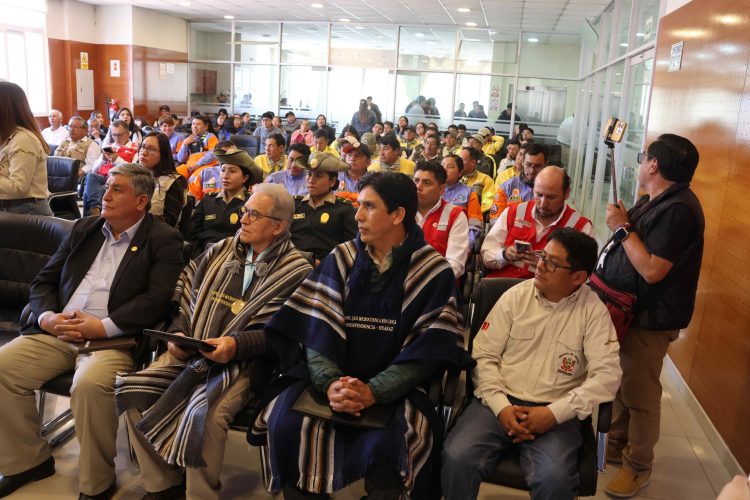
The official ceremony, held at the Alpamayo Auditorium of the Ancash Chamber of Commerce, brought together a distinguished assembly of national and regional leaders, environmental stewards, and community representatives. Presiding over the event were key figures such as the Minister of Environment, Vladimiro Huaroc Portocarrero; the Executive President of Sernanp, José Carlos Nieto Navarrete; and the Vice President of Environmental Planning and Strategy for Antamina, Fabiola Sifuentes Vargas. Their presence, alongside local authorities, public institution representatives, members of the Atusparia de Huaypan peasant community, park rangers, and Sernanp specialists, highlighted the broad-based support for this conservation endeavor.
A Foundation Built on Collaboration: Chronology of the Partnership
The signing of the Inter-institutional Commitment Act is not an isolated event but rather the culmination of a sustained period of collaborative efforts between Sernanp and Antamina. This partnership, which has been actively developing over the past two years, has already yielded tangible progress in the management and protection of Huascarán National Park.
The initial Cooperation Agreement served as the foundational document, establishing a framework for dialogue and joint action. This led to Antamina’s active participation in the crucial process of updating the park’s Master Plan for the 2025-2030 period. This strategic planning document is instrumental in guiding the long-term vision and operational strategies for the park’s conservation and management.
Furthermore, the collaboration has seen the development of concrete actions directly linked to the Environmental Compensation Plan. This plan is designed to address potential environmental impacts and actively contribute to the ecological health of the park. The Inter-institutional Commitment Act now formalizes these existing efforts and sets a clear path for the execution of the Environmental Compensation Plan, ensuring a structured and accountable approach to its implementation.
The commitment to develop specific agreements for the execution of the plan signifies a dedication to operationalizing conservation goals. This phased approach, moving from broad cooperation to specific, actionable plans, demonstrates a mature and strategic partnership focused on delivering measurable outcomes for the Huascarán National Park.
Addressing Environmental Imperatives: The Huascarán National Park and the Compensation Plan
Huascarán National Park, nestled in the heart of the Cordillera Blanca, is a jewel of Peru’s natural heritage. Its towering peaks, glacial lakes, and unique alpine ecosystems harbor an extraordinary array of flora and fauna, many of which are endemic to the region. The park’s designation as a UNESCO World Heritage site underscores its universal value and the imperative for its stringent protection.
However, this natural paradise faces numerous threats, including the impacts of climate change, unregulated tourism, and resource extraction pressures. The Environmental Compensation Plan, a central component of the new agreement, is designed to proactively mitigate these challenges and enhance the park’s ecological resilience.
The plan specifically targets the Pongos II sector of the park, a crucial area identified for focused conservation, restoration, and monitoring initiatives. These interventions are slated for an eight-year implementation period, indicating a long-term commitment to ecological recovery and sustained protection.
The core objectives of the Environmental Compensation Plan include:
- Conservation: Implementing strategies to protect existing biodiversity and critical habitats within the Pongos II sector. This may involve measures such as habitat restoration, species protection programs, and the establishment of buffer zones.
- Restoration: Undertaking activities to rehabilitate degraded areas within the park. This could include reforestation efforts, soil erosion control, and the reintroduction of native species where appropriate.
- Monitoring: Establishing robust systems for tracking the ecological health of the park. This involves regular assessments of biodiversity, water quality, glacial melt, and the overall effectiveness of conservation interventions. This data-driven approach is crucial for adaptive management and ensuring the long-term success of the plan.
By focusing on these three pillars, the Environmental Compensation Plan aims to not only offset potential environmental impacts but also to actively improve the ecological condition of a significant portion of Huascarán National Park, ensuring its preservation for future generations.
Voices of Commitment: Official Responses and Endorsements
The signing ceremony provided a platform for key stakeholders to articulate their vision and commitment to the conservation of Huascarán National Park. The endorsement from the Minister of Environment, Vladimiro Huaroc Portocarrero, lent significant weight to the initiative, highlighting its national importance.
Minister Huaroc lauded Antamina’s multifaceted contribution to the Ancash region, recognizing its role in regional development through infrastructure projects and resource allocation that benefit the local population. He specifically commended the company’s dedication to environmental conservation and its collaborative spirit in forging this alliance with Sernanp.
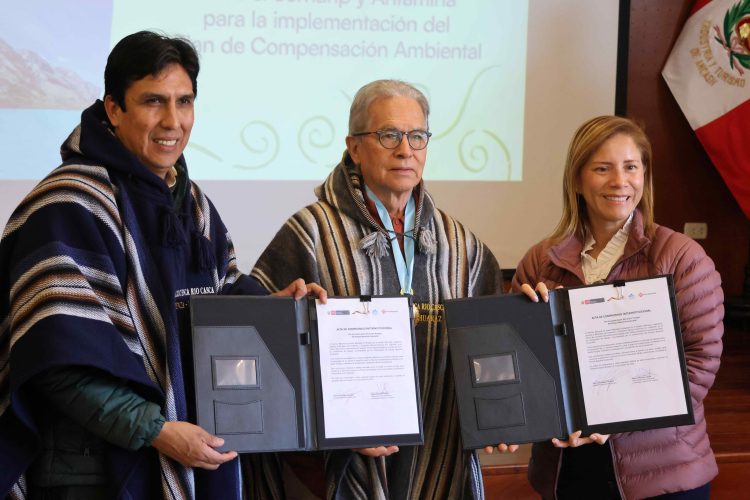
"Antamina is making a significant contribution to the development of Ancash through works and resources that benefit its population, meeting the highest quality standards," stated Minister Huaroc. "We applaud their commitment to the conservation of our natural heritage and the alliance with Sernanp to strengthen the protection of Huascarán National Park in the face of the challenges of climate change."
This statement from the Minister underscores the government’s recognition of the private sector’s vital role in environmental stewardship and the importance of public-private partnerships in achieving national conservation goals.
Fabiola Sifuentes Vargas, Vice President of Environmental Planning and Strategy for Antamina, echoed this sentiment, emphasizing the concrete progress achieved over the two years of collaboration. She highlighted the company’s proactive involvement in updating the park’s Master Plan and the ongoing development of environmental compensation actions.
"In these two years of joint work with Sernanp, we have achieved concrete advances for the conservation of Huascarán National Park, such as accompanying the update of its Master Plan 2025-2030 and the development of environmental compensation actions," affirmed Sifuentes Vargas. "From Antamina, we reaffirm our commitment to continue working with the State and territorial actors to protect this natural heritage and promote sustainable development."
Her remarks not only reinforced Antamina’s dedication but also signaled a forward-looking approach, emphasizing the ongoing nature of their commitment to the region and its natural resources. The inclusion of "territorial actors" in her statement points to a holistic approach that recognizes the importance of local communities and indigenous groups in conservation efforts.
José Carlos Nieto Navarrete, Executive President of Sernanp, while not directly quoted in the provided text, his presence and the organization’s active participation in the agreement signify Sernanp’s unwavering commitment to its mandate of protecting Peru’s natural heritage. Sernanp’s role as the custodian of protected areas makes this partnership crucial for the effective management of Huascarán National Park.
The participation of the Atusparia de Huaypan peasant community is particularly noteworthy. Their inclusion signifies a commitment to community-based conservation, recognizing that the long-term success of any environmental initiative hinges on the engagement and support of local populations who are directly connected to the land.
Broader Implications and the Path Forward
The formalization of the agreement between Sernanp and Antamina carries significant implications for the future of conservation in Peru, particularly within the Ancash region. This collaborative model offers a potential blueprint for other public-private partnerships aimed at protecting ecologically sensitive areas.
The initiative directly addresses the pressing need for sustained investment and coordinated action in the face of climate change. The commitment to an eight-year implementation period for the Environmental Compensation Plan demonstrates a long-term vision, moving beyond short-term projects to foster lasting ecological benefits.
Furthermore, the emphasis on conservation, restoration, and monitoring within a structured plan highlights a scientific and data-driven approach to environmental management. This will enable Sernanp and Antamina to adapt their strategies based on empirical evidence, maximizing the effectiveness of their interventions.
Antamina’s commitment to "sustainable development" in conjunction with conservation efforts suggests a holistic approach that recognizes the interconnectedness of economic progress and environmental well-being. This aligns with global trends towards responsible resource management and the integration of environmental considerations into corporate social responsibility strategies.
The involvement of local communities, such as the Atusparia de Huaypan, is a crucial element that promises to foster greater local ownership and stewardship of the park’s resources. Empowering these communities through engagement and participation is essential for the long-term success and sustainability of conservation efforts.
In conclusion, the Inter-institutional Commitment Act signed between Sernanp and Antamina represents a beacon of hope for the conservation of Huascarán National Park. It signifies a powerful synergy between governmental oversight, private sector investment, and community engagement, all united by a common goal: to safeguard one of Peru’s most precious natural treasures for generations to come. This partnership not only strengthens the protection of an iconic landscape but also sets a precedent for collaborative conservation in a world increasingly aware of the urgent need to protect our planet’s biodiversity.