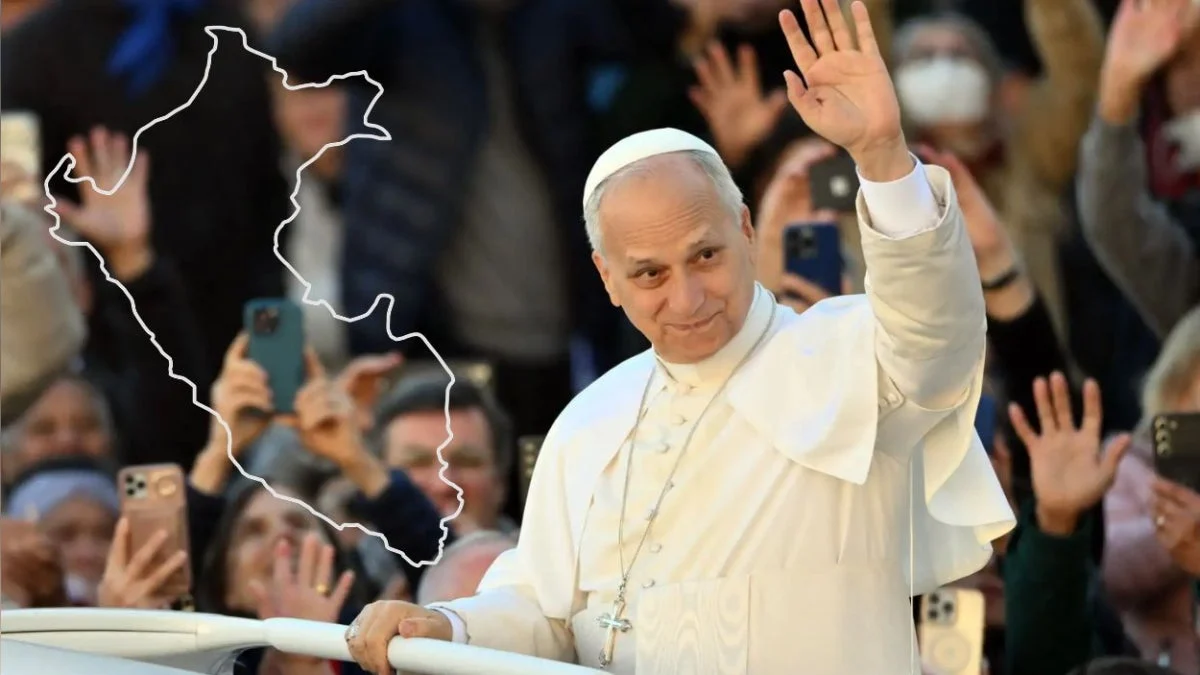
The Peruvian government has enacted a series of extraordinary measures aimed at streamlining the logistical preparations for the upcoming visit of Pope Leo XIV. Through the publication of Emergency Decree N° 012-2026, the administration has granted state entities the authority to bypass traditional public bidding processes, allowing for direct contracting to ensure that infrastructure, broadcasting, and logistical requirements are met in time for the pontiff’s arrival.
The decree, which carries significant weight for regional planning, specifically authorizes the National Institute of Radio and Television of Peru (IRTP), the National Program for Urban Sanitation (PNSU), and the Regional Government of Lambayeque to execute contracts directly. Perhaps most controversially, the measure empowers regional authorities in Lambayeque to intervene in private lands to facilitate the creation of access routes, parking, and event areas necessary for the high-profile visit.
Main Facts: Streamlining the Papal Itinerary
The primary objective of Decree N° 012-2026 is to remove bureaucratic bottlenecks that could jeopardize the timeline of the papal tour. By permitting direct selection procedures, the government aims to expedite the procurement of services that are essential to the success of events in Lima and Lambayeque.
For the IRTP, this means securing the technical infrastructure required for the official production, transmission, and global broadcast of the Pope’s activities. Meanwhile, the PNSU has been tasked with the critical logistical challenge of managing sanitation services in Lima, including the rental, installation, and maintenance of mobile chemical toilets for the expected massive crowds.
In Lambayeque, the scope is broader. The regional government is now authorized to procure security services, identification systems, protocol-related support, and the heavy machinery required to prepare sites such as the Pampas de Pimentel, the Captain FAP José Abelardo Quiñones Gonzales International Airport, the Cathedral of Chiclayo, and the Santo Toribio de Mogrovejo Chapel in Zaña.
Chronology of Preparations and Implementation
The planning phase for the papal visit began in earnest following the official announcement of the itinerary, which spans several key regions. The government’s decision to issue this emergency decree comes as the deadline for site readiness approaches.
- Early 2026: Initial site assessments conducted by the Ministry of Foreign Affairs and the Vatican’s advance team identified critical infrastructure gaps in Lambayeque.
- April 2026: The government drafts the emergency framework to address procurement delays.
- May 2026: Decree N° 012-2026 is officially enacted, providing the legal basis for the current interventions.
- June – October 2026: Current phase, involving the negotiation of land access with private property owners and the commencement of site conditioning.
- November 16, 2026: The expiration date for the extraordinary measures granted under the current decree.
The Lambayeque Intervention: Balancing Public Need and Private Rights
The provision allowing for the intervention of private land has drawn significant attention from legal experts and local landowners. Under the new decree, the Regional Government of Lambayeque may perform essential works on private property, including soil leveling, compaction, road access conditioning, the installation of temporary parking, and the implementation of drainage and lighting systems.
However, the government has emphasized that these interventions are subject to strict safeguards. Intervention on any private parcel is strictly prohibited without the "prior and express authorization" of the owner or legitimate possessor. Furthermore, the decree clarifies that this use of land is purely temporary; it does not constitute an expropriation or a transfer of title. Once the papal events conclude, the state is legally obligated to restore the land to its previous state or as otherwise agreed upon with the owners.
This approach reflects a delicate balance between the state’s desire to host a world-class event and the constitutional protections afforded to private property in Peru. By requiring consensus, the government hopes to avoid litigation that could delay essential site preparation.
Supporting Data: Budgetary Constraints and Fiscal Responsibility
A point of concern for fiscal conservatives has been the potential impact of these measures on the national treasury. However, the decree explicitly mandates that all costs associated with the papal visit must be absorbed by the existing institutional budgets of the IRTP, the PNSU, and the Government of Lambayeque.
No additional credit operations or extraordinary transfers from the national government are planned for the papal preparations themselves. The government’s strategy relies on the reallocation of internal funds, ensuring that the "emergency" designation refers to the speed of procurement rather than the creation of new public debt.
Addressing the El Niño Contingency
Beyond the logistical requirements of the papal visit, the decree contains a strategic provision regarding the 2026-2027 El Niño phenomenon. The government has granted the Ministry of Production (Produce) the authority to reallocate funds originally designated for other projects—provided those projects face "verifiable impediments"—toward climate change adaptation and disaster risk management.
This duality in the decree underscores the government’s multifaceted approach to its 2026 agenda. While the Pope’s visit represents a high-visibility diplomatic and spiritual event, the state remains hyper-aware of the environmental threats posed by El Niño. By allowing Produce to shift resources until December 31, 2026, the administration aims to ensure that funds are not sitting idle in accounts while critical flood prevention or infrastructure reinforcement remains unaddressed.
Official Responses and Implications
Government officials have defended the emergency measures as necessary for national prestige and public safety. "Hosting the Holy Father requires a level of coordination that standard procurement timelines simply cannot accommodate," stated a representative from the Regional Government of Lambayeque.
However, opposition members in Congress have called for rigorous oversight to ensure that the "direct contracting" mechanism is not misused. The concern is that without the competitive bidding process, there is an increased risk of price inflation and potential corruption in the selection of contractors for security and site preparation.
The Long-Term Impact
The implications of this decree are twofold:
- Logistical Precedent: The success of the Lambayeque intervention will set a precedent for how future mega-events are handled in Peru, particularly regarding the state’s ability to negotiate temporary land use with the private sector.
- Institutional Capacity: The requirement for the IRTP and PNSU to manage their own procurement for such a large event will test the administrative maturity of these institutions. If successful, it may lead to permanent reforms in how these bodies approach large-scale public services.
As of mid-2026, the focus remains firmly on November. The government’s commitment to restoring private lands after the events, coupled with its focus on the El Niño threat, suggests a government trying to manage immediate logistical pressures while keeping one eye on long-term regional stability. The effectiveness of these measures will be measured not only by the smooth flow of the papal visit but also by the transparency with which these emergency funds are managed.
For the people of Lambayeque, the transformation of their landscapes—even temporarily—marks a significant moment in the region’s history. As the clock ticks down to November 16, the synergy between local authorities, private landowners, and state agencies will be the defining factor in the success of the Pope’s journey through Peru.