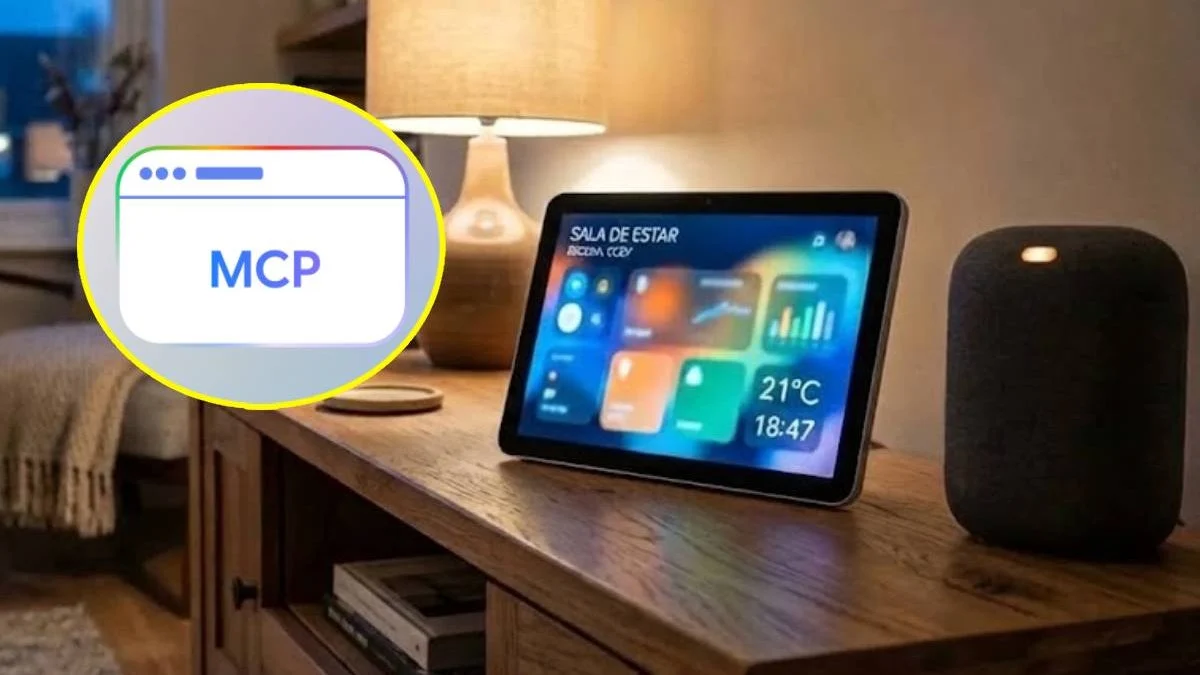
The landscape of the "Smart Home" is undergoing a seismic shift. Google has officially announced the rollout of Home MCP (Model Context Protocol), a groundbreaking initiative that allows third-party Artificial Intelligence agents to interact with, analyze, and control devices within the Google Home ecosystem. This move marks a departure from the "walled garden" approach traditionally favored by major tech conglomerates, signaling a future where users can choose their preferred AI—be it Claude, ChatGPT, or specialized local models—to orchestrate their domestic lives.
Main Facts: What is Home MCP?
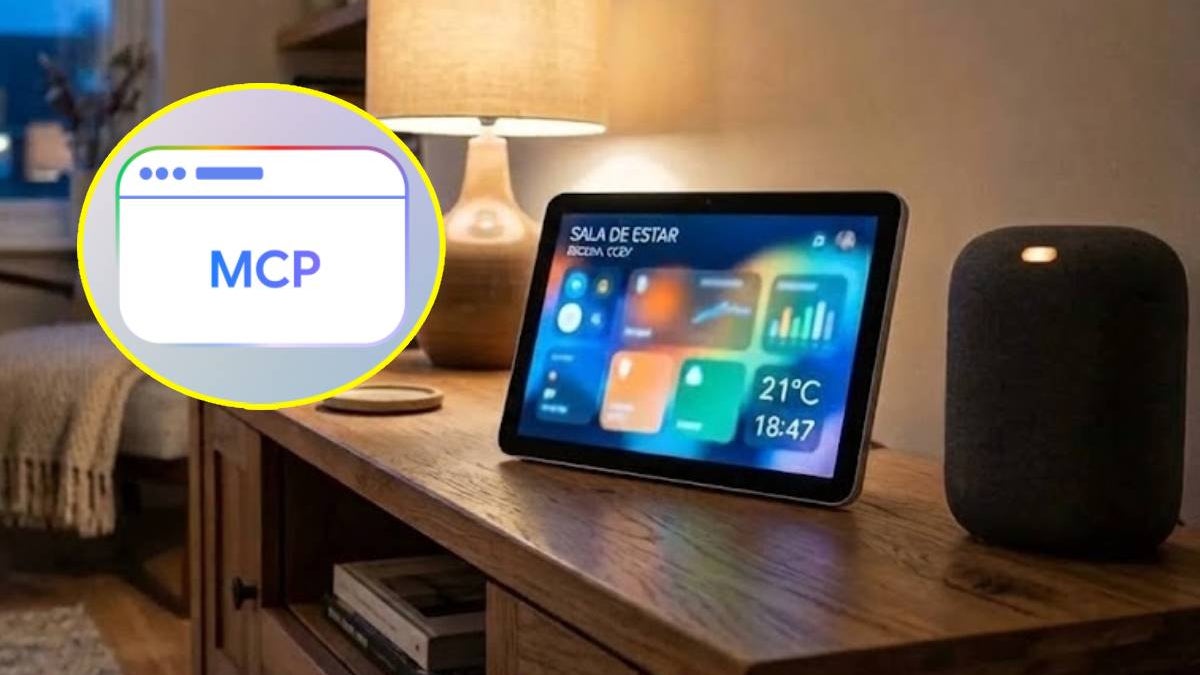
At its core, Home MCP is an implementation of the open-standard Model Context Protocol. It acts as a secure bridge, or "server," that facilitates communication between external AI agents and the vast array of hardware supported by Google Home—from smart thermostats and lighting systems to security cameras and automated locks.
Unlike previous iterations of smart home integration, which relied on rigid, pre-defined voice commands, Home MCP enables agents to understand context. By granting an agent access through this protocol, the AI can perform complex, multi-step tasks. For example, rather than simply turning off a light, an AI agent could analyze historical usage patterns, correlate them with your arrival time, and optimize energy consumption while simultaneously monitoring for "unusual activity" reported by security sensors.
The primary objective is interoperability. Google is effectively inviting developers to build sophisticated "home-management agents" that can leverage the company’s extensive hardware infrastructure while utilizing the reasoning capabilities of advanced Large Language Models (LLMs).
The Chronology: How We Got Here
The journey toward a more open, AI-driven home environment did not happen overnight. The following timeline outlines the strategic progression of Google’s home automation efforts:
- 2016 – The Dawn of Google Home: The release of the original Google Home speaker set the stage for voice-activated living, establishing a proprietary ecosystem that favored the Google Assistant.
- 2023 – The Rise of Generative AI: With the rapid adoption of LLMs like ChatGPT and Claude, the limitations of traditional voice assistants—which often struggled with complex intent—became glaringly obvious to both developers and consumers.
- Early 2024 – The Search for Standards: Industry leaders, including OpenAI, Anthropic, and Google, began formalizing discussions around an AI regulatory and integration framework, realizing that disjointed ecosystems would hinder mass adoption.
- September 2026 – The Launch of Home MCP: Google officially introduced the Home MCP protocol, signaling a shift toward allowing third-party AI to interface directly with hardware, moving beyond simple API triggers to deep, contextual integration.
Supporting Data and Technical Architecture
To understand the scale of this deployment, one must look at the technical requirements and the data flow involved. Home MCP is not a plug-and-play feature for the casual user; it is designed for a more technically proficient tier of users who demand granular control.
The Setup Process
Integration is facilitated through Google Cloud. Users are required to:
- Initialize a Google Cloud Project: This creates a sandboxed environment where the interaction between the third-party agent and the local hardware is logged.
- Enable the Home MCP Server: Within the Google Home console, users must manually toggle the MCP interface to allow incoming connections.
- Authentication: Users must link their chosen AI agent (e.g., Antigravity, Open Claw, or Claude) to their account, granting specific scopes of permission. This is governed by OAuth, ensuring that the user retains the ability to revoke access at any time.
The Financial Barrier
As of the current rollout, access is restricted to Google Home Premium Advanced subscribers in the United States. Priced at a minimum of $20 per month, this tier includes not only the Home MCP functionality but also extended video history and advanced AI-driven security alerts. This pricing strategy suggests that Google is positioning the "AI-managed home" as a premium service, targeting users who view their smart home as a professional-grade asset rather than a convenience gadget.
Implications: The Potential and the Perils
The integration of external AI into the intimate space of the home brings with it profound implications for privacy, security, and user experience.
The Upside: True Automation
The promise of Home MCP is the transition from "Smart Home" to "Intelligent Home." An intelligent agent can synthesize data from multiple sources: the thermostat knows you are cold, the calendar knows you are in a meeting, and the light sensor knows the sun has set. An AI agent using MCP can harmonize these data points to create a living environment that anticipates needs without explicit instructions.

The Risks: "Unexpected Behaviors"
Google’s documentation is notably transparent regarding the risks, explicitly warning users about the potential for "unexpected or unwanted behaviors." Because third-party agents are trained on external datasets and run on external logic, they may interpret a user’s intent in ways that conflict with safety protocols.
For instance, an AI agent might mistakenly interpret a "party mode" command as a request to turn off all security cameras, or it might struggle with the nuances of a family’s shared device preferences. Consequently, Google urges users to read the specific privacy policies of every third-party agent before granting it control over their home.
Official Responses and Strategic Positioning
Industry analysts have noted that Home MCP is a strategic move to prevent the "fragmentation" of the smart home market. By providing a standardized protocol, Google ensures that it remains the central "hub" for home hardware, even if users choose to use a non-Google AI to interact with that hardware.
Gemini for Home vs. Home MCP
One of the most frequent questions from consumers is whether this update renders Gemini for Home obsolete. Google has clarified that Home MCP does not replace Gemini. Instead, it functions as an additional, optional layer. Gemini for Home remains the default, native assistant integrated into the Google Home app, optimized for general-purpose tasks and system-level maintenance. Home MCP, by contrast, is a gateway for power users who want to experiment with different, specialized AI agents that offer different "personalities" or reasoning capabilities.
Future Outlook: A Standardized Ecosystem
The move toward an open protocol like MCP suggests that the smart home industry is reaching a maturity point similar to the early internet. Just as browsers became the universal interface for the web, regardless of the server hosting the content, MCP-enabled hardware is becoming the universal interface for AI agents.

As this technology matures, we can expect to see:
- Specialized Agents: We may soon see AI agents specifically designed for energy efficiency, elder care, or even automated home security auditing.
- Security Audits: As the risk of "AI hallucinations" in a physical environment persists, third-party developers will likely be required to undergo "behavioral certification" to ensure their agents adhere to strict safety guidelines.
- Cross-Platform Adoption: If successful in the U.S. market, Google is expected to expand Home MCP to other regions, potentially setting a global standard for how AI interacts with physical infrastructure.
Conclusion
The launch of Home MCP represents a bold experiment in the democratization of the smart home. By allowing users to delegate control of their living spaces to the AI of their choice, Google is placing a significant bet on the future of generative intelligence. However, as the boundaries between digital logic and physical reality blur, the responsibility falls on both the tech giant and the end-user to navigate the delicate balance between convenience and security.
For now, the technology remains in its early stages—a sophisticated tool for the tech-savvy, a subscription-gated feature for the security-conscious, and a glimpse into a world where your home is not just connected, but truly, intelligently responsive.