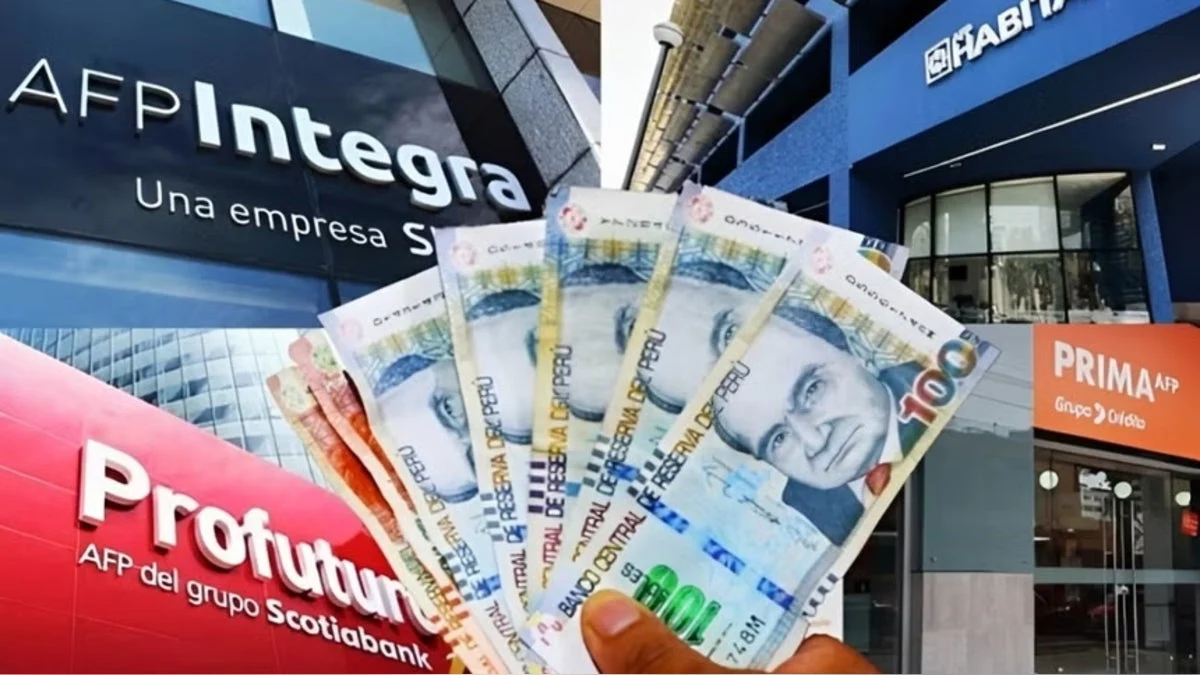
The Peruvian pension landscape is set for a significant transformation as the Superintendencia de Banca, Seguros y AFP (SBS) has officially authorized a new opportunity for over 1.8 million affiliates of the Private Pension System (SPP) to transition their fee structures. This regulatory move marks a critical juncture for millions of workers who currently pay commissions based on their monthly salaries, offering them the choice to shift toward a model based on the total balance of their pension funds.
As the financial sector prepares for a broader modernization of the retirement system, including the entry of new competitors in 2027, this administrative adjustment aims to provide greater transparency and flexibility for long-term savers.
The Core Mandate: Understanding the Migration
The SBS has issued a formal directive allowing participants currently under the "flow-based" commission model—where a percentage is deducted from the monthly paycheck—to migrate to a "balance-based" commission model. This decision is voluntary and is intended to offer affiliates more control over how their service fees are assessed relative to their accumulated wealth.
Crucially, the regulator has emphasized that this transition is not a retroactive change that affects existing savings. The new balance-based fee will apply exclusively to future contributions made after the implementation date, as well as the profitability generated by those specific new funds. Any capital saved prior to the effective date of the migration, along with its associated interest, will remain "unaffected" by the new fee structure.
Chronology: Key Dates for Affiliates
The process of restructuring how fees are charged is not instantaneous. To ensure market stability and give contributors ample time to evaluate their financial situation, the SBS has established a strict calendar:
- December 14, 2026 – May 14, 2027: This five-month window constitutes the official period for voluntary election. Affiliates must actively express their preference during this timeframe.
- The Default Rule: In a move to prevent administrative paralysis, the SBS has clarified that any affiliate who does not express a decision by May 14, 2027, will automatically remain in the current commission-on-remuneration scheme.
- June 2027: This marks the official commencement of the new, progressive fee application for those who opt for the change.
- The Seven-Year Transition: The shift will not be a sudden jump. Instead, the system will utilize a "mixed commission" model for a period of seven years, during which the fee on salary will be gradually phased out while the fee on the balance is scaled up.
Supporting Data and the "Mixed Commission" Mechanism
To understand the implications of this shift, one must analyze the "mixed commission" transition. During the seven-year implementation period, the fee paid by the affiliate will be a hybrid. The component based on the monthly salary will decrease incrementally year over year until it reaches zero. Simultaneously, the portion based on the total fund balance will become the primary mechanism for compensating the Pension Fund Administrators (AFPs).
The necessity for this long transition period stems from the need to protect the solvency of the AFPs while preventing a sudden, drastic change in the net take-home pay of the workers. By staggering the change, the SBS aims to align the interests of the administrators with the long-term growth of the contributors’ funds.
Implications for the Peruvian Pension System
This reform arrives at a time of deep structural change within the Peruvian financial sector. The integration of new players into the market, coupled with the potential for banks to absorb AFPs within the same financial groups, suggests that the market is becoming increasingly competitive.
1. Increased Transparency and Competition
The requirement for AFPs to provide comprehensive, neutral, and non-inductive information is a cornerstone of this regulation. Companies are mandated to implement educational campaigns that clearly outline the trade-offs between the two models. This forces the AFPs to justify their value proposition not just through their investment performance, but through their administrative efficiency and fee transparency.
2. The Role of Technology: The Personalized Simulator
Starting December 14, 2026, every AFP must provide a personalized online simulator. This tool is designed to move beyond theoretical arguments and provide concrete data to the user. By inputting their personal salary data, age, and contribution history, users will be able to see:
- Projected total costs under the current flow-based model.
- Projected costs under the balance-based model.
- The impact on their final projected retirement fund.
The SBS has been clear: this tool must be "non-inductive," meaning it cannot be designed to push the user toward one specific choice. It must present the facts objectively so that the individual can weigh the benefits based on their personal financial goals.
3. Irreversibility: The "Point of No Return"
A critical implication that every affiliate must understand is the irreversibility of the choice. Once an affiliate formally chooses to migrate to the balance-based commission, they cannot return to the remuneration-based scheme. This "point of no return" necessitates careful deliberation and, potentially, consultation with financial advisors, given that the choice will define their relationship with the pension system for the remainder of their working life.
Official Stance and Market Response
The SBS, as the primary regulator, maintains that this initiative is part of a broader commitment to modernize the Private Pension System (SPP) in line with the mandates established by Law 32123. The law, which also opens the door for new types of entities to participate in pension management, seeks to reduce the historical friction between affiliates and their administrators.
Industry analysts note that while some AFPs may prefer the stability of the current flow-based model—which guarantees consistent revenue regardless of market volatility—the push toward balance-based fees aligns the incentives of the AFPs more closely with those of the affiliates. When an administrator earns a fee based on the total balance, their revenue is directly tied to the growth of the fund. If the fund grows through effective investment strategies, the administrator’s fee grows as well. Conversely, if the fund stagnates, the fee reflects that reality.
Preparing for the 2027 Horizon
As the 2027 deadline approaches, the pension system is effectively being remodeled. With three new competitors expected to enter the market and the current players adjusting their internal operations, the year 2027 will be a watershed moment for retirement savings in Peru.
For the 1.8 million affected affiliates, the months leading up to December 2026 should be used to educate themselves. The complexity of comparing a fee on a current salary versus a fee on a future, unknown balance requires a long-term view. Those who are early in their careers may find different incentives compared to those nearing retirement.
Conclusion: A Shift Toward Informed Responsibility
The SBS initiative is more than a simple change in accounting; it is a move toward empowering the consumer. By offering a transition period and requiring robust, transparent, and personalized data, the regulator is placing the responsibility of choice in the hands of the workers.
As the date for the migration window approaches, the focus for both the regulators and the public will remain on the clarity of communication. The success of this transition will depend heavily on whether the AFPs can provide the necessary clarity for the average worker to make an informed decision that will ultimately affect their financial well-being in their golden years. With the financial landscape of Peru shifting, this reform represents a necessary, albeit complex, step toward a more mature and responsive pension system.