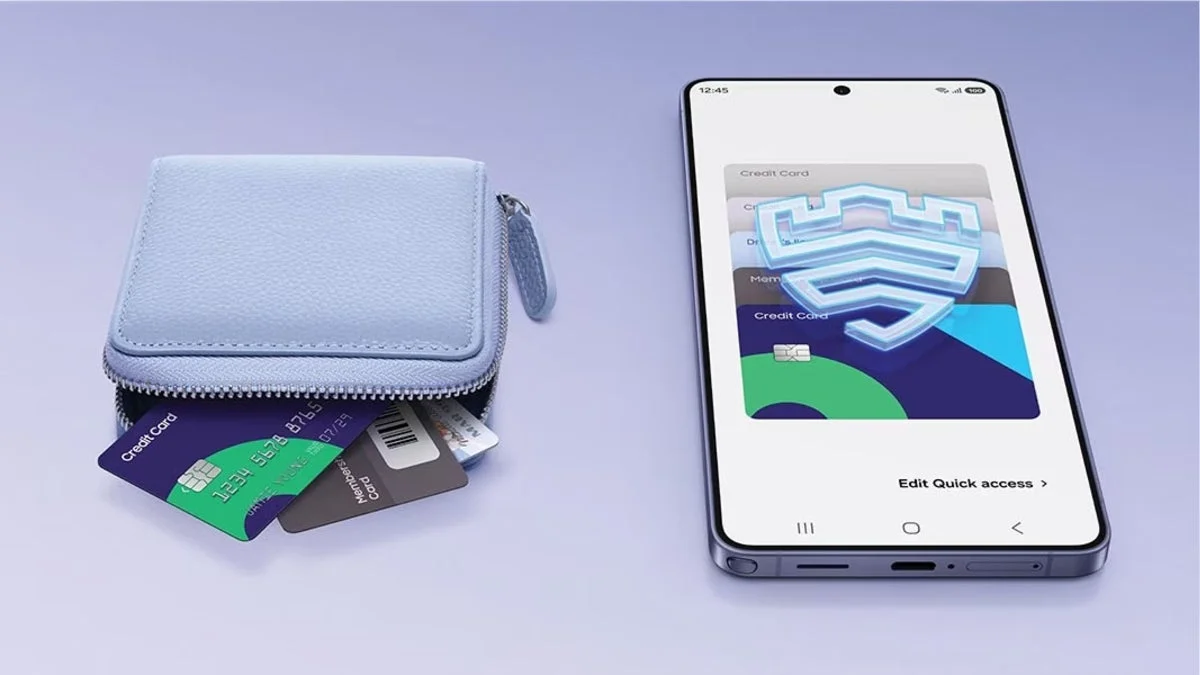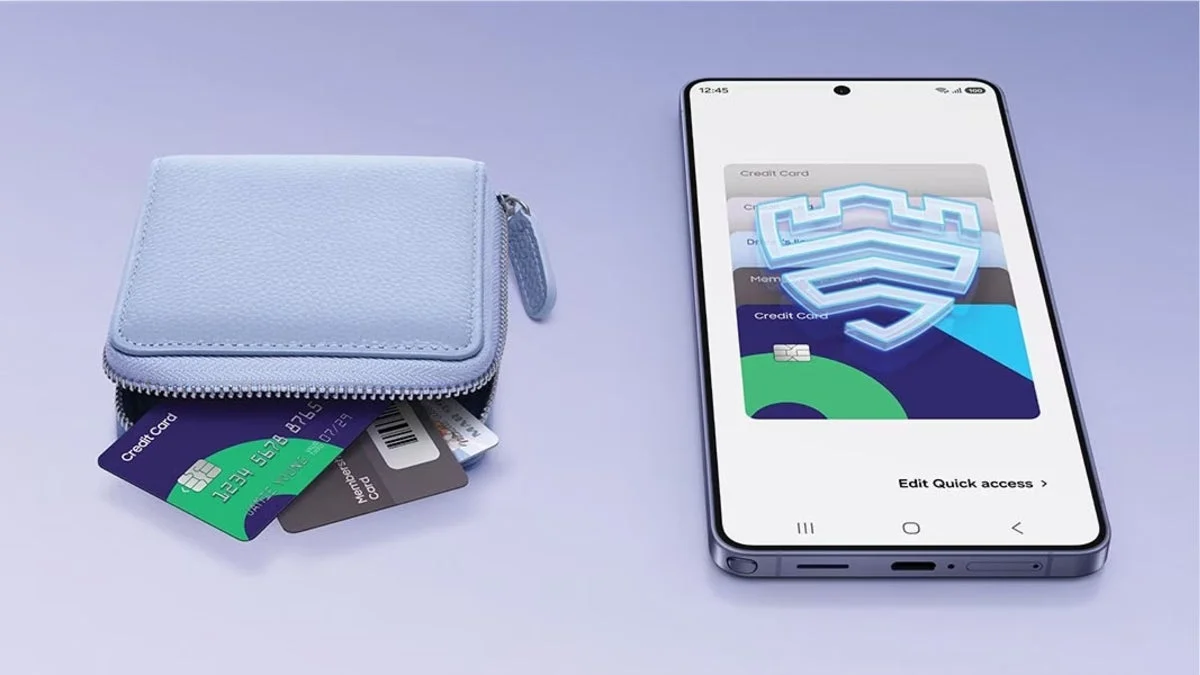
The digital transformation of the Peruvian financial landscape reached a significant milestone this week as Samsung officially inaugurated the deployment of Samsung Wallet in the country. This move signals a definitive shift toward a "cashless" society, allowing users of compatible Samsung Galaxy smartphones to replace their physical wallets with a highly secure, integrated digital solution. By merging payment capabilities, digital credentials, and advanced security protocols into a single interface, Samsung aims to capture a significant portion of the burgeoning mobile payment market in Latin America.
Main Facts: What is Samsung Wallet?
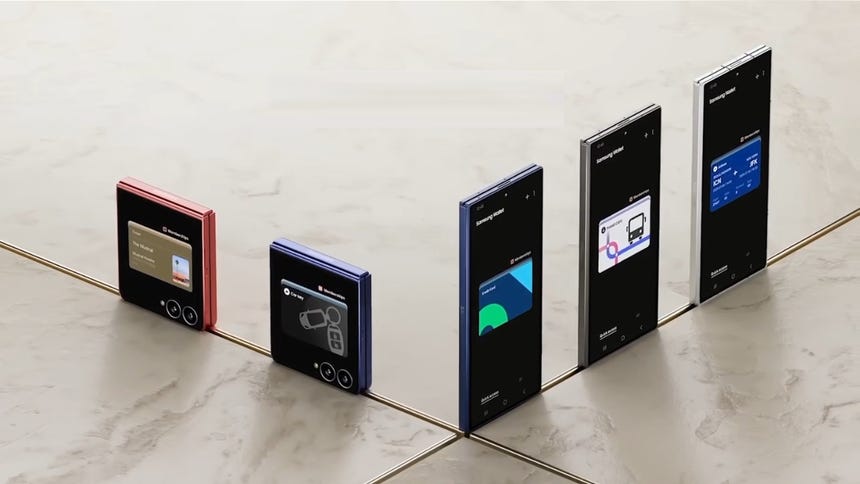
Samsung Wallet is more than just a payment application; it is an all-encompassing digital ecosystem that consolidates various services previously scattered across different apps. Replacing the legacy "Samsung Pass" platform, the new application provides a unified hub for banking cards, digital keys, and, in the future, identification documents and boarding passes.
The core utility of the platform lies in its seamless integration with Near Field Communication (NFC) technology. By utilizing the smartphone’s NFC chip, users can make payments at any point-of-sale (POS) terminal that supports contactless transactions. For the Peruvian consumer, this means the days of fumbling for physical credit or debit cards are numbered. The application is now live and available for download or update through the official Galaxy Store, ensuring that the transition for existing Samsung users is as frictionless as possible.
Chronology: From Concept to Peruvian Implementation
The journey of Samsung Wallet in Peru has been a strategic process of regulatory alignment and partnership building.
- Initial Development: Following the global success of Samsung Pay, the company began evaluating the Peruvian market in early 2023, identifying a high penetration rate of NFC-enabled payment terminals in urban centers like Lima, Arequipa, and Trujillo.
- Beta Testing Phase: Throughout the first half of 2024, Samsung conducted internal trials with select financial institutions to test the stability of tokenization protocols and the "Tap to Enroll" functionality.
- Strategic Alliances: During the third quarter of 2024, Samsung finalized integration agreements with key players in the Peruvian banking sector. These negotiations were essential to ensure that the "tokens" generated by Samsung matched the security standards of local banks.
- Official Launch: October 2026 marks the public rollout, where the app transitioned from a limited test to a nationwide deployment, now accessible to millions of Samsung device owners across the country.
The Technological Leap: ‘Tap to Enroll’
One of the most innovative features accompanying the launch is the ‘Tap to Enroll’ technology. Traditionally, adding a payment card to a digital wallet involved a tedious manual process: typing in the 16-digit card number, the CVV code, and the expiration date, or capturing an image of the card, which often resulted in scanning errors.
‘Tap to Enroll’ revolutionizes this user experience. By utilizing the smartphone’s internal NFC reader, the user simply needs to place their physical contactless card against the back of the device. The phone immediately detects the encrypted data from the card’s EMV chip. This process is not only faster but also inherently more secure, as it bypasses the need for the device’s camera to process sensitive visual information, thereby reducing the risk of data interception or accidental exposure.
Supporting Data: Security and Reliability
The backbone of Samsung Wallet is Samsung Knox, a security platform recognized globally for its "grade-military" standards. In an era where cybersecurity threats are increasingly sophisticated, Samsung has implemented a multi-layered defense mechanism:
- Biometric Authentication: No transaction can be finalized without a secondary layer of proof. Users must authenticate via fingerprint scanning or facial recognition, ensuring that even if a phone is stolen, the attacker cannot access the stored payment information.
- Tokenization: This is the most critical element of the security suite. When a card is added to the wallet, the actual card number is never stored on the device or on Samsung’s servers. Instead, a "token"—a unique digital string of numbers—is generated. If a merchant’s database were to be compromised, the attackers would only gain access to the token, which is useless for any other transaction or location.
- Isolated Environment: Sensitive data is stored in a hardware-based "Secure Element," an isolated environment within the processor that is physically separated from the phone’s operating system, making it nearly impossible for malware to access card details.
Official Responses and Industry Implications
Industry analysts view the launch of Samsung Wallet in Peru as a direct challenge to incumbent payment methods and a catalyst for the broader adoption of mobile wallets in the Andean region.
"Samsung’s entry into the Peruvian market with a fully integrated wallet is a vote of confidence in the country’s digital infrastructure," stated a senior spokesperson from a leading local financial institution during the launch event. "By working with us to ensure that our customers can link their cards with a single tap, we are together lowering the barrier to entry for digital financial services. This is a significant step toward financial inclusion and modernization."
However, the launch also places pressure on smaller retail merchants who have yet to upgrade their POS terminals to accept contactless payments. While major supermarkets and retail chains in Peru are already well-equipped, the "long tail" of small businesses will need to invest in updated hardware to remain competitive in a market that is quickly moving away from magnetic stripe and chip-and-pin transactions.
How to Get Started: A Step-by-Step Guide
For Peruvian users eager to adopt this new technology, the activation process is designed for simplicity:
- Download and Update: Open the Galaxy Store on your Samsung smartphone and ensure the Samsung Wallet application is updated to the latest version.
- Samsung Account: Sign in or create a Samsung account. This is essential for syncing your credentials across different devices.
- Add Your First Card: Within the app, select the "Add" icon (represented by a plus sign).
- Tap to Enroll: Choose the option to add a payment card. When prompted, hold your physical credit or debit card against the back of your phone. The NFC sensor will detect the card and pull the information automatically.
- Verification: Complete the verification process through your bank’s app or via an SMS/email OTP (One-Time Password) code to finalize the link.
- Ready to Pay: Once the card is added, you can pay by simply swiping up from the bottom of your screen, authenticating with your biometrics, and tapping your phone against any contactless payment terminal.
The Future of Digital Wallets in Peru
The deployment of Samsung Wallet is expected to trigger a ripple effect in the Peruvian economy. Beyond just bank cards, the infrastructure supports the storage of boarding passes, digital keys for smart homes, and even loyalty cards. As the ecosystem matures, consumers can expect further integration with public transport systems and government identification services, effectively moving the "wallet" from the pocket to the digital cloud.
As Peru continues its digital evolution, the success of platforms like Samsung Wallet will depend on the continued collaboration between technology giants and local financial regulators. For now, the convenience of leaving the physical wallet behind is a reality for millions of Peruvians, marking a significant victory for mobile-first consumer technology.