Overview: A Strategic Intervention
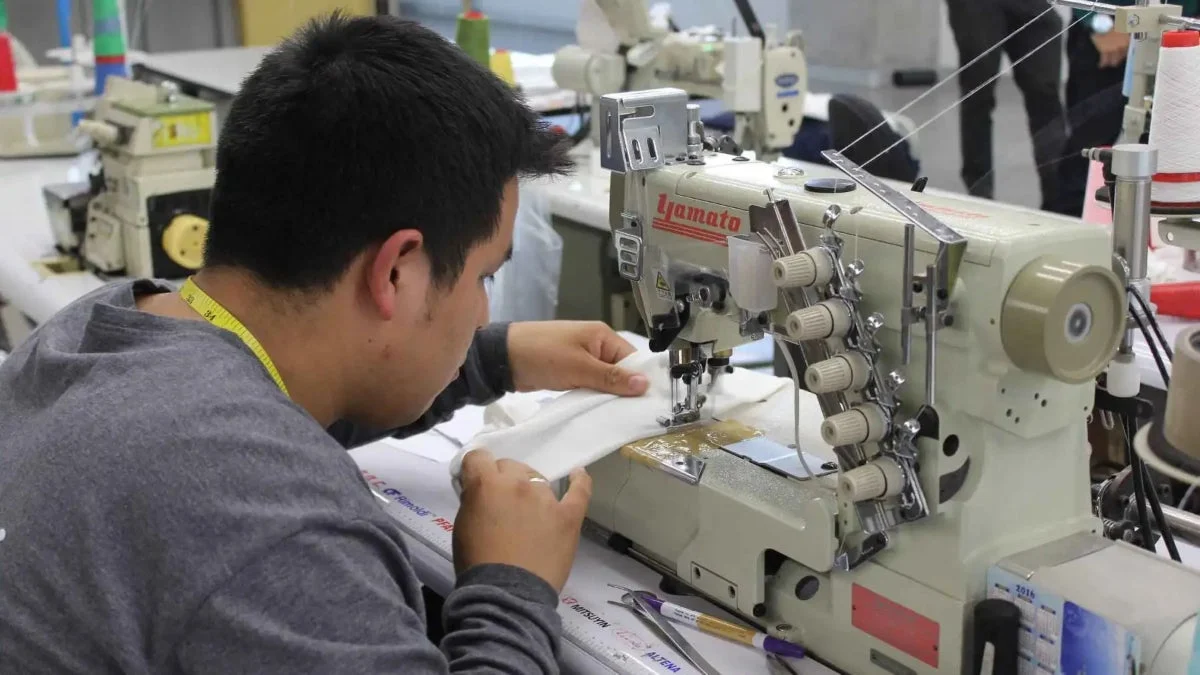
In a decisive move to salvage one of the nation’s most historically significant industrial pillars, the Peruvian government has officially declared a 120-day state of emergency for the national textile and garment sector. The mandate, formalized through Supreme Decree 014-2026-Produce, serves as a formal acknowledgment of the industry’s precarious state. Faced with a persistent loss of productivity, dwindling market competitiveness, and the looming shadow of the El Niño phenomenon, the administration has mobilized a multi-pronged recovery strategy aimed at restoring the sector’s vitality.
The declaration arrives at a critical juncture for Peru’s manufacturing landscape. With the industry grappling with structural stagnation and the threat of climate-driven supply chain disruptions, the government’s intervention is designed not merely as a stop-gap measure, but as a framework for long-term stabilization. The Ministry of Production (Produce) has been tasked with spearheading this transition, with a strict mandate to draft a comprehensive reactivation plan within 15 business days.
The Catalyst: Why Now?
The urgency of this decree is rooted in a dual crisis: a chronic internal decline and an external environmental threat.
1. The Looming Shadow of El Niño
The climate factor cannot be overstated. According to the Multisectoral Commission for the Study of the El Niño Phenomenon (ENFEN), the anomalous warming of the Pacific Ocean is projected to persist well into the autumn of 2027. For the textile industry, this poses a trifecta of risks:
- Logistical Disruptions: Potential damage to transport infrastructure, including roads and ports, threatens to paralyze the distribution of raw materials and finished goods.
- Demand Volatility: Shifting seasonal patterns—often exacerbated by extreme weather—can render production cycles obsolete, leaving manufacturers with unsold inventory.
- Operational Continuity: Flooding and extreme weather events pose direct threats to manufacturing facilities, many of which are located in regions vulnerable to climate-related infrastructure failure.
2. Structural Decline
Beyond climate concerns, the sector has been hemorrhaging value for years. The decree highlights that the industry has suffered a sustained contraction between 2018 and 2025. This was not a sudden collapse, but a slow erosion of the sector’s contribution to the national economy, necessitating a structural rather than a cosmetic policy response.
Chronology of the Crisis: A Decade of Contraction
To understand the necessity of this emergency decree, one must analyze the trajectory of the Peruvian textile industry over the last several years.
- 2018–2022 (The Gradual Decline): The industry began to show signs of fatigue as regional competition intensified and global supply chains shifted. During this period, the sector’s total value added began its descent.
- 2023–2025 (The Sharp Contraction): The situation accelerated. The value added by the sector fell from S/ 5.76 billion to S/ 5.48 billion—a 5% reduction. During this timeframe, the sector’s weight within the national Gross Domestic Product (GDP) shrank from 1.1% to a concerning 0.9%.
- January–July 2026 (The Breaking Point): The first seven months of 2026 served as a catalyst for government action. Data revealed a staggering 9.9% year-on-year drop in production. By mid-2026, factories were operating at a meager 58.4% of their total capacity, a figure that indicates widespread underutilization of machinery and labor.
Supporting Data: The Anatomy of the Industrial Slump
The technical analysis accompanying the decree provides a stark look at the state of the Peruvian textile industry:
| Metric | Historical High (approx.) | Current Status (2026) | Change |
|---|---|---|---|
| Industry Value Added | S/ 5.765 billion | S/ 5.482 billion | -5% |
| Share of National GDP | 1.1% | 0.9% | -18.2% |
| Share of Manufacturing | 8.1% | 7.4% | -8.6% |
| Cotton Production | 100% (Baseline) | 47% | -53% |
| Capacity Utilization | 80%+ | 58.4% | -21.6% |
Perhaps most alarmingly, the domestic production of cotton—the backbone of Peru’s world-renowned fine textiles—has plummeted by 53%. This decline has forced manufacturers to rely on more expensive imported fibers, further eroding profit margins and local agricultural support. Labor productivity has also fallen by 4.6%, suggesting that the sector is struggling not just with market demand, but with operational efficiency and workforce training.
Official Responses and Strategic Pillars
The Ministry of Production has been granted the authority to execute the "Plan for the Reactivation of the Textile and Apparel Sector." This plan rests on four foundational pillars designed to inject capital, skill, and market access into the industry.
1. Strengthening Financial Access
Many micro and small enterprises (MYPES) within the textile sector have been locked out of traditional credit markets due to their perceived risk profile. The government plans to leverage state-backed guarantees and preferential credit lines to ensure these businesses can cover overheads and invest in modern technology.
2. Capacity Building and Competitiveness
The government acknowledges that low productivity is partly a result of outdated technology and skills gaps. The plan includes funding for vocational training, the adoption of sustainable manufacturing practices, and digital transformation workshops for SME owners.
3. Public Procurement Integration
One of the most effective levers available to the state is its own purchasing power. The decree mandates the facilitation of access for smaller firms to government contracts (purchasing uniforms, institutional fabrics, and public sector apparel). By lowering administrative barriers, the government hopes to create a consistent, reliable revenue stream for the smallest players in the industry.
4. Market Diversification and Commercialization
With domestic demand struggling, the plan emphasizes the promotion of Peruvian textiles in international markets. This involves trade missions, branding campaigns focusing on the quality of Peruvian cotton and alpaca, and support for businesses looking to export to emerging markets in Asia and North America.
The General Directorate of Business Development, under the Vice-Ministry of MSMEs and Industry, will be the sole body responsible for monitoring the success of these initiatives. They are expected to produce quarterly reports to ensure transparency and accountability.
Broader Implications: A Test for the Government
The decision to declare an emergency is a high-stakes gamble. By identifying the sector as a strategic national priority, the administration is effectively tethering its economic reputation to the success of this recovery.
Economic Sovereignty vs. Global Markets
Peru has long marketed itself as a high-quality textile hub. However, the sector is increasingly caught between high-end artisan production and the low-cost mass production dominated by Asian manufacturers. This emergency decree aims to carve out a "middle ground" where technology and government support allow Peruvian firms to compete on quality and reliability rather than just price.
Political Context
Critics of the administration have pointed to the timing of the decree, suggesting that it is a response to the current political climate. However, proponents argue that the technical data—specifically the 9.9% drop in production—validates the move as a purely economic necessity. The government maintains that the "glass generation" of politicians—those who avoid bold action for fear of criticism—is not the approach they are taking. They argue that proactive intervention is the only way to prevent a permanent loss of industrial capacity that would be nearly impossible to recover once factories close their doors.
Future Outlook
The success of this 120-day emergency period will be measured by the stabilization of production levels and the number of MSMEs that successfully navigate the transition. If the plan succeeds, it could serve as a blueprint for how the Peruvian government manages other vulnerable manufacturing sectors. If it fails, the country risks further erosion of its industrial base, leading to increased reliance on imports and a permanent loss of skilled jobs in the textile heartlands of Lima and Gamarra.
Ultimately, the state of emergency is a call to action for the private sector to collaborate with the state. The coming months will be a test of whether state-led intervention can successfully overcome the dual headwinds of climate change and market stagnation. The textile industry, a symbol of Peruvian craft and economy, now waits to see if this infusion of policy and resource is enough to weave a new, more resilient future.