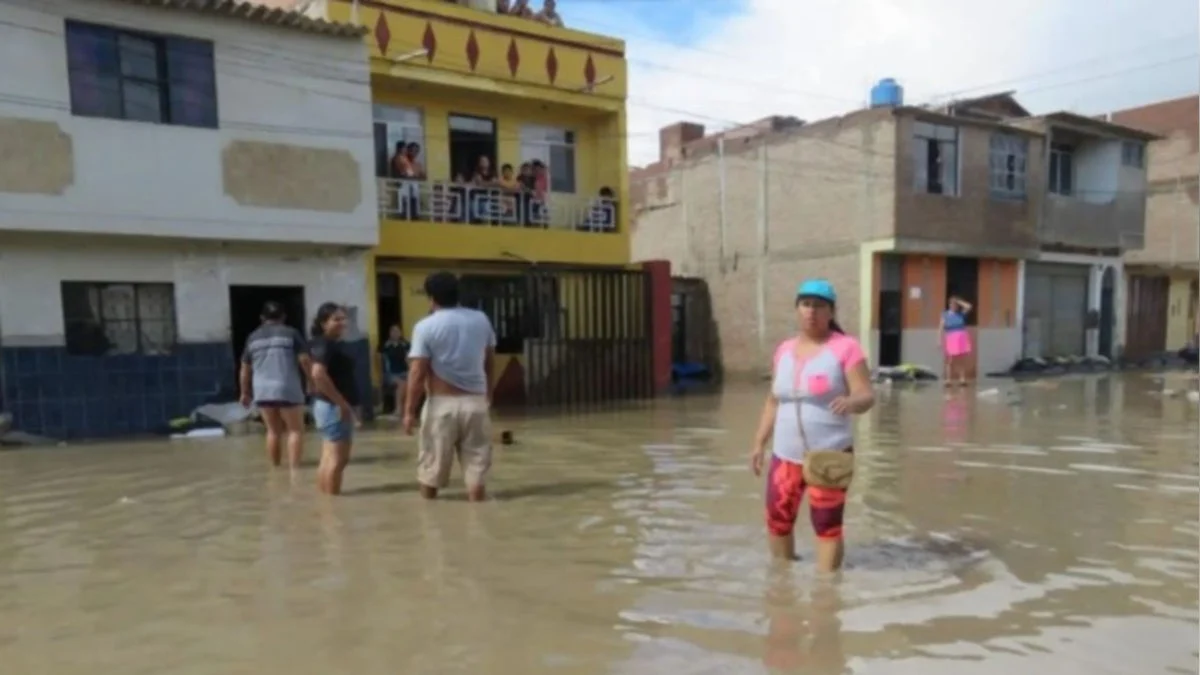
In a landmark display of public-private cooperation, the Peruvian government and the nation’s leading business conglomerates have officially launched a unified command strategy to mitigate the devastating potential of the El Niño phenomenon (FEN). As meteorological forecasts signal a high-risk season, the synergy between state resources and private logistical capabilities marks a shift in disaster risk management, moving from reactive measures to proactive, data-driven coordination.
The Genesis of the Alliance: A Unified Front
The formal agreement was reached during a high-level session of the National Commission for FEN Risk Management. The meeting, which brought together cabinet ministers and representatives from the most influential business chambers, was centered on a single objective: to consolidate the country’s physical, technological, and human capital to safeguard high-risk zones.
The initiative acknowledges that neither the state nor the private sector can effectively address the scale of a major El Niño event in isolation. By integrating the technical expertise of the Ministry of Economy and Finance (MEF) with the agility and operational capacity of the private sector, the government aims to bridge the "implementation gap" that has historically hampered emergency response efforts.
Chronology of the Coordination Strategy
The road to this partnership began with growing concerns over climate volatility and the subsequent economic repercussions observed in previous decades.
- Early Assessment Phase: The government initiated internal risk audits through the National Institute of Civil Defense (INDECI) and the National Water Authority (ANA), identifying key infrastructure vulnerabilities across the coast and highlands.
- Initial Stakeholder Engagement: Following the identification of critical points, the Executive branch initiated a dialogue with major business guilds, including CONFIEP, AGAP, and ASBANC, to discuss resource sharing.
- The Ministerial Summit: The pivotal meeting occurred this week, where ministers—including the heads of Economy, Agriculture, Defense, and Housing—formally institutionalized the collaboration.
- Operational Roadmap: A commitment was made to establish a centralized digital dashboard, allowing real-time monitoring of machinery deployment and operational needs across the country.
Supporting Data: Leveraging Private Sector Assets
A core pillar of this partnership is the mobilization of private assets to complement state equipment. During the session, the private sector presented a detailed inventory of available resources, which includes:
- Machinery and Heavy Equipment: Access to excavators, bulldozers, and loaders currently utilized in mining and construction sectors.
- Logistical Infrastructure: Utilization of private warehouses and cold-storage facilities to house emergency aid and supplies.
- Technical Capacity: Deployment of engineering teams to assist in the rapid reinforcement of critical infrastructure, such as embankments and bridge supports.
- Operational Mobility: Provision of fuel reserves and specialized equipment, such as heavy-duty motobombs, to mitigate flooding in urban centers.
To ensure these resources are managed with maximum efficiency, the Ministry of Housing, Construction, and Sanitation has committed to deploying a unified digital platform. This system will serve as a single source of truth, detailing the exact location, ownership, and fuel requirements of every piece of heavy machinery available, whether owned by the national government, regional administrations, or private corporations.
Official Responses and Ministerial Directives
The government has signaled a willingness to cut through bureaucratic red tape to facilitate this alliance. Minister of Economy and Finance, Elmer Cuba, addressed the private sector’s concerns regarding the regulatory hurdles that often delay emergency interventions.
"We have heard the request to simplify processes, permits, and authorizations for interventions in riverbeds and road networks," Minister Cuba stated. "The government is prepared to fast-track these regulatory changes, but we require a granular analysis from the guilds. We need to see the projected budgets, the timeframes, and the specific operational requirements for each proposed intervention."
This directive places the onus on the private sector to move from broad offers of help to actionable, data-backed project plans. The government has pledged to review these proposals with urgency, treating them as national priorities under the framework of the state of emergency preparations.
The Role of Key Stakeholders
The depth of this alliance is reflected in the diversity of the organizations involved. The meeting was attended by:
- Financial and Institutional Pillars: The Confederation of National Business Institutions (CONFIEP) and the Association of Banks of Peru (ASBANC).
- Productive Sectors: The Association of Agrarian Producer Guilds (AGAP), the National Society of Fisheries (SNP), and the National Society of Mining, Petroleum, and Energy (SNMPE).
- Infrastructure and Construction: The Peruvian Chamber of Construction (CAPECO), the Association for the Promotion of National Infrastructure (AFIN), and the Confederation of Real Estate Developers (CODIP).
- Social Impact Partners: The organization "Hombro a Hombro," which specializes in corporate disaster response, and ComexPerú, representing the interests of foreign trade.
The inclusion of these sectors ensures that the response is not limited to flood control, but also encompasses the preservation of food security, the protection of mineral export logistics, and the stability of the national financial system.
Implications: A Paradigm Shift in Disaster Management
The implications of this public-private alliance are profound. For decades, Peru’s response to El Niño has been characterized by localized, disjointed efforts. By establishing a "Command Center" model, the nation is signaling a maturation of its emergency response strategy.
Economic Implications
By maintaining the operability of critical infrastructure—such as the Pan-American Highway and irrigation canals—the government aims to prevent the inflationary shocks typically associated with El Niño, such as the disruption of food supply chains and the subsequent spike in consumer prices. The involvement of ASBANC and the banking sector suggests that there will also be a coordinated approach to credit relief for businesses impacted by climate events, preventing a wider economic downturn.
Operational Implications
The creation of a real-time tracking dashboard for machinery is perhaps the most significant tactical improvement. In past events, heavy equipment often sat idle in one region while another region faced an acute shortage due to lack of information. This new platform will ensure that a bulldozer, regardless of whether it is owned by a private mining firm or a provincial municipality, is directed to where the risk of overflow or collapse is highest.
Long-term Structural Impact
While this initiative is currently framed as an emergency response to the upcoming El Niño, many analysts view this as a potential template for future governance. If successful, the collaboration could institutionalize a culture of "preventative maintenance" where the state and private sector co-invest in infrastructure resilience, rather than simply responding to the aftermath of catastrophes.
Conclusion: The Road Ahead
The success of this initiative will ultimately be measured by its execution in the field. The commitment from the government to streamline regulatory hurdles, combined with the mobilization of private assets, provides a robust foundation for resilience. However, the next phase—the submission and approval of specific intervention plans—will be the true test of this partnership.
As the government prepares for the climatic challenges ahead, the alignment between the public interest and private sector efficiency stands as a testament to the country’s determination to overcome the threats posed by the El Niño phenomenon. For a nation that has historically borne the brunt of extreme weather, this unified command represents a crucial step toward a more secure and resilient future.