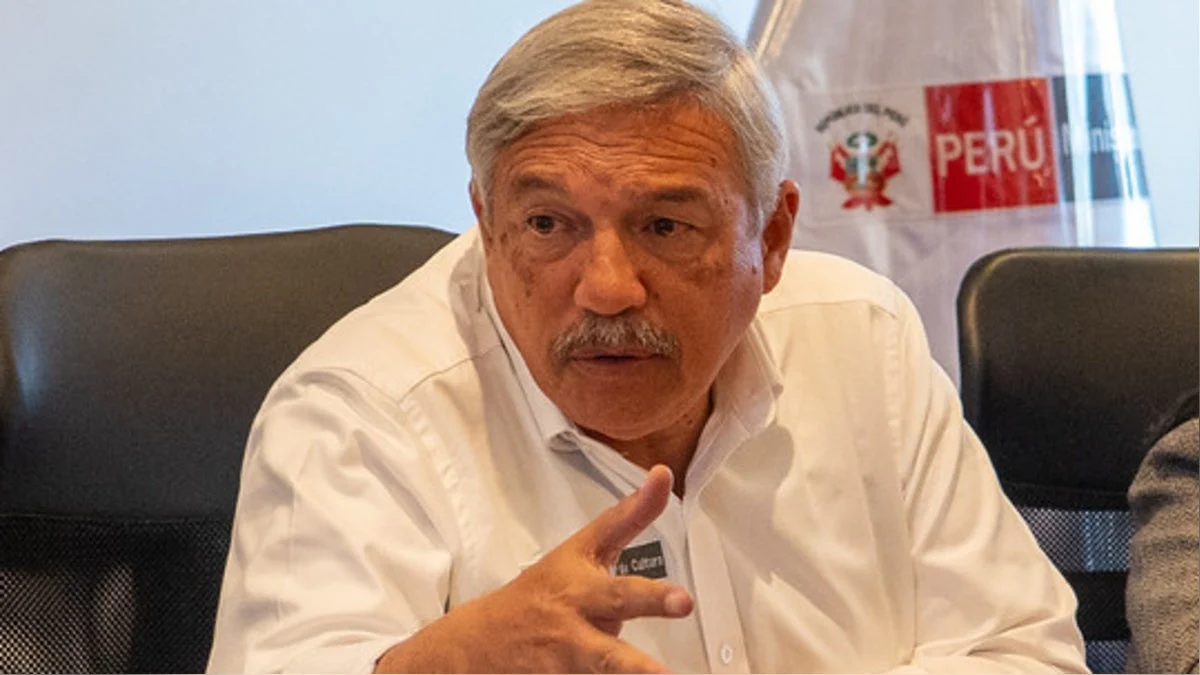
In a significant political and cultural development, the Peruvian government has signaled the imminent end of the controversial Law 32645, which established the "Professional College of Artists of Peru." Minister of Culture Alberto Beingolea announced in a recent press conference that his sector is currently drafting the technical justifications required to support the total derogation of the statute. This move comes amid a chorus of disapproval from artists, guilds, and civil society organizations who argue that the law poses an existential threat to the constitutional right to freedom of artistic expression.
The Core Conflict: Regulation vs. Creative Liberty
The controversy centers on the fundamental nature of art itself. Law 32645, promulgated on June 13, 2024, sought to create a formal professional body that would govern the practice of various artistic disciplines, including visual arts, music, dance, and performing arts. Proponents, led by former congressman Segundo Montalvo, argued that such a body would provide professional structure and recognition for artists.
However, the backlash was immediate and widespread. Opponents maintain that the state has no business placing bureaucratic hurdles in front of creative processes. The central argument against the law is that requiring a university or institute degree—and subsequent mandatory colegiatura (professional registration)—to practice art is not only discriminatory but inherently unconstitutional. The prevailing sentiment among the creative community is that art is an organic expression of the human condition, which should never be subject to state-sanctioned gatekeeping.
Chronology of a Failed Policy
The timeline of Law 32645 reflects a disconnect between legislative intent and the reality of the cultural sector:
- April 2024: The Congress of the Republic approves the bill, intending to standardize professional status within the arts.
- June 13, 2024: The law is officially promulgated, sparking immediate concern among major cultural institutions and independent creators.
- Late June – Early July 2024: A wave of criticism erupts, with guilds arguing that the law would impose "taxation without representation" and restrict the ability of self-taught artists to work.
- July 2024: The "Buen Gobierno" caucus in the Chamber of Deputies introduces a legislative bill to repeal the law.
- Present Day: Minister Alberto Beingolea publicly commits the Ministry of Culture to providing the necessary technical and legal support to ensure the law is struck down, predicting a unanimous vote in the bicameral Congress.
Official Stance: The Ministry of Culture’s Pivot
Minister Alberto Beingolea has been unequivocal in his opposition to the regulation. During his recent address, he underscored that the Ministry of Culture is not merely a bystander but an active participant in the repeal process.
"For any law of this magnitude, the opinion of the sector is required," Beingolea stated. "I can already tell you what that opinion will be: ‘Yes, it must be repealed.’ We are currently preparing the comprehensive legal argument to support this position."
Beingolea’s stance is part of a broader shift in his administration’s cultural policy. Since taking office, the Minister has repeatedly emphasized that the "privileges" of previous administrations in the cultural sector are over, advocating for a more open and inclusive approach to arts funding and management. He noted that in his discussions with legislators across the political spectrum, there is a clear consensus that the law is a legislative error. "This law has its days numbered," he affirmed. "It will be repealed very soon."
The Voice of the Industry: APDAYC’s Resolute Rejection
The Peruvian Association of Authors and Composers (APDAYC), which represents over 10,000 creators, has been one of the most vocal critics of the legislation. In a formal statement, the organization dismantled the logic behind the "Professional College of Artists," asserting that the state cannot condition creativity on formal institutional requirements.
"Art is born of freedom," the APDAYC statement read. "Creative expression is inherent to the human being and does not require authorizations to exist. Creativity cannot be conditioned by formal requirements or mechanisms that limit the freedom of creation."
The association’s argument rests on the Peruvian Constitution, which protects the right to free creation. They warn that the existence of such a "College" would inevitably lead to exclusion, where artists without formal academic titles—even those with decades of successful careers—could be prevented from working or accessing state-sponsored opportunities. This, they argue, is a form of structural discrimination that would hollow out the diversity of the Peruvian arts scene.
Implications: Why the Repeal Matters
The push to repeal Law 32645 is not merely a bureaucratic cleanup; it represents a philosophical battle regarding the state’s role in culture.
1. Protection of the "Self-Taught" Tradition
Many of Peru’s most influential artists, particularly in folk, indigenous, and traditional music, learn their crafts through apprenticeships, community transmission, or autodidactic study rather than formal academic institutions. A law requiring a professional degree would effectively marginalize these artists, creating a two-tier system that favors urban, elite-educated creators over traditional practitioners.
2. Legal Precedent and Constitutional Integrity
The repeal reinforces the principle that artistic activity is a fundamental right. By striking down the law, the Congress is essentially acknowledging that the state’s role in the arts should be one of support and promotion, rather than regulation and licensing. It prevents the creation of a "professional monopoly" that could theoretically control the industry through administrative sanctions.
3. Political Cohesion
The predicted "unanimity" in Congress suggests a rare moment of cross-party agreement. It highlights that the legislative attempt to "formalize" the arts was poorly received even by those who often disagree on other economic and social policies. It serves as a reminder to legislators that the cultural sector, while often fragmented, remains a powerful and vigilant voice in the national discourse.
Conclusion: A Future Without Barriers
As the Ministry of Culture prepares its technical dossier, the message to the artistic community is one of relief. The debate surrounding Law 32645 has served as a catalyst for a national conversation about what it means to be an "artist" in the 21st century.
The impending repeal serves as a safeguard for the future of Peruvian culture. By removing the threat of the Professional College, the government is signaling that it understands the intrinsic value of unfettered creativity. In a country as culturally rich and diverse as Peru, the strength of the arts lies not in titles, registrations, or professional boards, but in the freedom of its citizens to imagine, perform, and create without fear of being silenced by the very institutions meant to represent them.
As Minister Beingolea prepares to finalize the legal arguments for the repeal, the arts community remains optimistic that the "days numbered" for this law will soon reach zero, allowing artists to return to their true work: the limitless expression of the human spirit.