
A new, comprehensive study conducted by the Lima Chamber of Commerce (CCL) with the support of the European Union has shattered the prevailing narrative surrounding Peru’s youth unemployment crisis. For years, young people between the ages of 18 and 29 who are neither in employment, education, nor training—popularly known as "ninis"—have been stigmatized as a generation lacking motivation or the desire to work.
However, this investigation, which analyzed the lives of over 1,300 young people across eight different regions of Peru, suggests that the reality is far more complex and, in many ways, more systemic. The study reveals that the issue is not a lack of willingness to participate in the economy, but rather a profound structural failure in how the labor market engages with vulnerable youth.
The Core Findings: Debunking the Laziness Myth
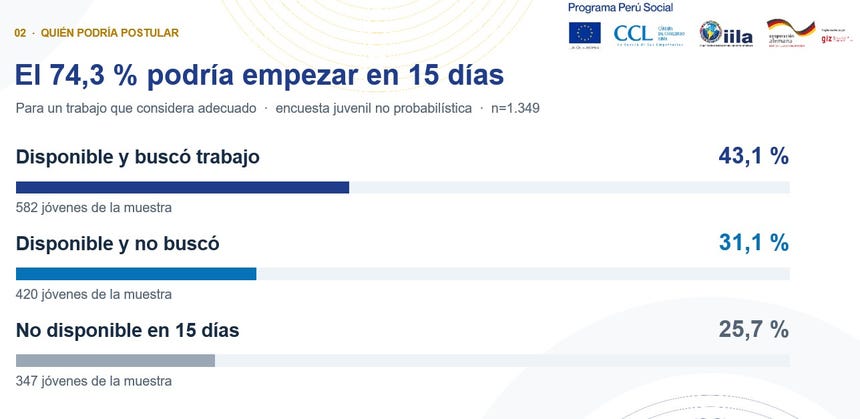
The most striking revelation of the study is the high level of "employability" among this vulnerable demographic. According to the research, 73 out of every 100 young people who are currently unemployed and not in school would be ready and available to start working within 15 days.
Aristides Vara, the lead researcher behind the study, emphasizes that these individuals are far from being "unemployable." On the contrary, the research found that a significant portion possesses basic formal education, and nearly half have some degree of partial higher education. Moreover, most have previous—albeit informal—work experience and a genuine, documented disposition to contribute to the economy.

"We went into the most extreme situations to see if these young people were employable," Vara explained in an interview. "We found that they are. They have the training, they have the experience, and they have the willingness. The disconnect is not in their attitude; it is in the bridge between them and the formal corporate world."
Chronology of Disenchantment: How "Ninis" are Created
To understand how a capable young person transitions from an active participant to someone who stops searching for work, the researchers mapped the trajectory of the youth labor experience.
1. The Informal Trap
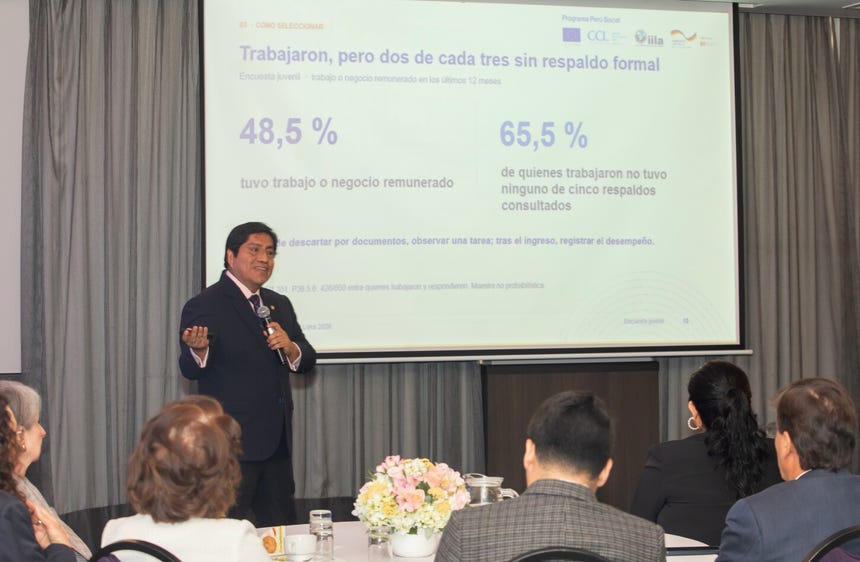
The cycle often begins in the informal sector. Because these young people lack access to formal networking channels or traditional recruitment platforms, they gravitate toward informal labor. In this space, they gain experience, but they do so without contracts, certificates, or formal recognition. Consequently, when they attempt to transition to the formal market, they have no "verifiable" proof of their skills, making them invisible to HR departments that rely heavily on formal resumes.
2. The Cycle of Labor Victimization
The research highlights a disturbing phenomenon that the authors call "labor victimization." Many of the young people surveyed had endured a series of traumatic experiences in the workforce: late payments, wage theft, physical or verbal abuse, and professional humiliation.
3. The "Churning" Effect
This history of mistreatment leads to "churning"—a cycle of entering and leaving jobs frequently due to toxic environments. When these young workers eventually secure a formal job, they often feel isolated or out of place due to cultural barriers, leading them to quit.
4. The Final Disengagement
By the time a young person reaches the point of being a "nini," they are often not choosing idleness. They are choosing self-preservation. As the study notes, 31% of the group is available to work but is no longer actively looking. They have reached a point of such profound distrust in the labor market that they prefer not to expose themselves to further humiliation.
Supporting Data: The Disconnect in Recruitment
The study also turned the lens toward the corporate sector, identifying clear systemic flaws in how companies seek and select their employees.
- Reliance on Informal Networks: 66% of the companies surveyed admitted that they rely on personal contacts and recommendations to fill vacancies. This practice inherently excludes youth from vulnerable backgrounds who lack "insider" social capital.
- The Resume Barrier: 63% of companies weigh formal experience as the primary factor in hiring, effectively barring those whose work history is informal or undocumented.
- Neglect of Public Channels: Only 5.8% of companies utilize public employment services, which are the primary gateways for the demographic the study focused on.
- The Practicality Gap: Only 35% of companies incorporate practical skills testing into their recruitment process, which would be a far more effective way to evaluate a candidate’s true potential than a sparse CV.
The Path Forward: Restoring Trust and Changing Hiring Paradigms
The implications of this research are clear: to solve the "nini" crisis, the focus must shift from "motivating the youth" to "rehabilitating the relationship" between employers and young workers.
Redefining the Interview Process
Some progressive companies, as highlighted by the study, are already beginning to dismantle the traditional hiring model. They are moving away from resume-heavy screenings and toward performance-based evaluations. By giving candidates a task to perform, companies can assess both technical competence and soft skills—such as how a candidate reacts to supervision—without penalizing them for a lack of formal experience.
The Power of Mentorship
Perhaps the most effective tool identified in the research is the use of "on-the-job tutors" or supervisors during the first month of employment. This intervention acts as a buffer against the "cultural shock" that many young people from vulnerable backgrounds experience when entering a formal, high-pressure work environment. By providing a mentor, companies significantly increase the retention rate of these employees.
Official Implications and Economic Impact
The findings present a significant challenge to policymakers and business leaders in Peru. If 73% of the most vulnerable youth are ready to work, the potential for economic growth through the inclusion of this labor force is immense.
However, the "regeneration of trust," as Vara calls it, requires a multi-stakeholder approach. It requires the business sector to move beyond the traditional "CV-first" mentality and adopt more inclusive hiring practices. It also requires the state to strengthen the role of public employment offices to act as credible intermediaries, replacing the informal, often exploitative channels that currently dominate the market.

Ultimately, the study serves as a wake-up call. The label "nini" is a social construct that has allowed society to ignore the structural failures of the labor market. By labeling these young people as "unwilling," we have avoided the harder work of fixing the systemic abuses, the lack of support, and the exclusionary recruitment processes that keep talented, capable youth on the sidelines.
As the Lima Chamber of Commerce and the European Union move forward with these findings, the message is clear: if the industry changes its approach, the youth will follow. The problem is not the workers; the problem is the system that has failed to provide them with a fair, safe, and transparent place to start their professional journeys. The era of blaming the youth must end; the era of systemic reform must begin.